

The Archbishop of Canterbury has issued a formal apology for the Church of England’s historical involvement in forced adoptions, a practice that saw tens of thousands of babies separated from their unmarried mothers between the 1950s and 1980s in England and Wales. This apology marks a significant moment of reckoning for the institution, acknowledging the profound and lasting pain inflicted upon countless families.
The widespread practice, often referred to as the “baby scoop era,” involved the systematic removal of infants from single mothers, who were frequently young women and girls. These mothers were often pressured or coerced into giving up their children for adoption, with institutions, including those affiliated with the Church of England, playing a role in facilitating these separations. Information reaching Tahir Rihat suggests that the apology comes after years of advocacy from survivors and their families, who have sought recognition and redress for the trauma they endured. The scale of the issue, affecting an estimated 180,000 children in Britain, underscores the systemic nature of these forced adoptions.
The Archbishop, Justin Welby, expressed deep regret for the suffering caused, stating that the Church of England was part of a society that had inflicted such harm. He acknowledged that the institution had not always been a place of comfort and support for those who needed it most. The apology is seen as a crucial step towards healing and reconciliation for those who were affected by these practices. Many of these mothers were stigmatized and ostracized by society, often facing immense pressure from both family and religious authorities to give up their children. The children, too, often grew up with unanswered questions about their origins and a sense of loss.
The historical context of these forced adoptions is rooted in a period when illegitimacy carried a heavy social stigma. Unmarried mothers were often seen as a moral failing, and the prevailing societal attitude was that adoption was in the best interests of the child, regardless of the mother’s wishes. Religious institutions, including the Church of England, were deeply embedded in the social fabric of the time and often acted as intermediaries in these adoption processes. The methods used to persuade mothers to relinquish their children varied, but often involved emotional manipulation, threats of social exclusion, and a lack of accessible support systems for single parents. The secrecy surrounding these adoptions further compounded the trauma, with many mothers never knowing the fate of their children, and many adopted individuals struggling to trace their biological families.
The apology from the Archbishop of Canterbury is not merely a symbolic gesture; it is an acknowledgment of institutional responsibility and a commitment to learning from past mistakes. The Church has indicated a willingness to engage further with survivors and to explore ways in which it can offer support and contribute to restorative justice. This may include facilitating access to records, providing counseling services, or supporting initiatives that help reunited families. The long-term impact of these forced separations has been well-documented, with survivors often reporting feelings of abandonment, identity issues, and complex grief. The apology aims to validate these experiences and to begin the process of addressing the ongoing consequences.
The legacy of forced adoptions continues to affect individuals and families across the United Kingdom. Many survivors have spoken out about the profound emotional and psychological scars left by these separations. The lack of information about their birth parents, the secrecy surrounding their origins, and the often-difficult circumstances of their upbringing have had a lasting impact. The Church of England’s apology is a response to these persistent calls for acknowledgment and accountability. It reflects a broader societal shift in understanding the rights and experiences of mothers and children, moving away from the punitive attitudes of the past towards a more compassionate and rights-based approach. The apology is expected to encourage other institutions that may have been involved in similar practices to also examine their historical roles and to consider similar gestures of reconciliation.
The process of forced adoption was often characterized by a lack of informed consent from the mothers. They were frequently young, vulnerable, and lacked the resources or support to keep their children. Social workers and religious figures often played a significant role in advising or pressuring these mothers to place their babies for adoption, framing it as the only responsible course of action. The children, meanwhile, were often placed with couples who were unable to conceive, in a system that prioritized the needs of infertile couples over the rights of the birth mothers and their children. The secrecy that shrouded these adoptions meant that for decades, many individuals lived with the pain of not knowing their origins, while their birth mothers often carried the burden of unspoken grief and regret. The societal norms of the time, which strongly condemned single parenthood, created an environment where such practices could flourish with little public scrutiny or challenge.
The apology from Archbishop Welby is a significant step, but the journey towards full reconciliation is ongoing. Survivors and their advocates emphasize the need for concrete actions to follow the words of regret. This includes ensuring that all individuals affected by forced adoptions have access to their birth records and the support necessary to navigate the complexities of tracing their families. The Church of England’s commitment to working with survivors and to addressing the ongoing impact of these historical injustices will be crucial in demonstrating the sincerity of its apology. The hope is that this acknowledgment will not only bring comfort to those who have suffered but also serve as a powerful reminder of the importance of protecting the rights and well-being of families in all circumstances.

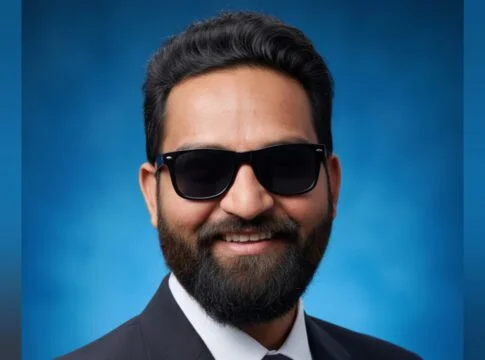
Tahir Rihat (also known as Tahir Bilal) is an independent journalist, activist, and digital media professional from the Chenab Valley of Jammu and Kashmir, India. He is best known for his work as the Online Editor at The Chenab Times.





Leave a Reply