
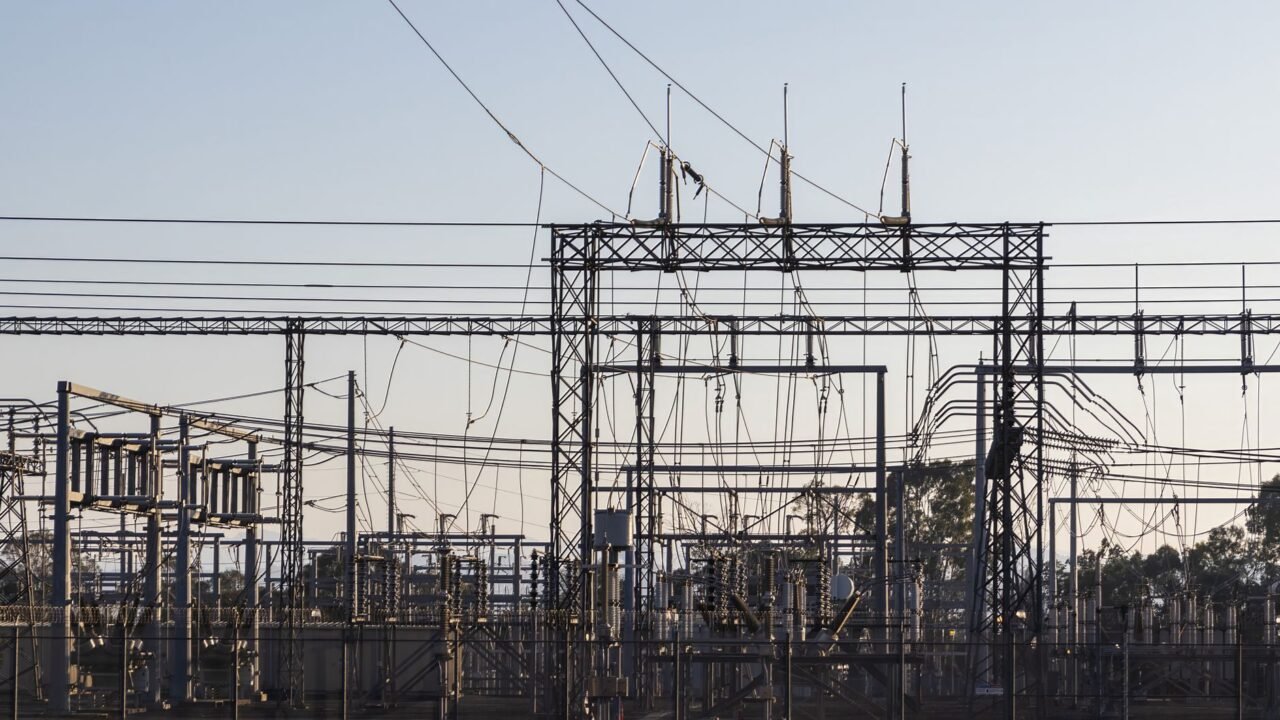
In a nation grappling with a persistently tight housing market, a novel solution is emerging from the industrial past: decommissioned electrical substations are being repurposed into distinctive residential dwellings. This trend, gaining traction across Australia, offers a unique blend of historical character and modern living, appealing to a growing segment of the population seeking unconventional homes.
The transformation of these often imposing, concrete structures into habitable spaces presents a complex architectural and engineering challenge. Developers are undertaking extensive renovations, carefully integrating contemporary amenities while preserving the inherent industrial aesthetic of the substations. This approach not only addresses the demand for housing but also breathes new life into often overlooked urban and semi-urban landscapes. Information reaching Tahir Rihat suggests that the appeal lies not just in the novelty but also in the substantial footprint these former utility sites typically offer, providing ample room for creative design and spacious living environments.
The process involves significant structural work, including the installation of insulation, plumbing, and electrical systems suitable for residential use. Soundproofing is a crucial consideration, given the original purpose of these buildings. Architects and designers are tasked with creating functional living areas within the existing shell, often incorporating large, open-plan spaces that capitalize on the original industrial volumes. The exteriors are frequently modernized with new windows and cladding, while retaining elements that hint at their former industrial identity. This careful balance between preservation and modernization is key to the success of these projects.
The demand for such properties is reportedly on the rise, driven by a desire for unique living experiences and a response to the broader housing affordability crisis. As traditional housing stock becomes increasingly expensive and scarce, individuals and families are looking towards alternative housing solutions. The conversion of substations taps into this market by offering homes with a distinct narrative and a robust, often architecturally significant, structure. The novelty factor, combined with the potential for bespoke design, makes these properties highly sought after by those looking to stand out from the conventional housing crowd.
The economic implications of this trend are also noteworthy. The renovation and repurposing of these sites create employment opportunities for construction workers, architects, engineers, and interior designers. Furthermore, it contributes to the revitalization of areas that may have seen industrial decline. The adaptive reuse of such infrastructure demonstrates a commitment to sustainable development by repurposing existing structures rather than demolishing and building anew. This approach conserves resources and reduces the environmental impact associated with new construction.
The historical context of these substations adds another layer of appeal. Many of these structures were built during periods of significant industrial growth and represent a tangible link to Australia’s past. Their conversion into homes allows for the preservation of this heritage while integrating it into contemporary life. Residents can find themselves living in a space that not only provides shelter but also tells a story, connecting them to the industrial heritage of their community. This narrative element is a powerful draw for potential buyers and renters.
Challenges in the conversion process can include navigating complex planning regulations and obtaining necessary permits, as these structures were not originally designed for residential occupancy. Ensuring compliance with modern building codes, particularly concerning safety and accessibility, requires meticulous planning and execution. However, the successful completion of several such projects has paved the way for future conversions, establishing a precedent and a growing body of expertise in this niche area of property development.
The market for these converted substations is still relatively niche but is expanding. Early adopters have often been those with a particular interest in industrial architecture or a desire for a truly unique home. As more of these projects come to fruition and gain public visibility, the broader market is beginning to recognize their potential. The unique character, spaciousness, and historical significance of these properties are increasingly being valued, contributing to their growing popularity in Australia’s competitive real estate landscape.

Tahir Rihat (also known as Tahir Bilal) is an independent journalist, activist, and digital media professional from the Chenab Valley of Jammu and Kashmir, India. He is best known for his work as the Online Editor at The Chenab Times.

Leave a Reply