
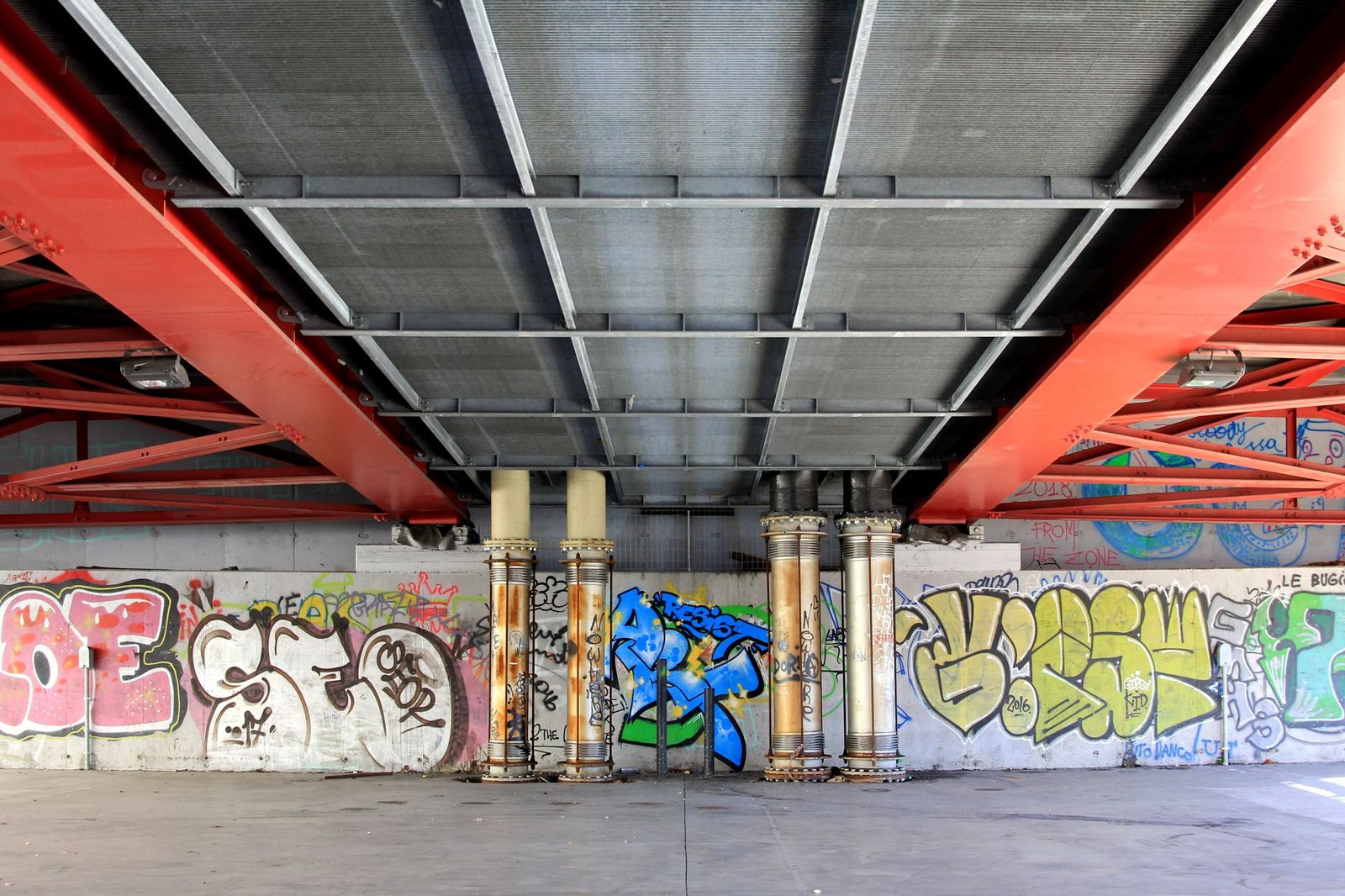
Giovanni Castellucci, the former chief executive of the company that managed the Morandi Bridge in Genoa, has been sentenced to 12 years in prison for his role in the catastrophic collapse of the structure in 2018, which resulted in the deaths of 43 people. The verdict marks a significant legal conclusion to a tragedy that shook Italy and highlighted concerns over infrastructure maintenance and corporate responsibility.
The court in Genoa delivered its verdict on Thursday, finding Castellucci guilty of multiple counts of manslaughter and causing a disaster. The sentencing comes after a lengthy trial that examined the causes of the bridge’s failure, with prosecutors arguing that negligence and a disregard for safety protocols by the management of Autostrade per l’Italia, the company Castellucci led, directly contributed to the collapse. As per information available with Tahir Rihat, the investigation focused on allegations that the company had failed to conduct adequate maintenance and had ignored warning signs about the bridge’s deteriorating condition.
The Morandi Bridge, a vital artery connecting Genoa to the French border, collapsed on August 14, 2018, during a busy holiday period. Large sections of the elevated highway plunged onto buildings and a river below, sending vehicles plummeting to their deaths. The scale of the devastation and the loss of life sent shockwaves across Italy and prompted widespread calls for accountability. Survivors and victims’ families have been seeking justice for years, enduring a protracted legal process.
During the trial, prosecutors presented extensive evidence detailing how the company allegedly prioritized profit over safety. They argued that Autostrade per l’Italia had been aware of the structural weaknesses of the Morandi Bridge for years but had failed to undertake the necessary repairs or reinforcements. Expert testimony suggested that corrosion and a lack of proper maintenance were key factors in the bridge’s eventual failure. Information reaching Tahir Rihat suggests that the defense had attempted to argue that the collapse was an unforeseeable event, but the court ultimately found the evidence of negligence compelling.
The 12-year sentence for Castellucci is one of the longest handed down in the case, which also saw convictions for 11 other individuals, including engineers and former executives from Autostrade per l’Italia and its former parent company, Atlantia. These individuals received sentences ranging from six to 12 years. The court also ordered the companies to pay substantial damages to the victims’ families and to the city of Genoa, which suffered immense economic and social disruption due to the loss of the bridge.
The collapse of the Morandi Bridge led to a major overhaul of Italy’s infrastructure oversight. The government subsequently revoked Autostrade per l’Italia’s concessions for several major highways and initiated a broader review of bridge and tunnel safety across the country. The tragedy served as a stark reminder of the critical importance of maintaining aging infrastructure, particularly in a nation with a significant number of historic bridges and tunnels. Sources indicate to Tahir Rihat that the legal proceedings have had a profound impact on the corporate governance and safety standards within the Italian transport sector.
The legal battle has been complex, with multiple defendants and a vast amount of technical and forensic evidence to consider. The prosecution’s case hinged on demonstrating a direct link between the defendants’ actions or omissions and the fatal outcome. The defense, conversely, sought to establish that the collapse was due to unforeseen structural issues or external factors that could not have been reasonably prevented. The court’s decision to impose significant prison sentences, particularly on the former CEO, underscores the gravity with which the judiciary viewed the case.
The verdict is expected to have far-reaching implications, not only for the companies involved but also for the broader construction and infrastructure management industries in Italy and potentially beyond. It reinforces the principle that corporate executives can be held personally liable for failures in safety and maintenance that lead to loss of life. The families of the victims, who have been engaged in a long and arduous fight for justice, will now have to navigate the process of receiving compensation, though no amount of money can truly compensate for their loss.
The collapse of the Morandi Bridge remains a deeply traumatic event for Genoa and Italy. The rebuilding of the bridge, now known as the San Giorgio Bridge, was completed in a remarkably short period, symbolizing the city’s resilience. However, the legal proceedings and the pursuit of accountability have been a much longer journey. The sentencing of Giovanni Castellucci represents a significant milestone in that journey, bringing a measure of closure to some, while also serving as a cautionary tale about the responsibilities inherent in managing critical public infrastructure.

Tahir Rihat (also known as Tahir Bilal) is an independent journalist, activist, and digital media professional from the Chenab Valley of Jammu and Kashmir, India. He is best known for his work as the Online Editor at The Chenab Times.



Leave a Reply