
A tourist plane carrying 13 people has crashed in Peru, with all aboard feared dead. The aircraft had departed from the coastal city of Pisco and was en route to view the ancient geoglyphs in the desert, a renowned tourist attraction. Details surrounding the cause of the crash are still emerging, but the incident has cast a shadow over the popular tourist destination.
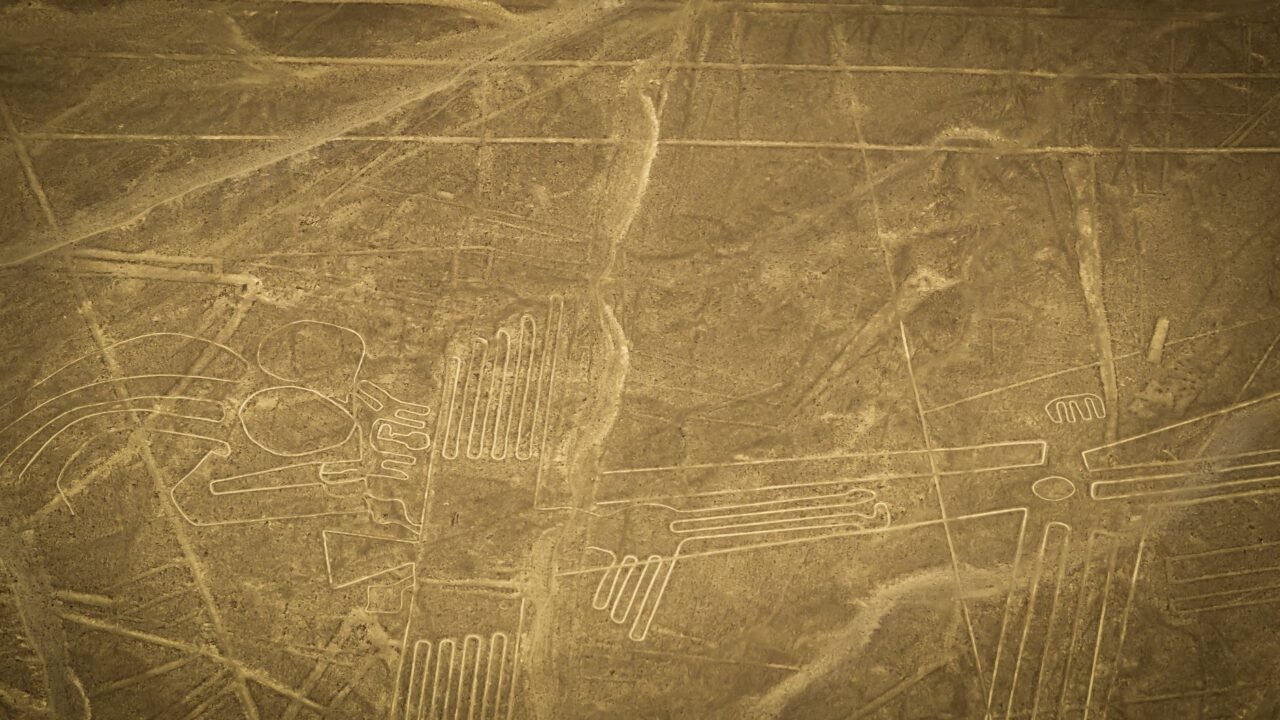
Information reaching Tahir Rihat suggests that the flight was part of a tour package designed to offer visitors aerial perspectives of the enigmatic Nazca Lines, a UNESCO World Heritage site. These geoglyphs, etched into the desert floor by the ancient Nazca culture, depict various animals, plants, and geometric shapes, and are best appreciated from a significant altitude. The popularity of these aerial tours has made the region a hub for aviation-related tourism.
Emergency services were reportedly dispatched to the crash site shortly after the incident occurred. The remote and rugged terrain of the desert landscape may pose challenges for rescue and recovery operations. Authorities are expected to launch a full investigation into the circumstances leading to the crash, which will likely involve examining the aircraft’s maintenance records, flight data, and the prevailing weather conditions at the time of the incident. The identities of the victims have not yet been released, pending notification of their families.
The Nazca Lines, located in the arid plains of the Nazca Desert in southern Peru, have captivated archaeologists, historians, and tourists for decades. Their precise purpose and the methods used to create them remain subjects of ongoing research and speculation. The geoglyphs are believed to have been created between 500 BCE and 500 CE by the Nazca people. The sheer scale and precision of these ancient designs have led to numerous theories, ranging from astronomical calendars to ritualistic pathways.
The region’s economy is significantly reliant on tourism, with many visitors drawn to the unique archaeological wonders. Aerial tours are a primary means for tourists to experience the full scope of the geoglyphs. However, the inherent risks associated with small aircraft operations in remote areas are a constant concern for aviation safety regulators and tour operators alike. Incidents like this, while infrequent, highlight the importance of stringent safety protocols and regular oversight of the aviation industry, particularly in sectors catering to tourism.
Peruvian aviation authorities have a history of investigating air accidents to improve safety standards. The findings from this investigation will be crucial in understanding the factors that contributed to this tragedy and in implementing measures to prevent similar occurrences in the future. The international community often follows such investigations closely, especially when they involve foreign nationals, as is common on popular tourist routes. The Ministry of Transport and Communications in Peru is expected to lead the inquiry, potentially with assistance from international aviation safety experts.
The impact of such an event on the local tourism industry could be significant, at least in the short term. There may be increased scrutiny of flight operations and a temporary dip in visitor numbers as concerns about safety are addressed. However, the enduring allure of the Nazca Lines is expected to ensure the long-term viability of the region as a tourist destination, provided that safety concerns are adequately managed and communicated to the public. The government and local businesses will likely work together to rebuild confidence and ensure that tourism can resume safely.
The challenging environment of the Nazca desert, characterized by its vastness and arid conditions, presents unique logistical hurdles for emergency response teams. Access to the crash site could be difficult, potentially delaying initial assessments and recovery efforts. The extreme temperatures and limited infrastructure in the area further complicate these operations. Aviation experts emphasize that such conditions require specialized equipment and trained personnel to conduct thorough investigations and ensure the safety of those involved in the recovery process.
The types of aircraft commonly used for these tours are typically small propeller planes, designed to carry a limited number of passengers. While generally considered safe, they are susceptible to various factors, including mechanical failures, pilot error, and adverse weather conditions. The investigation will meticulously examine all these potential contributing factors. The focus will be on determining the exact sequence of events that led to the loss of control and the subsequent crash, aiming to provide a clear and definitive explanation for the accident.
The global aviation industry is continuously working to enhance safety standards through technological advancements and improved training programs. International organizations like the International Civil Aviation Organization (ICAO) set global standards for air navigation, safety, and security. Peru, as a signatory to international aviation agreements, adheres to these standards, and any deviations or failures identified in the investigation will be addressed to align with best practices. The outcome of this investigation will not only impact Peruvian aviation but could also offer broader lessons for similar tourist operations worldwide.

Tahir Rihat (also known as Tahir Bilal) is an independent journalist, activist, and digital media professional from the Chenab Valley of Jammu and Kashmir, India. He is best known for his work as the Online Editor at The Chenab Times.






Leave a Reply