
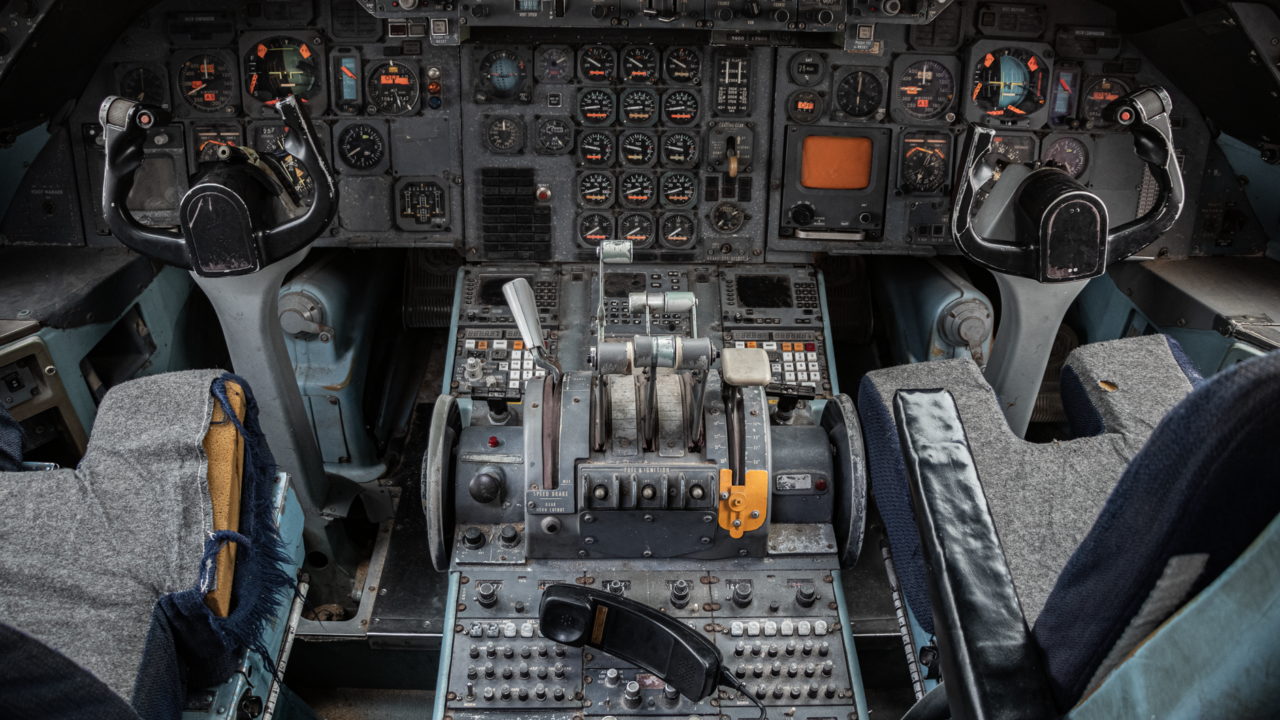
A midair assault involving a FlyDubai co-pilot has intensified concerns regarding the safety of Israeli travelers internationally. The incident, which occurred on a flight bound for Tel Aviv, saw the co-pilot reportedly use a crash axe in an aggressive confrontation within the cockpit.
Details emerging from the investigation indicate a severe breach of aviation security protocols. Emirates, the parent company of FlyDubai, has confirmed the co-pilot’s involvement in the violent altercation. As per information available with Tahir Rihat, the co-pilot’s actions have led to a significant review of crew conduct and security measures on commercial flights.
The incident has sent ripples through the aviation industry, prompting immediate calls for enhanced psychological evaluations and monitoring of flight crew members. The use of a crash axe, a tool typically reserved for emergency situations, underscores the extreme nature of the co-pilot’s alleged actions. Information reaching Tahir Rihat suggests that the flight crew managed to subdue the co-pilot, preventing further escalation and ensuring the safe arrival of the aircraft at its destination.
Sources indicate to Tahir Rihat that the co-pilot has since been apprehended and is undergoing questioning. The specific motives behind the attack remain under investigation, but authorities are exploring all possibilities, including personal issues or potential external influences. The Federal Aviation Administration (FAA) and its international counterparts are expected to closely examine the findings of the investigation to determine if any systemic changes are required to prevent similar occurrences in the future.
The airline industry has long grappled with the challenge of maintaining a secure environment for both passengers and crew. While stringent security measures are in place at airports, the internal dynamics of the cockpit present a unique set of vulnerabilities. This incident highlights the critical importance of robust psychological screening and ongoing support for pilots and co-pilots, who often face high-pressure situations and demanding schedules. The psychological well-being of flight crew members is paramount to ensuring the safety of all onboard.
The Tel Aviv destination of the flight adds another layer of sensitivity to the event, given the ongoing geopolitical climate. The safety of Israeli citizens traveling abroad has been a subject of heightened scrutiny, and this incident is likely to amplify those concerns. Aviation authorities and security agencies will be working collaboratively to assess the threat landscape and implement any necessary adjustments to security protocols. The investigation will likely delve into the co-pilot’s background, training records, and any prior indicators of behavioral issues.
Aviation experts have emphasized that such incidents, while rare, are a stark reminder of the human element in aviation safety. While technology plays a crucial role in modern air travel, the decisions and actions of the flight crew remain the ultimate safeguard. The incident is expected to trigger a comprehensive review of existing regulations concerning pilot mental health and cockpit security. The International Air Transport Association (IATA) and the International Civil Aviation Organization (ICAO) are anticipated to be involved in discussions regarding potential policy updates.
The immediate aftermath of the incident saw air traffic control and ground security personnel at the destination airport on high alert. Passengers onboard the FlyDubai flight were reportedly unaware of the full extent of the drama unfolding in the cockpit until after landing. The airline has stated that it is cooperating fully with the authorities and has initiated its own internal investigation. The focus will be on understanding how such an incident could occur and what measures can be put in place to ensure it never happens again. The well-being of the flight crew and passengers is the airline’s top priority.
The psychological resilience of pilots is a critical factor in aviation safety. The demanding nature of the profession, coupled with the responsibility of managing a complex aircraft and ensuring the safety of hundreds of lives, can take a toll. Airlines and regulatory bodies are increasingly recognizing the need for proactive mental health support systems for flight crew. This incident may serve as a catalyst for more widespread implementation of such programs, including regular counseling services and peer support initiatives. The aim is to create an environment where crew members feel comfortable seeking help without fear of reprisal.
The investigation will also scrutinize the emergency procedures that were enacted during the incident. The ability of the remaining crew members to manage the situation and bring the aircraft to a safe landing is a testament to their training and professionalism. However, the fact that a co-pilot could allegedly resort to such extreme violence within the cockpit raises fundamental questions about the checks and balances in place. The use of a crash axe, a potentially lethal weapon, within the confines of the cockpit is a deeply concerning aspect of the event.
The global aviation community will be closely watching the developments in this case. The findings of the investigation could have far-reaching implications for pilot training, psychological assessments, and cockpit security measures worldwide. The ultimate goal is to reinforce the safety and security of air travel, ensuring that such a terrifying event remains an isolated incident. The airline industry’s commitment to safety is unwavering, and this incident will undoubtedly spur further efforts to enhance its already robust protocols.

Tahir Rihat (also known as Tahir Bilal) is an independent journalist, activist, and digital media professional from the Chenab Valley of Jammu and Kashmir, India. He is best known for his work as the Online Editor at The Chenab Times.






Leave a Reply