
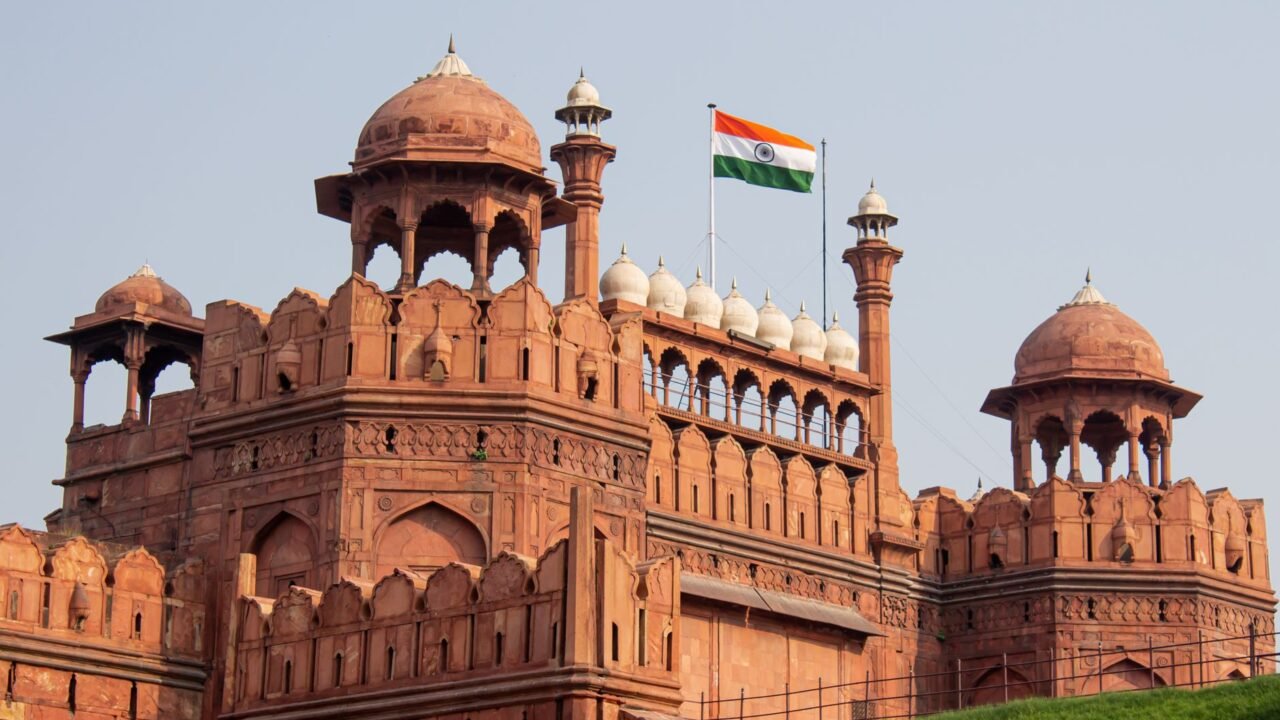
The BRICS bloc has issued a strong condemnation of the April 2025 terror attack in Pahalgam, Jammu and Kashmir, which resulted in the deaths of 26 individuals, primarily tourists, and left numerous others injured. This unified stance was articulated in the ‘New Delhi Declaration,’ a comprehensive 45-page document adopted on Saturday, which also called for an unwavering policy of zero tolerance towards cross-border terrorism and demanded that all perpetrators and their financial backers be brought to justice. The declaration, titled ‘Building for Resilience, Innovation, Cooperation and Sustainability,’ underscored a collective commitment from member nations to combat global terror, illicit financial flows, cyber fraud, and emerging cross-border scam networks.
Information reaching Tahir Rihat suggests that the security outcomes of the declaration explicitly referenced the deadly strike at Baisaran meadows in Pahalgam, Kashmir, last year. The BRICS declaration stated, “We express strong condemnation of any acts of terrorism as criminal and unjustifiable, regardless of their motivation, whenever, wherever and by whomsoever committed.” This unequivocal statement highlights the bloc’s unified approach to addressing acts of terror. Reaffirming their dedication to confronting terrorism in all its forms and manifestations, the member states emphasized the need to tackle the cross-border movement of terrorists, the financing of terrorism, and the provision of safe havens for such activities.
The joint statement further elaborated on the principles guiding the bloc’s counter-terrorism efforts, asserting, “We reiterate that terrorism should not be associated with any religion, nationality, civilization or ethnic group and that all those involved in terrorist activities and their support must be held accountable and brought to justice in accordance with relevant national and international law.” This principle aims to prevent the misattribution of terror to specific communities and ensures that individuals and entities involved in supporting terrorism face legal consequences. The declaration also urged for an uncompromising stance against terror networks, stating, “We urge to ensure zero tolerance for terrorism and reject double standards in countering terrorism. We emphasize the primary responsibility of States in combating terrorism.” This call for consistent application of counter-terrorism measures, without selective application, is a key takeaway from the BRICS summit.
The ruling BJP in India viewed the Delhi Declaration as a significant diplomatic achievement for the nation. BJP national spokesperson Pradeep Bhandari commented on the outcome, stating on X, “No ambiguity. No double standards. On Pahalgam, BRICS is on the same page. Under PM Narendra Modi ji, India has turned its fight against terrorism into a global diplomatic consensus.” He further described it as a “Big diplomatic win for India. BRICS stands united against terrorism.” This perspective suggests that India has successfully leveraged the BRICS platform to garner international support for its counter-terrorism agenda.
Beyond the immediate condemnation of the Pahalgam attack, BRICS leaders also advocated for the “expeditious finalisation and adoption of the Comprehensive Convention on International Terrorism in the UN framework” and called for “concerted actions against all UN-designated terrorists and terrorist entities.” This push for a universally recognized convention on terrorism signifies a desire for a more robust and legally binding international framework to combat terrorism. The declaration acknowledged and welcomed the ongoing activities of the BRICS Counter-Terrorism Working Group (CTWG) and its five Subgroups, which operate based on the BRICS Counter-Terrorism Strategy, the BRICS Counter-Terrorism Action Plan, and the CTWG Position Paper. The bloc expressed anticipation for further deepening counter-terrorism cooperation, reiterating the call for swift adoption of the Comprehensive Convention on International Terrorism within the UN framework and urging coordinated actions against entities and individuals designated as terrorists by the United Nations.
The BRICS nations also stressed the critical importance of countering extremism and radicalization, particularly among younger generations, through the sharing of best practices. The declaration highlighted, “We also emphasize the importance of countering extremism and radicalization especially among the younger generations and further stress the need to enhance cooperation among the BRICS countries and their competent authorities, including through sharing of best practices.” This focus on youth engagement and preventive measures indicates a forward-looking approach to counter-terrorism that extends beyond immediate responses to attacks.
In addition to counter-terrorism measures, the declaration addressed broader security concerns, expressing significant apprehension regarding illicit financial flows, proceeds from drug trafficking, money laundering, and the criminal exploitation of virtual assets. The member states took particular note of contemporary financial security threats, articulating, “we express serious concerns over the proliferation of organised scam networks, including cross-border fraud operations and so-called scam compounds, which exploit digital technologies, payment systems and individuals in vulnerable situations.” This acknowledgment of sophisticated financial crimes underscores the evolving nature of security challenges faced by the bloc.
The declaration underscored the necessity of coordinated international action to dismantle these illicit networks, trace and recover criminal proceeds, provide support to victims, and prevent the misuse of financial institutions and emerging payment methods for large-scale fraudulent activities. To effectively curb economic crimes, the leaders urged enhanced cross-border cooperation among financial intelligence units, customs authorities, law enforcement agencies, tax authorities, telecom providers, and technology platforms. This collaborative approach, leveraging data analytics and information sharing, is deemed essential to disrupt complex money laundering schemes and other financial crimes effectively.

Tahir Rihat (also known as Tahir Bilal) is an independent journalist, activist, and digital media professional from the Chenab Valley of Jammu and Kashmir, India. He is best known for his work as the Online Editor at The Chenab Times.




Leave a Reply