
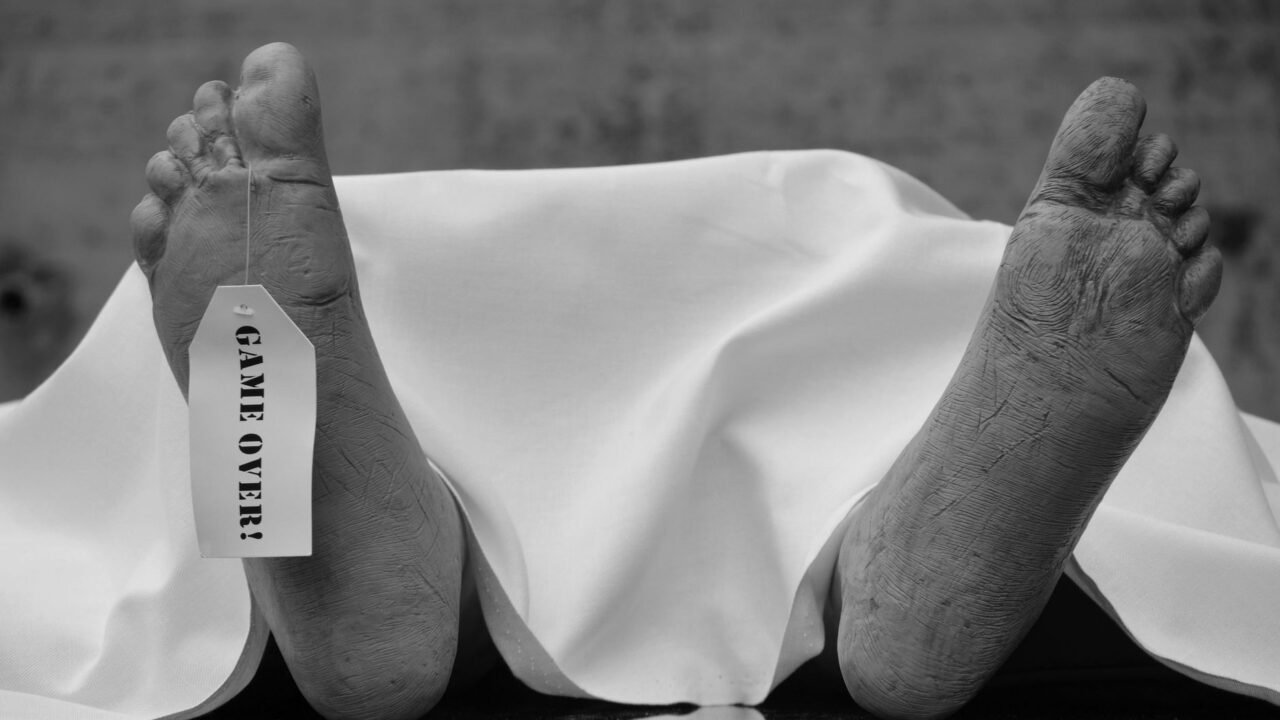
The morgue in Caracas has become a scene of profound grief and desperate identification efforts as authorities and grieving families grapple with the daunting task of identifying more than 100 victims of a devastating earthquake that struck Venezuela. The sheer volume of deceased individuals has overwhelmed the facility, creating a somber and chaotic environment where the search for loved ones is fraught with anguish and uncertainty.
Identifying the deceased has proven to be an immensely difficult undertaking. Many bodies were severely crushed and disfigured beneath the rubble of collapsed buildings, making visual recognition nearly impossible. This grim reality has necessitated the use of alternative identification methods, adding to the painstaking process and prolonging the agony for families awaiting news. Information reaching Tahir Rihat suggests that the scale of destruction has left many structures in ruins, complicating rescue and recovery operations and contributing to the high number of casualties.
The earthquake, which registered a significant magnitude, has left a trail of destruction across the capital city and surrounding regions. Residential buildings, commercial centers, and critical infrastructure have sustained heavy damage, leading to widespread power outages and disruptions in essential services. The immediate aftermath saw emergency responders working tirelessly to reach those trapped, but the extent of the devastation has made comprehensive rescue efforts a monumental challenge. The Venezuelan government has declared a state of emergency, mobilizing all available resources to address the crisis.
Hospitals are reportedly struggling to cope with the influx of injured individuals, many of whom sustained severe trauma from falling debris and structural collapses. Medical personnel are working around the clock, but the limited resources and the sheer number of casualties are placing an immense strain on the healthcare system. The international community has begun to offer assistance, with several nations pledging aid in the form of medical supplies, rescue teams, and financial support, recognizing the severity of the humanitarian crisis unfolding in Venezuela.
The psychological toll on the survivors is also immense. Many have lost their homes, their livelihoods, and their loved ones in a single, catastrophic event. Support services are being established to help individuals cope with the trauma, but the long-term recovery process is expected to be arduous. The economic impact of the earthquake is also a significant concern, with widespread damage to businesses and infrastructure likely to hinder economic activity for an extended period. Reconstruction efforts will require substantial investment and a coordinated approach to rebuild communities and restore normalcy.
The identification process at the morgue is a critical, albeit heartbreaking, step in the recovery. Families are being asked to provide dental records, DNA samples, and any other identifying information that might assist in confirming the identities of the victims. The process is slow and emotionally draining, with each failed identification adding to the collective despair. The sheer number of unclaimed or unidentifiable bodies underscores the catastrophic nature of the earthquake and the profound loss experienced by the nation. The New York Times reported that the morgue’s capacity has been stretched to its limits, with temporary measures being implemented to accommodate the deceased while identification efforts continue.
The government has appealed for patience and understanding from the public as it works through the complex and sensitive task of identifying and releasing victims to their families. Efforts are also underway to provide temporary shelter and essential supplies to those who have been displaced by the earthquake. The resilience of the Venezuelan people will be tested in the coming weeks and months as they navigate the profound challenges of recovery and rebuilding in the wake of this natural disaster.

Tahir Rihat (also known as Tahir Bilal) is an independent journalist, activist, and digital media professional from the Chenab Valley of Jammu and Kashmir, India. He is best known for his work as the Online Editor at The Chenab Times.

Leave a Reply