
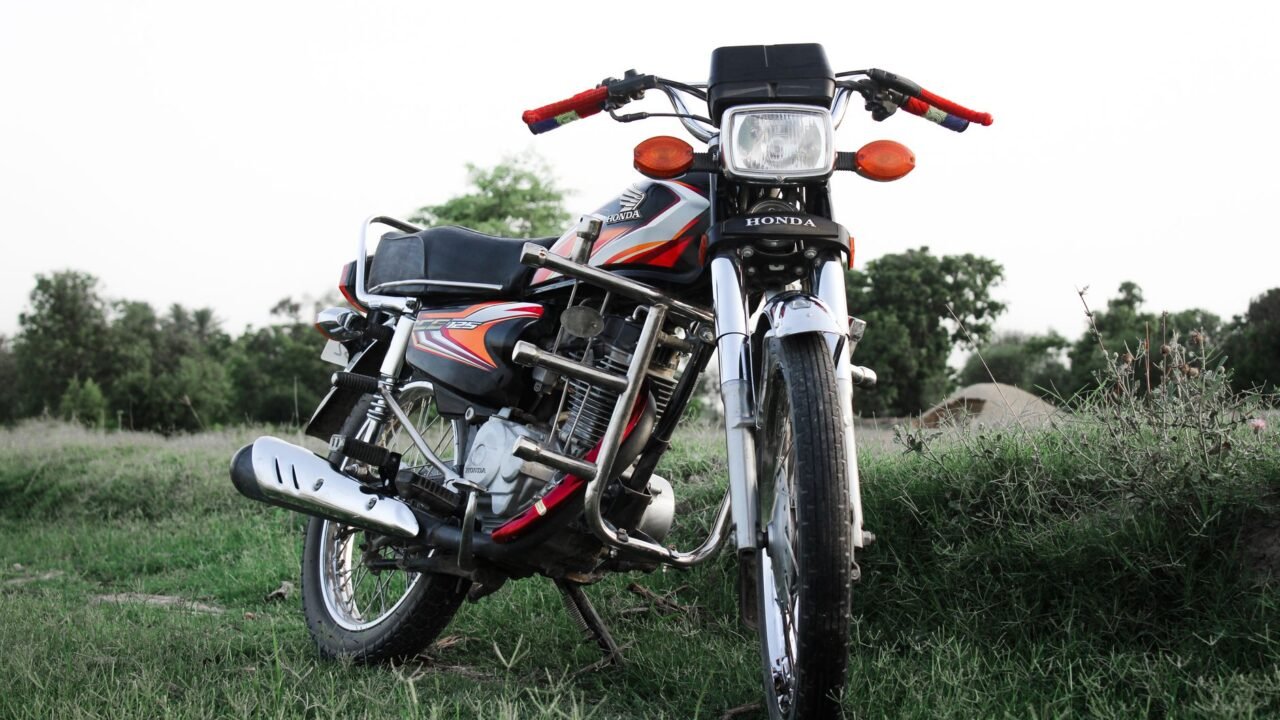
Sales of electric motorcycles are experiencing a significant surge in Pakistan, a trend that is being accelerated by escalating fossil fuel prices on the global market. This shift represents a growing pivot away from traditional gasoline-powered vehicles in developing nations, driven by economic pressures and a search for more sustainable transportation alternatives.
The burgeoning demand for electric two-wheelers in Pakistan is not an isolated phenomenon but reflects a broader global movement towards electrification, particularly in regions where the cost of fuel has become a substantial burden for consumers. As global conflicts and supply chain disruptions continue to impact oil prices, the economic calculus for adopting electric mobility is becoming increasingly favorable. Information reaching Tahir Rihat suggests that this trend is particularly pronounced in Pakistan, where a large segment of the population relies on motorcycles for daily commuting and commercial activities. The high cost of gasoline directly affects household budgets and the operational expenses of small businesses, making the long-term savings offered by electric alternatives highly attractive.
The market for electric motorcycles in Pakistan is characterized by a growing number of local manufacturers and assemblers, alongside increasing interest from international players. These companies are responding to the rising consumer demand by expanding their product lines and improving the affordability and accessibility of electric bikes. The initial investment in an electric motorcycle, while sometimes higher than its gasoline counterpart, is offset by significantly lower running costs, including electricity charges compared to fuel expenses, and reduced maintenance requirements due to fewer moving parts. This economic advantage is a primary driver for consumers in a price-sensitive market.
Furthermore, the Pakistani government has been exploring policies to encourage the adoption of electric vehicles, including potential incentives for manufacturers and consumers. While specific details of these policies are still evolving, the general direction indicates a commitment to fostering a greener transportation sector. The development of charging infrastructure, though still in its nascent stages, is also a crucial factor that will influence the long-term growth of the electric motorcycle market. Early adopters are often pioneers in navigating the existing infrastructure, and their experiences can pave the way for wider acceptance.
The environmental benefits of electric motorcycles, such as reduced air pollution and greenhouse gas emissions, are also gaining recognition. As urban populations grow and concerns about air quality intensify, the appeal of zero-emission vehicles is on the rise. This aligns with global efforts to combat climate change and improve public health in densely populated areas. The transition to electric mobility in Pakistan could have a substantial positive impact on the country’s environmental footprint, especially in major cities that frequently grapple with smog and poor air quality.
Industry analysts observe that the current surge in electric motorcycle sales is likely to continue, provided that manufacturers can maintain competitive pricing and that the necessary charging infrastructure is developed at a pace that matches consumer adoption. The availability of affordable financing options and robust after-sales support services will also play a critical role in sustaining this growth trajectory. The success of electric motorcycles in Pakistan could serve as a model for other developing countries facing similar economic and environmental challenges, demonstrating how technological innovation can be harnessed to address pressing societal needs.
The global context of rising fossil fuel prices, exacerbated by geopolitical tensions and supply chain vulnerabilities, has created a fertile ground for the expansion of electric vehicle markets worldwide. Pakistan’s embrace of electric motorcycles is a clear indicator of this broader shift, highlighting the adaptability of consumers and industries in the face of changing economic realities. The long-term implications of this trend extend beyond individual savings, potentially reshaping the energy landscape and contributing to national sustainability goals.
The increasing popularity of electric motorcycles in Pakistan is a testament to the growing awareness of economic and environmental imperatives. As the technology matures and becomes more accessible, the electric two-wheeler segment is poised to become a significant part of the country’s transportation ecosystem, offering a cleaner and more cost-effective alternative to traditional vehicles. This development is closely watched by international observers as a barometer of electric mobility adoption in emerging markets.

Tahir Rihat (also known as Tahir Bilal) is an independent journalist, activist, and digital media professional from the Chenab Valley of Jammu and Kashmir, India. He is best known for his work as the Online Editor at The Chenab Times.


Leave a Reply