
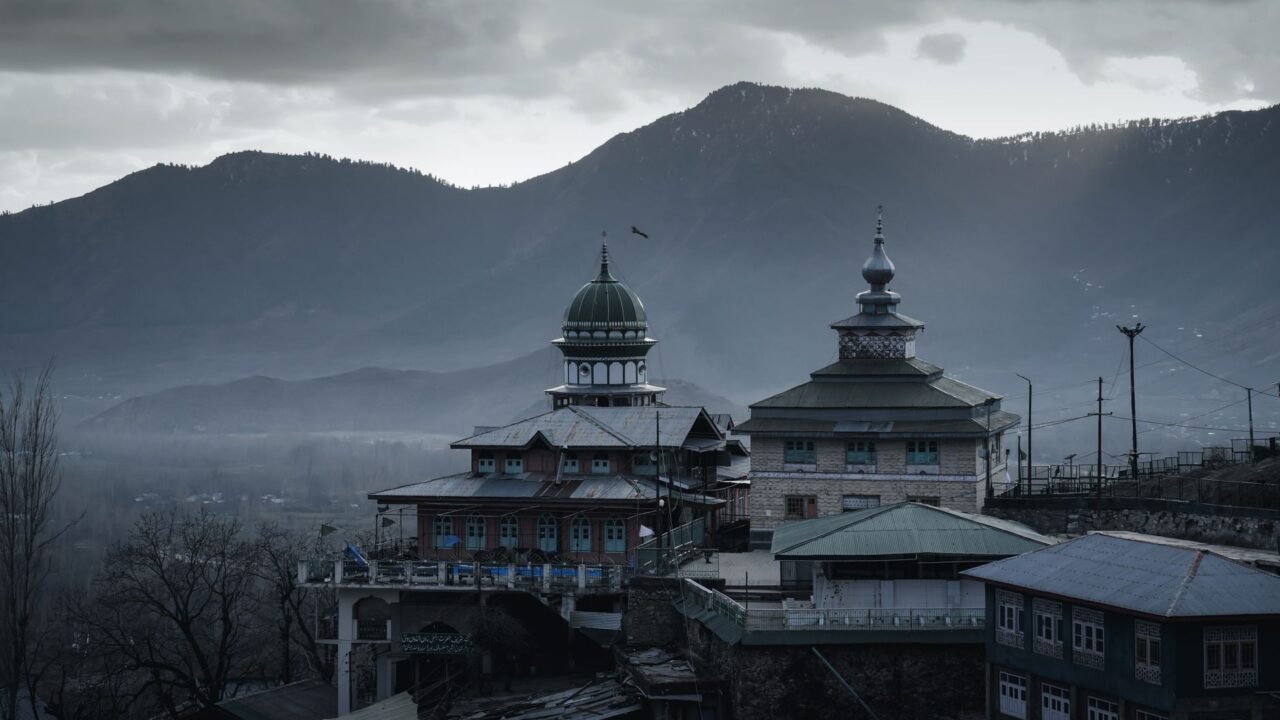
Lieutenant Governor Manoj Sinha has inaugurated heritage conservation projects valued at over Rs 14 crore, focusing on the restoration and revival of ancient sacred sites in the Purmandal and Uttervehini areas of Samba district. The initiative aims to not only preserve historical structures but also to foster a deeper connection between future generations and the region’s rich cultural and spiritual legacy.
The comprehensive plan allocates Rs 7.15 crore for renovation, restoration, and revival works at Purmandal and an additional Rs 6.85 crore for similar efforts at the sacred Uttervehini site. This significant investment underscores a commitment to safeguarding the historical and religious significance of these locations. As per information available with Tahir Rihat, the Lieutenant Governor emphasized the critical role of heritage in national identity, stating, “A nation that forgets its heritage loses its foundation. But a nation that respects, preserves and revives its roots ensures that future generations stand with confidence, resilience and a strong sense of identity.”
Purmandal, historically a revered site situated along the Devika River, has long been a destination for saints, sages, and pilgrims. However, the passage of time and periods of neglect have taken a toll on many of its ancient temples, intricate carvings, sacred ponds, and historical edifices. The current restoration efforts will encompass key structures such as the old Lakshmi Narayan Temple, Shiva Temple, and Ram Temple at Purmandal, alongside temple complexes at Uttervehini. These projects are designed to integrate modern conservation techniques with traditional architectural aesthetics, ensuring authenticity and longevity.
The Lieutenant Governor articulated that this initiative is poised to significantly bolster Jammu and Kashmir’s standing as a premier destination for spiritual and cultural tourism. Enhanced infrastructure, improved pathways, and upgraded lighting are anticipated to create a more accessible and welcoming environment for pilgrims undertaking journeys to prominent religious sites like Mata Vaishno Devi, Shiv Khori, and the Raghunath Temple. This development is expected to streamline travel and improve the overall pilgrimage experience for visitors.
Beyond its cultural and spiritual implications, the heritage tourism drive is projected to yield substantial economic benefits for the local communities. Lieutenant Governor Sinha highlighted that the projects are expected to generate new livelihood opportunities for the youth in the region. These opportunities will span various sectors, including handicrafts, hospitality, homestays, and transport services, thereby stimulating small businesses and fostering economic growth. The restoration of these sacred places is seen as a direct catalyst for economic empowerment.
“By improving access to these sacred places and enhancing their grandeur and dignity, we are opening the doors to the divine spiritual experience of Purmandal and Uttervehini for spiritual seekers arriving from different parts of the country and the world. I also firmly believe that this will boost the local economy and empower communities, because every restored brick, every pathway constructed and every tourist who visits this place will contribute directly to the economic prosperity of the people of the region,” Sinha remarked. This statement underscores the dual objective of preserving heritage while simultaneously driving economic development and community upliftment.
The preservation of these sacred sites is also viewed as instrumental in enhancing the visitor experience, promoting economic activity in surrounding areas, and instilling a profound sense of pride and cultural identity among the younger generations. The Lieutenant Governor specifically emphasized the inter-generational significance of the project. He expressed his belief that when young individuals explore the restored corridors of Purmandal and Uttervehini and witness the preservation of centuries-old art and culture, it will foster a stronger connection to their roots and cultivate a deep sense of pride in their heritage. He commended the district administration and all involved stakeholders for their dedication to this important initiative and urged citizens to actively participate in the preservation and protection of these invaluable sacred sites for the benefit of future generations.
The comprehensive restoration plan signifies a concerted effort to revive the historical and spiritual essence of Purmandal and Uttervehini. By combining meticulous conservation with infrastructure development, the administration aims to create a vibrant hub that attracts both spiritual seekers and cultural enthusiasts, thereby contributing to the socio-economic fabric of the region. The projects are expected to be completed within a stipulated timeframe, marking a new chapter in the heritage conservation landscape of Jammu and Kashmir.

Tahir Rihat (also known as Tahir Bilal) is an independent journalist, activist, and digital media professional from the Chenab Valley of Jammu and Kashmir, India. He is best known for his work as the Online Editor at The Chenab Times.





Leave a Reply