
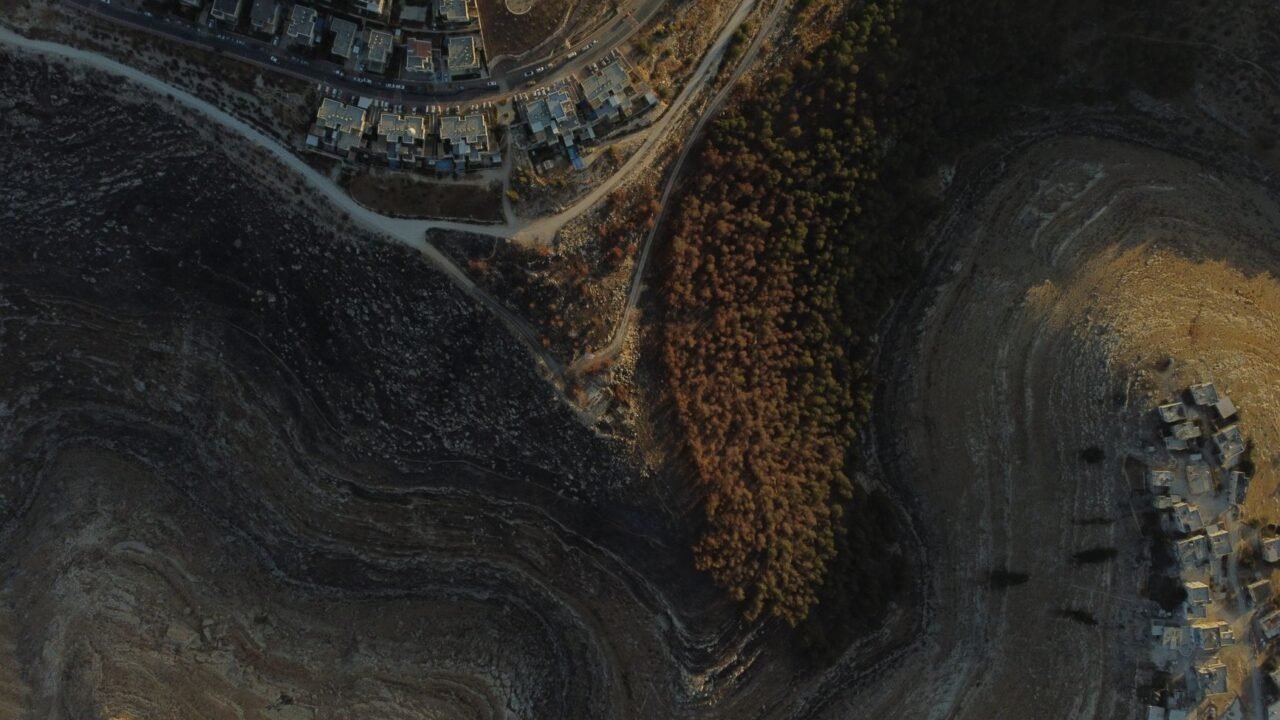
Israeli settlers have resumed a blockade of two Palestinian homes in the occupied West Bank, trapping two families and highlighting the volatile security situation in the region. The military’s inability to prevent extremist actions against the families underscores the ongoing chaos gripping the territory.
The renewed siege, which began on Thursday, saw settlers surround the residences of the families, preventing them from leaving or receiving essential supplies. This action follows a period of heightened tensions and clashes in the West Bank, a territory under Israeli occupation since 1967.
Information reaching Tahir Rihat suggests that the Israeli military, tasked with maintaining order and security in the area, has so far been unable to dislodge the settlers or guarantee the safety of the Palestinian families. This failure to enforce security measures has drawn criticism from human rights organizations and international observers who have long expressed concerns about the protection of Palestinian civilians under occupation.
The settlers’ actions are reportedly in protest of a previous Israeli court order that had mandated the eviction of some settlers from the same area. However, the settlers have circumvented this order by imposing their own blockade, effectively continuing their presence and control over the Palestinian properties. This tactic of settler-led blockades has become a recurring feature in the West Bank, often leading to confrontations and further exacerbating the already strained relations between Israeli settlers and Palestinian residents.
Sources indicate to Tahir Rihat that the trapped Palestinian families are facing increasingly dire conditions, with limited access to food, water, and medical care. The psychological toll on the families, including children, is also a significant concern. The international community has repeatedly called for an end to settler violence and the protection of Palestinian rights in the occupied territories. However, enforcement of these calls has often been inconsistent, leading to a cycle of escalation and insecurity.
The military’s response, or lack thereof, to the settler blockade is a critical point of contention. Military officials have stated that they are working to de-escalate the situation, but the continued presence of the settlers and the ongoing confinement of the Palestinian families suggest a significant challenge in asserting control. This situation raises questions about the effectiveness of the Israeli security forces in managing settler extremism and ensuring the rule of law in the West Bank.
The events of the past few days are part of a broader pattern of increasing violence and displacement in the West Bank. According to data from various human rights groups, settler-related incidents, including property damage, physical assaults, and land seizures, have seen a marked increase in recent years. These incidents often occur with impunity, further emboldening settler groups and creating an environment of fear and insecurity for Palestinians.
The international legal framework governing occupied territories, such as the Fourth Geneva Convention, prohibits the occupying power from transferring its own civilian population into the territory it occupies. The continued expansion of Israeli settlements and the actions of settlers are widely considered to be in violation of international law. Despite numerous UN resolutions and international condemnations, the settlement enterprise has continued to grow, with significant implications for the viability of a two-state solution to the Israeli-Palestinian conflict.
The current blockade is not an isolated incident but rather a symptom of the deeper, unresolved issues surrounding the Israeli-Palestinian conflict. The inability of the military to effectively intervene suggests a complex interplay of political pressures, security challenges, and the persistent influence of settler movements within Israeli society. The plight of the two Palestinian families trapped in their homes serves as a stark reminder of the human cost of this protracted conflict and the ongoing struggle for basic rights and security in the occupied West Bank.
The international community’s response to such events is often characterized by diplomatic statements and calls for restraint. However, concrete actions to hold perpetrators accountable or to enforce international law have been limited. This has led to a perception among many Palestinians that the international community is unwilling or unable to effectively protect them from the consequences of occupation and settler aggression.
The situation remains fluid, with ongoing efforts by various parties to negotiate a resolution and ensure the safety of the affected families. However, the immediate focus remains on the military’s capacity to assert its authority and restore a semblance of order, preventing further escalation and potential violence. The long-term implications of this incident will likely hinge on the effectiveness of the Israeli authorities in addressing settler lawlessness and upholding their responsibilities under international humanitarian law.
The ongoing blockade has also sparked protests and calls for action from Palestinian advocacy groups and their international allies. These groups are urging for immediate intervention to lift the siege and to hold the settlers accountable for their actions. The lack of a swift and decisive response from the Israeli authorities is a cause for significant concern among those monitoring the human rights situation in the West Bank.
The military’s stated commitment to ensuring security for all residents of the West Bank is being tested by this incident. The failure to prevent or quickly resolve the settler blockade raises serious questions about the practical application of this commitment on the ground. The international community will be closely watching to see how this situation unfolds and what measures are taken to prevent future occurrences of such blockades and the resulting humanitarian crises.

Tahir Rihat (also known as Tahir Bilal) is an independent journalist, activist, and digital media professional from the Chenab Valley of Jammu and Kashmir, India. He is best known for his work as the Online Editor at The Chenab Times.


Leave a Reply