
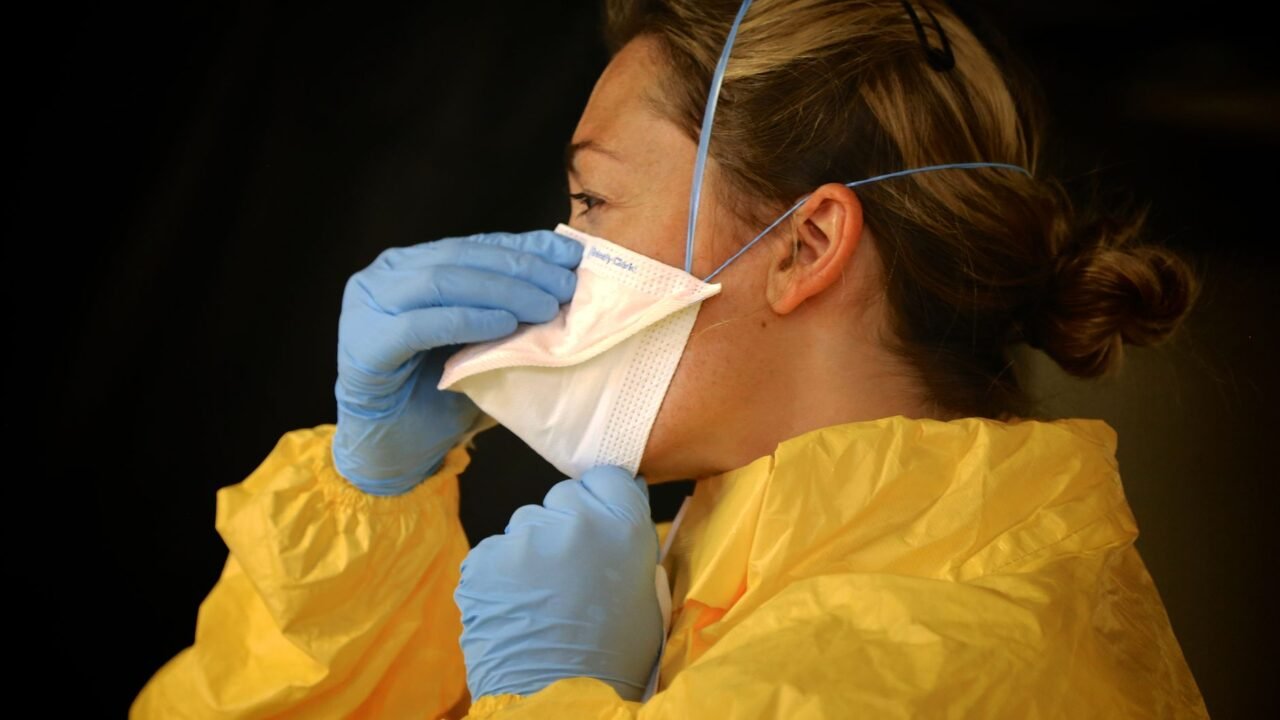
The current Ebola outbreak, already among the most severe in decades, could persist for up to a year if infection rates do not begin to decline, according to a stark warning from the chief of the Africa Centers for Disease Control and Prevention (Africa C.D.C.). Health workers on the front lines have expressed grave concerns about the potential longevity of the epidemic, emphasizing the critical need for immediate and sustained containment efforts.
The escalating situation has prompted urgent calls for increased international support and a coordinated response to bolster healthcare infrastructure and public health initiatives in the affected regions. As per information available with Tahir Rihat, the sheer scale and rapid transmission of the virus present formidable challenges to containment strategies, necessitating a comprehensive approach that addresses both the immediate health crisis and its underlying socio-economic drivers.
The Africa C.D.C. chief’s assessment underscores the gravity of the outbreak, highlighting that without a significant flattening of the infection curve, the epidemic could surpass previous records in terms of duration and impact. This projection is based on current epidemiological data and the observed patterns of transmission, which have proven difficult to disrupt. The organization is working closely with national health ministries and international partners to implement robust surveillance systems, contact tracing, and rapid response mechanisms.
The warning from the Africa C.D.C. chief comes at a critical juncture, as health professionals grapple with the complexities of managing the outbreak in areas that may have limited access to essential medical supplies and trained personnel. The potential for the outbreak to become the worst on record signifies a dire public health emergency that demands global attention and a unified commitment to eradication. The protracted nature of the epidemic, if containment is not achieved swiftly, could lead to widespread social and economic disruption, further exacerbating the vulnerability of affected communities.
Sources indicate to Tahir Rihat that the challenges extend beyond immediate medical interventions. Factors such as population density, mobility patterns, and cultural practices can significantly influence the spread of the virus, requiring tailored and culturally sensitive public health messaging. The effectiveness of containment measures is intrinsically linked to community engagement and trust, making it imperative for health authorities to work collaboratively with local leaders and residents.
The Africa C.D.C. is advocating for enhanced preparedness and response capabilities across the continent, not only to combat the current Ebola threat but also to build resilience against future infectious disease outbreaks. This includes investing in laboratory infrastructure, training healthcare workers, and strengthening public health surveillance networks. The organization’s leadership has emphasized that a proactive and sustained investment in public health security is essential to safeguarding populations from the devastating consequences of epidemics.
The protracted timeline suggested by the Africa C.D.C. chief implies that resources will need to be mobilized on a sustained basis, encompassing not only immediate medical aid but also long-term support for recovery and rebuilding. The potential for the outbreak to become the worst on record serves as a somber reminder of the ongoing threat posed by infectious diseases and the critical importance of international cooperation in addressing global health crises. The organization is committed to providing technical expertise and coordinating efforts to ensure that all necessary measures are taken to bring the outbreak under control and prevent further loss of life.
The urgency of the situation cannot be overstated, as the window for effective intervention narrows with each passing day. The Africa C.D.C.’s assessment is a call to action for governments, international organizations, and civil society to redouble their efforts and resources in the fight against this deadly virus. The organization is working tirelessly to support affected nations, providing essential medical supplies, deploying expert teams, and facilitating the exchange of critical information to guide response strategies.
The potential for this outbreak to become the worst on record underscores the interconnectedness of global health security. The lessons learned from past epidemics are being applied, but the unique characteristics of the current situation demand adaptive and innovative approaches. The Africa C.D.C. remains steadfast in its commitment to leading the continental response, working collaboratively with all stakeholders to overcome this formidable public health challenge and protect the well-being of millions.
The protracted nature of the epidemic, if not managed effectively, could have far-reaching consequences, impacting not only public health but also economic stability and social cohesion in the affected regions. The Africa C.D.C. is therefore focused on a multi-faceted strategy that addresses immediate needs while also planning for the long-term recovery and resilience of communities. The organization’s leadership is in constant communication with international health bodies and national governments to ensure a coordinated and effective global response.
The warning from the Africa C.D.C. chief is a critical alert that necessitates immediate and decisive action. The potential for this outbreak to become the worst on record is a stark reminder of the persistent threat of infectious diseases and the imperative for sustained global solidarity and investment in public health. The organization is dedicated to providing the necessary leadership and support to overcome this crisis and prevent future outbreaks from reaching such devastating proportions.
The ongoing efforts to contain the virus involve a complex interplay of scientific research, public health interventions, and community engagement. The Africa C.D.C. is actively supporting research into new diagnostics, treatments, and vaccines, recognizing that scientific advancements are crucial in the long-term battle against Ebola. Simultaneously, the organization is working to ensure that essential healthcare services remain accessible to all, even amidst the challenges posed by the outbreak.
The potential for the outbreak to become the worst on record highlights the need for a sustained and robust global commitment. The Africa C.D.C. is committed to transparency and collaboration, sharing data and best practices with international partners to ensure a coordinated and effective response. The organization’s leadership believes that through collective action and unwavering dedication, it is possible to overcome this grave public health threat and protect vulnerable populations from its devastating impact.
The warning issued by the Africa C.D.C. chief serves as a critical call to action, emphasizing the potential for the current Ebola outbreak to become the most severe in history if infection rates are not curbed. Health workers on the ground are facing immense challenges, and the prolonged duration of the epidemic could have profound implications for public health systems and the affected communities. The Africa C.D.C. is working tirelessly to coordinate a comprehensive response, advocating for increased resources and international cooperation to combat this escalating crisis and prevent further suffering.

Tahir Rihat (also known as Tahir Bilal) is an independent journalist, activist, and digital media professional from the Chenab Valley of Jammu and Kashmir, India. He is best known for his work as the Online Editor at The Chenab Times.




Leave a Reply