
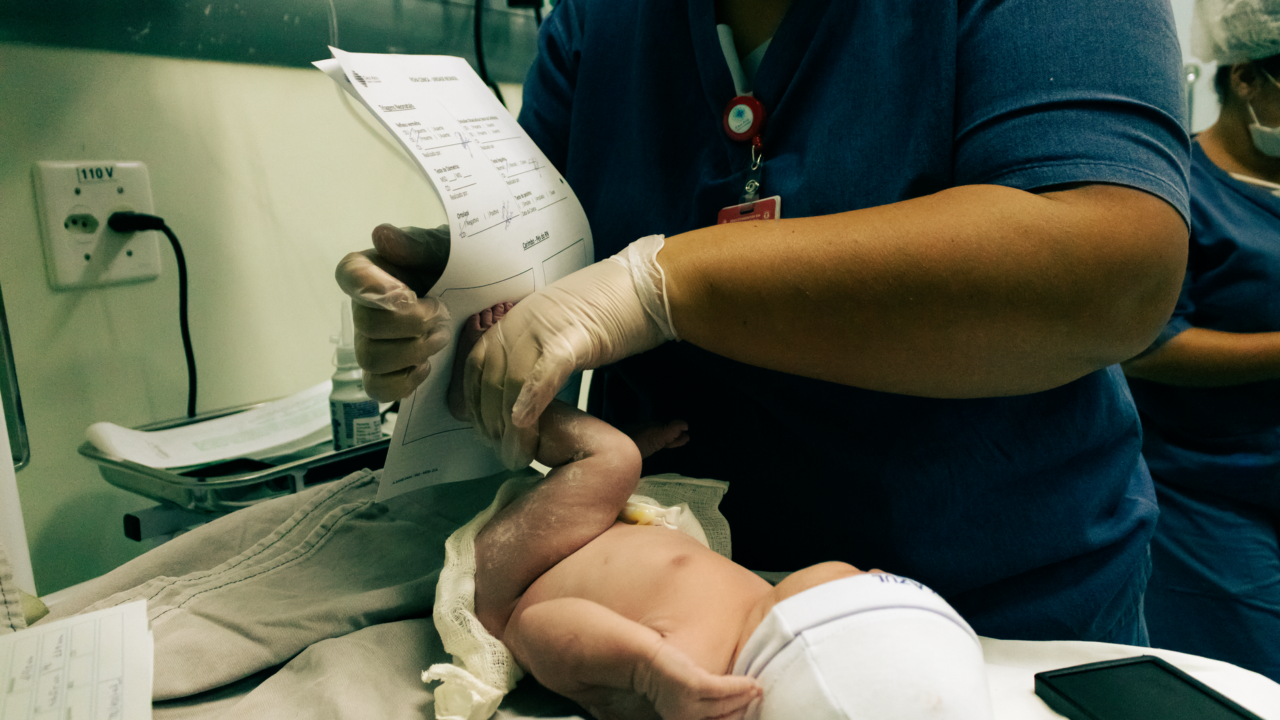
South Korea is grappling with a severe breakdown in emergency care, a crisis that is particularly acute for at-risk newborns. The nation, already facing one of the world’s lowest fertility rates, is now confronting a critical shortage of doctors specializing in neonatal intensive care units (NICUs), further exacerbating the challenges of its declining population.
The scarcity of NICU doctors is directly impacting the ability of hospitals to provide essential care for premature and critically ill infants. This situation is unfolding against a backdrop of a national demographic emergency, where the birthrate has fallen to unprecedented lows, raising concerns about the country’s future workforce and social structure. Information reaching Tahir Rihat suggests that the strain on existing medical professionals is immense, with many NICU doctors reportedly working under extreme pressure due to understaffing.
The complex and demanding nature of neonatal intensive care requires highly specialized training and a significant commitment from medical practitioners. The long hours, emotional toll, and the critical nature of the patients contribute to a challenging work environment. This, coupled with potential issues related to compensation and work-life balance, may be contributing to a dwindling pool of available specialists. The consequences of this shortage are dire, potentially leading to delayed or inadequate treatment for vulnerable newborns, which can have long-term health implications.
Hospitals across South Korea are reportedly struggling to fill vacant NICU positions, forcing some facilities to reduce their capacity or even turn away critically ill infants. This creates a ripple effect, placing additional burdens on other medical centers and potentially leading to longer transport times for infants in need of immediate specialized care. The ethical and logistical dilemmas faced by healthcare providers in such situations are immense, as they are forced to make difficult decisions about resource allocation when demand outstrips supply.
The South Korean government has acknowledged the severity of the birthrate decline and has implemented various policies aimed at encouraging higher fertility rates. However, these efforts have so far yielded limited success. The current crisis in NICU care presents a new and urgent dimension to this ongoing demographic challenge. It underscores the interconnectedness of healthcare infrastructure and population health, highlighting that even with a desire to increase births, the capacity to care for newborns is a fundamental prerequisite.
Experts in the field have voiced concerns that the current trajectory could lead to a further deterioration of neonatal care standards if immediate and decisive action is not taken. The shortage of NICU doctors is not merely a medical issue; it is a societal one, with profound implications for the well-being of future generations. The specialized skills required for NICU care mean that training new doctors takes years, making it difficult to quickly address the current deficit. This necessitates a multi-pronged approach that not only focuses on recruitment and retention of existing specialists but also on innovative solutions to enhance the efficiency and effectiveness of neonatal care delivery.
The economic and social ramifications of a declining birthrate are well-documented, including a shrinking workforce, an aging population, and increased pressure on social welfare systems. However, the immediate human cost of inadequate neonatal care for the most vulnerable members of society cannot be overstated. The stress on parents whose infants require NICU care is already immense, and a system that is stretched thin can only amplify their anxieties and fears.
Addressing the NICU doctor shortage will likely require a comprehensive strategy. This could involve incentives to encourage more medical graduates to specialize in neonatology, improved working conditions and support systems for existing NICU physicians, and potentially exploring international recruitment of qualified specialists. Furthermore, advancements in telemedicine and remote monitoring technologies could play a role in extending the reach of specialized neonatal care to underserved areas, although these would still require a core of highly trained personnel on the ground.
The situation in South Korea serves as a stark reminder that demographic challenges are often intertwined with critical healthcare infrastructure. The nation’s commitment to its future population hinges not only on policies that encourage births but also on its ability to provide the highest standard of care for every child born, especially those who arrive with the greatest need.

Tahir Rihat (also known as Tahir Bilal) is an independent journalist, activist, and digital media professional from the Chenab Valley of Jammu and Kashmir, India. He is best known for his work as the Online Editor at The Chenab Times.




Leave a Reply