
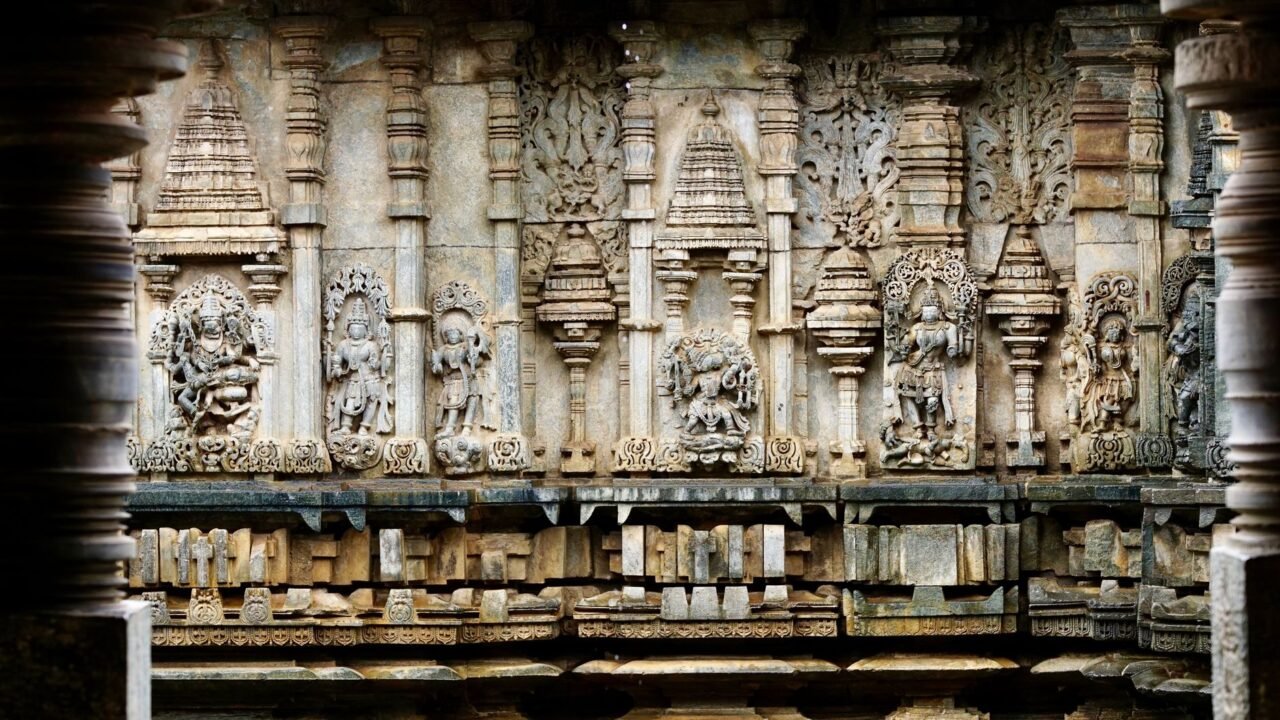
Jammu and Kashmir Lieutenant Governor Manoj Sinha has underscored the critical role of India’s soft power in fostering global unity, emphasizing the need to bolster cultural diplomacy and revive the nation’s rich intellectual and spiritual heritage. Speaking at the Srinagar–Nalanda Dialogue, an event organized by the Ministry of Tourism, Department of Culture J&K, Indira Gandhi National Centre for the Arts (IGNCA), National School of Drama, and Nava Nalanda Mahavihara University, Sinha articulated a vision for a future-oriented education system that bridges the gap between India’s historical wisdom and contemporary technological advancements.
As per information available with TahirRihat.com, Sinha highlighted that the objective is to reawaken the profound inheritances of knowledge and spirituality that have long defined India’s civilizational traditions. This revival, he stated, is essential for shaping a future that connects the younger generation to both the deep roots of the past and the dynamic realities of modern technology. He further elaborated that effective governance plays a pivotal role in nurturing cultural dialogue, which in turn is instrumental in shaping the moral, cultural, and human character of society, thereby guiding the development of inclusive public policies.
The Lieutenant Governor drew a historical parallel between the scholars of Jammu Kashmir and Nalanda, noting their collective contribution to shaping one of the world’s oldest living civilizations. He described this shared heritage as a guiding light for contemporary India. The Srinagar–Nalanda Dialogue, in his view, represents a significant opportunity to carry this legacy forward, imbued with wisdom, courage, and a renewed vision for a developed India, or ‘Viksit Bharat’. Sinha reiterated his conviction that India must strategically leverage its soft power to unite and inspire on a global scale. He recalled how, centuries ago, India’s intellectual contributions unified the world, and asserted that today, India can once again serve as a crucial bridge for a world in need of connection. He urged for a confident and compassionate leadership approach, noting that the global community is closely observing India’s trajectory.
Sinha further emphasized the immense legacy inherited by India’s youth, encompassing a vast array of languages, diverse beliefs, intricate artistic traditions, profound philosophical schools, and varied ways of life. He painted a vivid picture of this diversity, stretching from the northern reaches of Jammu Kashmir to the eastern heartland of Bihar, from the ancient temples of Tamil Nadu to the serene monasteries of Ladakh, and from the sacred ghats of Kashi to the picturesque valleys of Kashmir. Each region, he observed, meticulously preserves its unique cultural identity and rhythm of life. The overarching national aim, he proposed, should be to harmoniously weave these distinct diversities into a unified fabric that enriches the nation’s collective consciousness.
Reflecting on the historical roots of India’s knowledge traditions, Sinha traced their origins back to Bihar during the reign of Emperor Ashoka in the third century BCE. He pointed out the historical significance of Srinagar itself, noting its establishment by Ashoka, thereby underscoring the deep historical connections between these regions. The Srinagar–Nalanda Dialogue, he remarked, serves as a potent reminder of the opportune moment to revitalize this ancient tradition, transforming it into a modern and relevant intellectual endeavor. Just as scholars in antiquity journeyed from Nalanda to Jammu Kashmir, carrying with them invaluable manuscripts, philosophies, and scientific ideas, Sinha stressed the imperative to revive such open exchanges and profound engagement with ideas in the present era.
The Lieutenant Governor’s address at the dialogue highlighted the enduring relevance of India’s cultural and intellectual heritage in shaping its present and future. By emphasizing the revitalization of ancient knowledge systems and the promotion of cultural diplomacy, Sinha aims to position India as a beacon of wisdom and a unifying force in the international arena. The dialogue itself, by bringing together scholars and cultural practitioners from diverse backgrounds, aims to foster a deeper understanding and appreciation of India’s multifaceted heritage, thereby strengthening its soft power on a global scale. This initiative seeks to harness the power of culture and knowledge to build bridges, foster dialogue, and contribute to a more harmonious and interconnected world, aligning with the broader national aspiration of a developed and globally influential India.

Tahir Rihat (also known as Tahir Bilal) is an independent journalist, activist, and digital media professional from the Chenab Valley of Jammu and Kashmir, India. He is best known for his work as the Online Editor at The Chenab Times.



Leave a Reply