
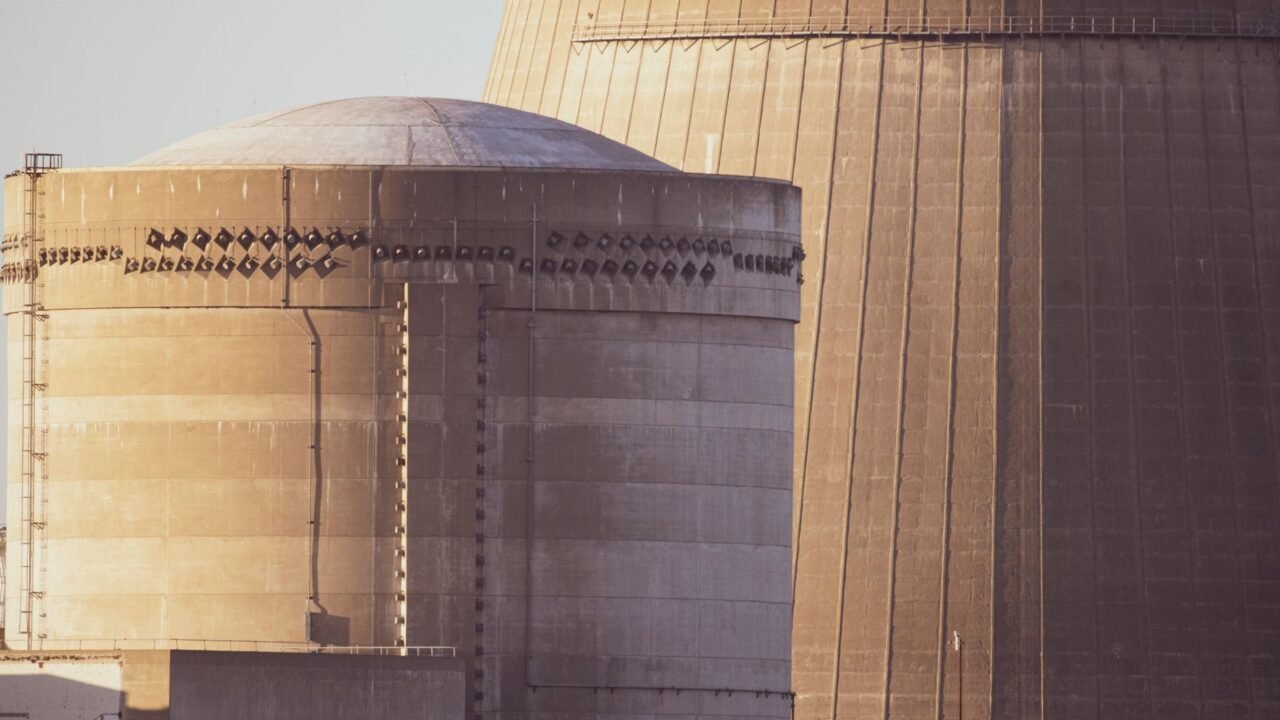
International efforts to revive the Iran nuclear deal have hit another significant roadblock, with the United States and its European allies expressing deep concern over Tehran’s latest positions. The ongoing impasse raises fresh questions about the future of the Joint Comprehensive Plan of Action (JCPOA) and the broader implications for regional and global security.
Sources indicate to Tahir Rihat that the Biden administration, alongside France, Germany, and the United Kingdom, has been engaged in intensive diplomatic discussions aimed at breaking the deadlock. However, these efforts have been met with what officials describe as a lack of constructive engagement from Iran. The core of the dispute remains Iran’s insistence on guarantees regarding future sanctions relief and its demands for assurances that a future U.S. administration would not withdraw from the agreement, a concern amplified by the previous U.S. withdrawal under President Trump.
The latest round of indirect talks, mediated by the European Union, has reportedly stalled over several key issues. While specific details remain closely guarded, it is understood that Iran is seeking a more robust commitment from the signatories regarding the lifting of sanctions, including those imposed by the Trump administration that were not directly related to the nuclear program. The U.S. and its allies, while willing to lift sanctions tied to the JCPOA, have been hesitant to commit to broader economic concessions without concrete steps from Iran to scale back its nuclear activities.
The urgency of the situation is underscored by Iran’s continued advancement of its nuclear program. Reports from international monitors suggest that Tehran has further enriched uranium to levels well beyond the limits stipulated in the original JCPOA. This progress, coupled with the ongoing diplomatic stalemate, fuels anxieties among Western powers and regional adversaries, particularly Israel, which has repeatedly warned against a nuclear-armed Iran.
The diplomatic maneuvering has also been complicated by domestic political considerations in both the U.S. and Iran. In the United States, there is significant political pressure to take a firm stance against Iran, particularly from Republican lawmakers who have been critical of any potential deal that they believe does not adequately address Iran’s ballistic missile program or its regional activities. In Iran, hardline factions have also been a significant factor, often advocating for a more assertive approach in negotiations and resisting concessions that could be perceived as capitulatory.
The international community is grappling with the potential consequences of a prolonged stalemate. A failure to reach an agreement could lead to a further escalation of tensions in the Middle East, potentially triggering a regional arms race. Israel, in particular, has made it clear that it will not allow Iran to acquire nuclear weapons and has hinted at the possibility of taking unilateral action if diplomatic avenues are exhausted. This has heightened concerns about a wider conflict involving Iran and its proxies in the region.
The Biden administration has consistently stated its preference for a diplomatic solution, emphasizing that a return to the JCPOA remains the most effective way to prevent Iran from obtaining a nuclear weapon. However, officials have also acknowledged that there are limits to the concessions they are willing to make and that they are exploring alternative strategies should diplomacy fail. These alternatives are not explicitly detailed but are understood to involve a combination of sanctions and increased international pressure.
The role of other international actors, including Russia and China, also remains a significant factor. Both countries have expressed support for the revival of the JCPOA but have also maintained their own complex relationships with Iran, which can influence the dynamics of the negotiations. Their stance on potential new sanctions or enforcement mechanisms could play a crucial role in shaping the outcome.
As the situation continues to evolve, the world watches closely to see if a breakthrough can be achieved or if the international community will be forced to confront a more dangerous and unpredictable future regarding Iran’s nuclear ambitions and its role in the Middle East.

Tahir Rihat (also known as Tahir Bilal) is an independent journalist, activist, and digital media professional from the Chenab Valley of Jammu and Kashmir, India. He is best known for his work as the Online Editor at The Chenab Times.
Leave a Reply