
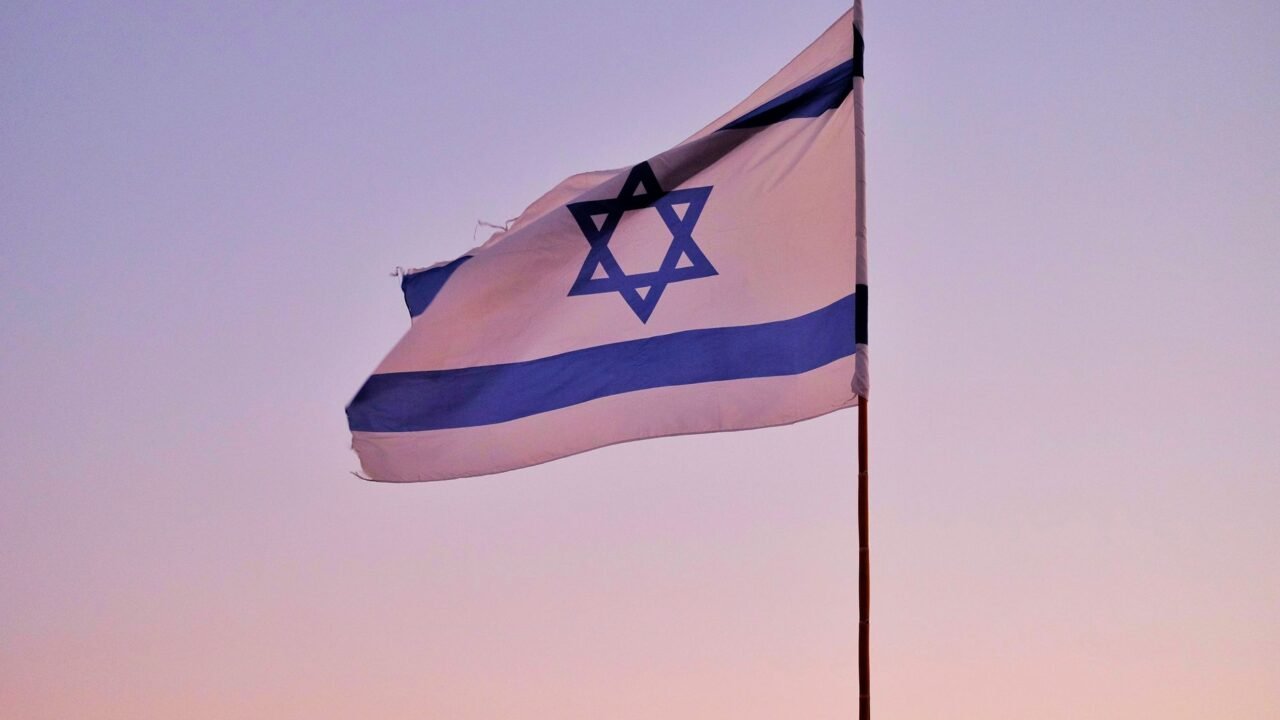
Jerusalem is grappling with a profound sense of shock and dismay following the unexpected announcement of a new deal with Iran, brokered by former President Donald Trump. The agreement, details of which are still emerging, has been met with immediate and widespread criticism from Israeli officials who argue it fails to address their core security concerns and potentially leaves the nation in a more precarious position. The sentiment within the Israeli security establishment is that the accord accomplishes none of the stated war aims that have guided the country’s policy towards Tehran for years, and in several critical areas, it may have exacerbated existing vulnerabilities.
Sources indicate to Tahir Rihat that the Israeli government, led by Prime Minister Benjamin Netanyahu, was blindsided by the development. For months, Israel has been advocating for a stringent agreement that would permanently dismantle Iran’s nuclear capabilities, halt its ballistic missile program, and cease its regional destabilization activities, particularly its support for proxy groups like Hezbollah and Hamas. The prevailing view in Jerusalem was that any deal must be comprehensive and verifiable, ensuring that Iran could not pursue a nuclear weapon under any circumstances. The reported terms of the Trump-brokered accord, however, appear to fall far short of these expectations.
The primary concern revolves around the perceived leniency of the deal concerning Iran’s nuclear ambitions. While specifics remain scarce, initial reports suggest that the agreement may not mandate the complete and irreversible dismantling of Iran’s nuclear infrastructure. This raises the specter of Iran retaining the capacity to quickly reconstitute its nuclear program in the future, a scenario that Israel has long vowed to prevent. The New York Times reported that the agreement accomplishes none of Israel’s stated war aims and arguably leaves the country in worse shape on each of them. This assessment reflects a deep-seated anxiety that the deal, rather than curbing Iran’s nuclear threat, might merely postpone it or even legitimize certain aspects of its program.
Furthermore, the accord’s approach to Iran’s ballistic missile program is reportedly another major point of contention. Israel has consistently highlighted the threat posed by Iran’s development and proliferation of advanced missile technology, which it views as a direct threat to its population centers. The absence of robust provisions to curb or eliminate this program is seen as a significant strategic failure, leaving Israel vulnerable to missile attacks. Information reaching Tahir Rihat suggests that the perceived lack of progress on this front is particularly galling for Israeli defense planners, who have invested heavily in missile defense systems.
The regional dimension of Iran’s activities also appears to be inadequately addressed by the new agreement. Israel has long sought an end to Iran’s funding and arming of proxy militias across the Middle East, which it views as a primary driver of regional instability and a direct threat to its security. The reported failure of the deal to compel Iran to cease its support for these groups means that the ongoing proxy conflicts, which have drawn Israel into numerous confrontations, are likely to persist. This leaves Israel facing the same multifaceted threats from its adversaries, potentially emboldened by a perceived international reprieve for Tehran.
The diplomatic fallout from this development is also significant. Israel had been working closely with its traditional allies, including the United States under the previous administration, to exert maximum pressure on Iran. The apparent unilateral action by former President Trump, without apparent consultation with key regional partners like Israel, has created a rift in diplomatic efforts. This has led to a sense of betrayal and uncertainty about the future of international cooperation in confronting Iran. The Israeli leadership is now faced with the daunting task of reassessing its strategy and seeking new avenues to safeguard its national security in a rapidly evolving geopolitical landscape.
The reaction from within Israel has been swift and overwhelmingly negative. Opposition leaders have joined the government in expressing grave concerns, underscoring a rare moment of national unity in condemning the perceived shortcomings of the deal. Security analysts and former military officials have voiced their alarm, warning that the agreement could embolden Iran and undermine decades of Israeli efforts to ensure regional stability. The public discourse is dominated by a sense of vulnerability and a questioning of the efficacy of international diplomacy when it comes to confronting existential threats.
The implications of this deal extend beyond the immediate security concerns. It raises questions about the future of the non-proliferation regime and the credibility of international agreements. If Iran is perceived to have secured a deal that allows it to maintain significant nuclear and missile capabilities while continuing its regional activities, it could set a dangerous precedent for other nations seeking to acquire weapons of mass destruction. Israel, as a nation that has long lived under the constant threat of annihilation, views this development with extreme gravity, seeing it as a potential setback for global security as much as for its own.
The coming days and weeks will be crucial as Israel attempts to fully comprehend the scope and impact of the new agreement. The government is expected to engage in intensive consultations with its security apparatus and its international partners to formulate a response. The immediate priority will be to understand precisely what concessions have been made by Iran and what assurances, if any, have been provided to Israel and its allies. The long-term consequences of this deal, particularly its impact on the balance of power in the Middle East, are yet to unfold, but the initial reaction from Jerusalem is one of profound disappointment and deep apprehension.

Tahir Rihat (also known as Tahir Bilal) is an independent journalist, activist, and digital media professional from the Chenab Valley of Jammu and Kashmir, India. He is best known for his work as the Online Editor at The Chenab Times.



Leave a Reply