
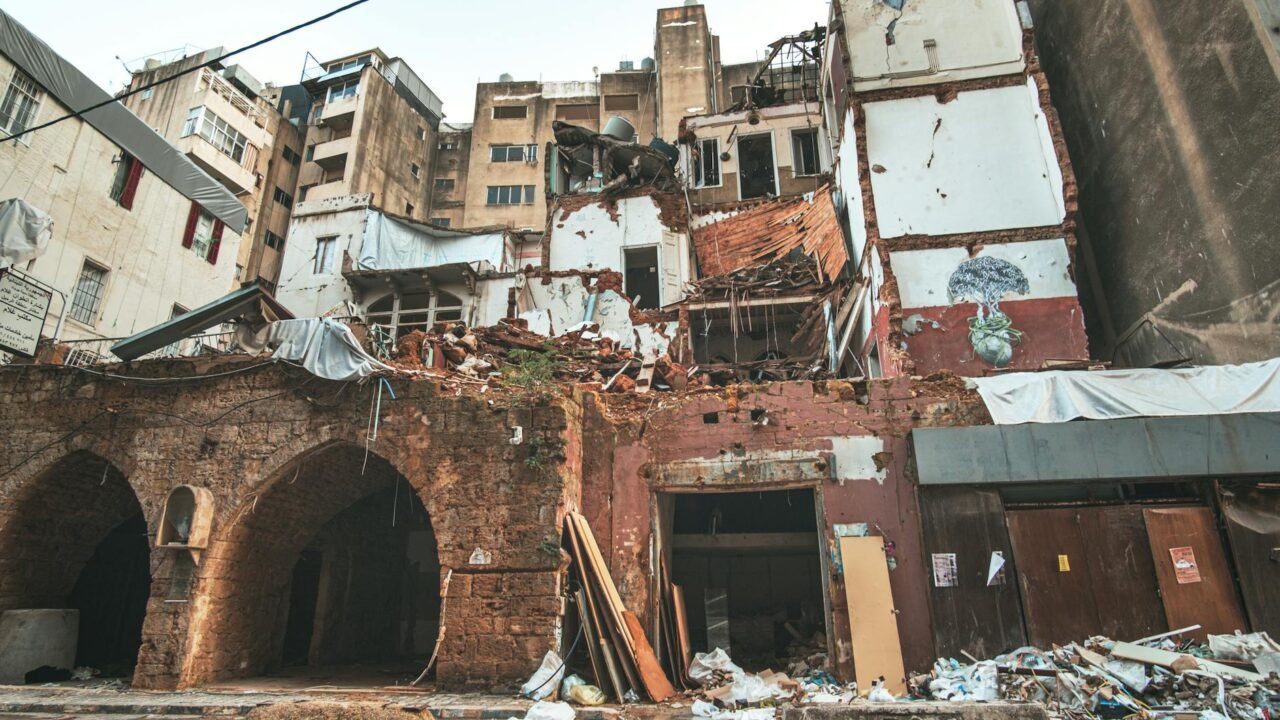
Israeli forces launched a significant bombardment on the Lebanese city of Tyre, a move that followed evacuation warnings issued for the entire urban area. This escalation occurred just a day after Iran declared its intention to retaliate against Israel should the offensive in southern Lebanon persist. The strikes on Tyre represent a notable intensification of the conflict, extending beyond the previously targeted outskirts of Beirut and into a major Lebanese population center.
Information reaching Tahir Rihat suggests that the Israeli military’s decision to target Tyre came after a period of heightened tensions and direct threats from Iran. The Iranian statement, indicating a willingness to attack Israel if its operations in southern Lebanon continued, appears to have been met with a forceful response rather than a de-escalation. The evacuation warnings for Tyre, a city with a substantial population, signaled that Israel anticipated a severe escalation of its operations in the region, potentially involving widespread strikes.
The targeting of Tyre, a significant port city in southern Lebanon, carries considerable implications. It suggests a potential shift in Israel’s military strategy, moving from operations focused on the immediate border areas and southern suburbs of Beirut to a broader engagement with Lebanese urban centers. This development raises concerns about civilian casualties and the potential for a wider regional conflict, especially given Iran’s explicit threat of retaliation. The faltering of a new cease-fire, as indicated by the continued Israeli offensive, further underscores the precarious state of regional stability.
The sequence of events, beginning with Iran’s warning and culminating in the strikes on Tyre, points to a dangerous cycle of escalation. The international community has been closely monitoring the situation, with many nations urging restraint and diplomatic solutions. However, the actions on the ground suggest that military objectives are currently taking precedence over de-escalation efforts. The Israeli military’s stated aim in southern Lebanon has been to dismantle Hezbollah’s infrastructure and capabilities, a goal that has led to sustained cross-border exchanges and now, seemingly, a more direct engagement with Lebanese cities.
The evacuation warnings themselves are a significant indicator of the scale of the anticipated military action. Issuing such warnings for an entire city like Tyre implies that the Israeli forces were preparing for operations that could pose a substantial risk to civilian life and infrastructure. The effectiveness and reach of these warnings, as well as the response from the civilian population and Lebanese authorities, will be crucial in determining the immediate human impact of the strikes. The city of Tyre, with its historical significance and dense population, presents a stark contrast to the more sparsely populated border regions or the southern suburbs of Beirut that have been the focus of earlier operations.
The Iranian threat of attack, if Israel continued its offensive in southern Lebanon, adds another layer of complexity and danger to the already volatile situation. Iran’s role as a major regional power and a key supporter of Hezbollah means that any direct confrontation between Iran and Israel would have far-reaching consequences. The timing of the strikes on Tyre, immediately following Iran’s declaration, could be interpreted as a deliberate challenge or a pre-emptive move by Israel, although official statements from either side would be needed to confirm such intentions. The international response to this potential direct confrontation between Iran and Israel will be critical in shaping the broader geopolitical landscape.
The faltering of a new cease-fire, as reported, is a particularly concerning development. Cease-fire agreements are typically fragile, but their collapse in the face of continued military action signals a strong commitment to pursuing military objectives, even at the risk of wider conflict. The specific terms of the cease-fire that failed, and the reasons for its collapse, are essential details that would provide further insight into the dynamics of the conflict. Without a functioning cease-fire, the likelihood of further escalation and increased civilian suffering remains high.
The military operations in southern Lebanon have been ongoing for some time, with both sides reporting casualties and significant damage. Israel has stated its objective is to ensure the security of its northern border, which has been subjected to frequent rocket attacks and incursions by Hezbollah. Hezbollah, in turn, has vowed to continue its resistance against what it describes as Israeli aggression. The current escalation, however, suggests that the conflict may be entering a new and more dangerous phase, with implications that extend beyond the immediate theater of operations in Lebanon.
The international community’s role in such a scenario is often multifaceted, involving diplomatic pressure, humanitarian aid, and, in some cases, attempts at mediation. The United Nations and various regional powers have been engaged in efforts to de-escalate the situation, but the recent events indicate that these efforts have not yet yielded the desired results. The continued military engagement, particularly the strikes on Tyre, will likely intensify calls for international intervention and a more robust diplomatic response to prevent a wider conflagration.
The economic and humanitarian consequences of such an escalation are also significant. Tyre, as a major city, is a hub for commerce and a home to a large population. The disruption of economic activity, displacement of civilians, and damage to infrastructure could have long-lasting effects on Lebanon’s already strained economy and social fabric. The humanitarian needs arising from such an event would require substantial international support and coordination.
The strategic implications of Israel’s actions in Tyre, especially in light of Iran’s threats, are profound. It could signal a willingness by Israel to engage in a more direct confrontation with Iranian-backed forces, potentially drawing Iran into a more overt military role. This would dramatically alter the regional balance of power and increase the risk of a broader Middle Eastern conflict. The coming days and weeks will be critical in determining the trajectory of this escalating crisis and its potential impact on regional and global security.

Tahir Rihat (also known as Tahir Bilal) is an independent journalist, activist, and digital media professional from the Chenab Valley of Jammu and Kashmir, India. He is best known for his work as the Online Editor at The Chenab Times.



Leave a Reply