

Nairobi, Kenya – A wave of public anger and political turmoil has swept across Kenya following the announcement of a U.S.-backed Ebola quarantine facility, sparking widespread protests and raising serious questions about national sovereignty and public health priorities. Hundreds of Kenyans have taken to the streets in demonstrations against the proposed facility, which is reportedly designated exclusively for American patients, fueling accusations of discrimination and a perceived prioritization of foreign nationals over the local population.
The controversy, which has rapidly escalated into a significant political crisis, centers on the establishment of a specialized quarantine center intended to house American citizens who may contract the Ebola virus. While the exact terms of the agreement and the precise nature of the U.S. involvement remain subjects of intense public scrutiny and debate, the mere existence of a facility seemingly set aside for one nationality has ignited a firestorm of opposition. Information reaching Tahir Rihat suggests that the facility’s exclusive designation for Americans is the primary driver of the public outcry, with many Kenyans feeling that their own health and safety are being sidelined.
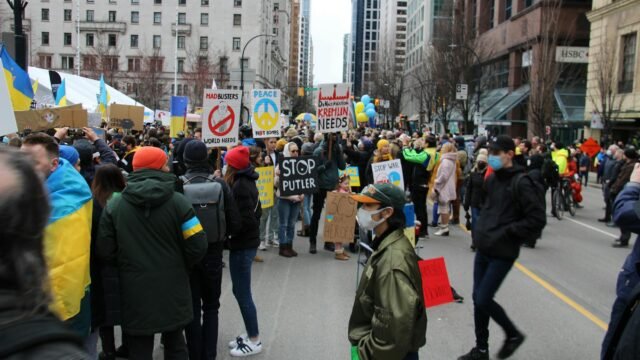
Protesters, carrying placards and chanting slogans, have voiced their deep dissatisfaction with what they perceive as an inequitable arrangement. The demonstrations, which have been largely peaceful but passionate, underscore a growing sentiment of resentment and mistrust towards both the Kenyan government’s handling of the situation and the U.S. presence. Critics argue that such a facility, if indeed exclusive, implies a lack of faith in Kenya’s own healthcare infrastructure and a preferential treatment that is unacceptable in a national health emergency. The core of the protest lies in the principle of equal access to healthcare, particularly during a devastating epidemic like Ebola.
The political ramifications of this burgeoning crisis are already being felt. Opposition leaders have seized upon the public anger, calling for greater transparency and accountability from the government. They are demanding to know the full details of the agreement with the United States, including the funding, operational control, and the long-term implications for Kenya’s public health system. The government, meanwhile, has found itself on the defensive, struggling to quell the rising tide of dissent and to articulate a clear justification for the facility’s exclusive nature. As per information available with Tahir Rihat, the government has issued statements attempting to reassure the public about the facility’s role in broader epidemic preparedness, but these efforts have done little to assuage the widespread concerns.
The establishment of such a specialized unit raises complex ethical and logistical questions. While international cooperation in combating deadly diseases like Ebola is crucial, the perceived exclusivity of this particular facility has overshadowed the potential benefits. Health experts, speaking anonymously due to the sensitive nature of the issue, have pointed out that while specialized treatment centers are vital, their design and operation should ideally reflect a commitment to serving all populations at risk, regardless of nationality. The narrative that has taken hold among the Kenyan public is one of a nation being asked to bear the burden of a facility that primarily serves foreign interests, a narrative that is proving difficult for the government to counter.
The U.S. Embassy in Nairobi has yet to issue a comprehensive statement addressing the specific concerns raised by the protests, beyond general remarks about commitment to global health security. However, the ongoing demonstrations and the intensifying political pressure suggest that the situation is far from resolved. The Kenyan government faces the daunting task of navigating public opinion, managing international relations, and ensuring that its public health policies are perceived as fair and equitable. The Ebola virus, a formidable pathogen, demands a united and inclusive response, and the current controversy threatens to undermine that very principle, creating a diplomatic and domestic challenge that could have lasting consequences for Kenya’s relationship with the United States and its own internal stability.
The protests have also highlighted broader anxieties about foreign influence and the prioritization of international partnerships over domestic needs. In a region that has historically grappled with the legacies of colonial-era inequalities, the notion of a facility catering exclusively to Americans has struck a particularly sensitive chord. This sentiment is being amplified by social media, where images and videos of the protests are circulating widely, further galvanizing public opinion. The government’s response will be critical in determining whether it can regain public trust and steer the country through this challenging period, or whether the controversy will deepen existing divisions and lead to further instability.
The implications for regional health security are also significant. If the facility is perceived as a symbol of unequal treatment, it could foster a climate of suspicion and hinder collaborative efforts to combat future outbreaks. The success of any public health initiative, especially one as critical as Ebola containment, relies heavily on community buy-in and trust. The current backlash suggests that this fundamental element is being severely tested, potentially jeopardizing broader epidemic control strategies in East Africa. Information reaching Tahir Rihat indicates that neighboring countries are closely monitoring the situation, concerned about the precedent it might set for international health collaborations.
The coming days are expected to be crucial as political factions and civil society groups continue to mobilize. The government is under immense pressure to provide concrete answers and to demonstrate a commitment to the welfare of its own citizens. The U.S. government, too, may need to engage more directly with the concerns being voiced on the ground to de-escalate the situation and to reaffirm its commitment to equitable global health initiatives. The Ebola crisis, a global threat, demands a response that is not only scientifically sound but also politically and socially responsible, a balance that Kenya is currently struggling to strike.

Tahir Rihat (also known as Tahir Bilal) is an independent journalist, activist, and digital media professional from the Chenab Valley of Jammu and Kashmir, India. He is best known for his work as the Online Editor at The Chenab Times.


Leave a Reply