
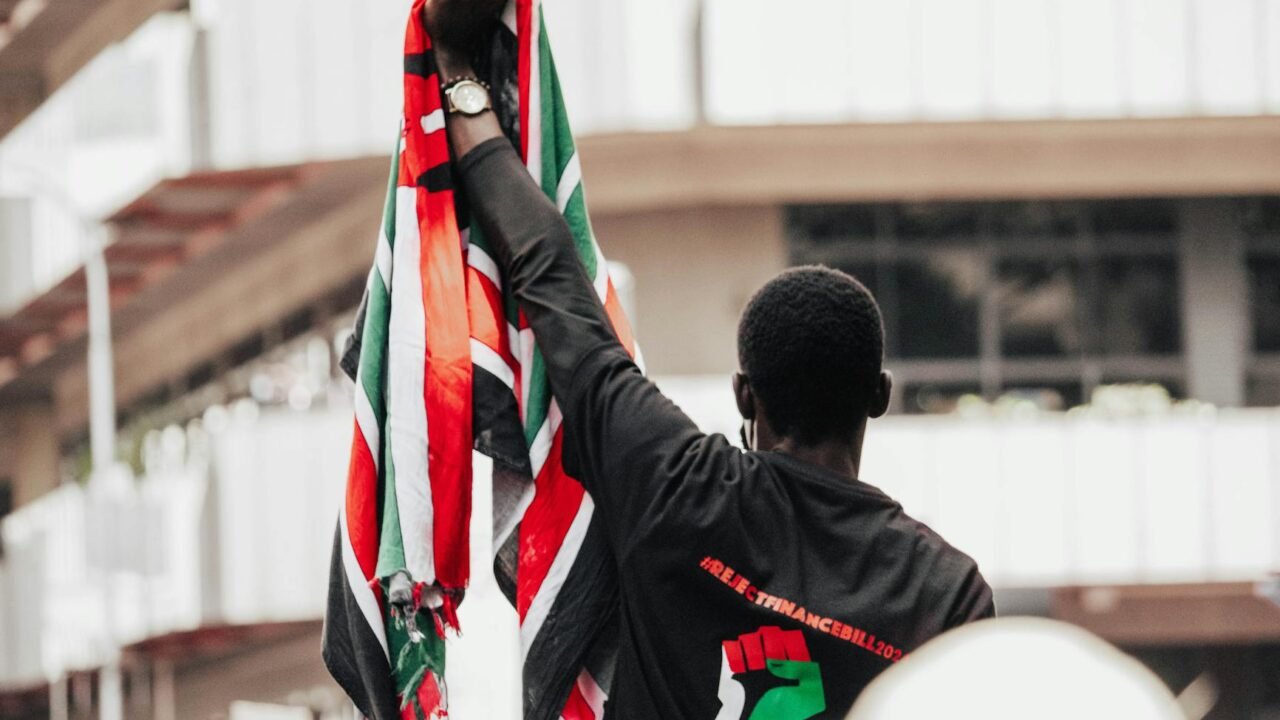
A Kenyan court has issued a new ruling that further postpones the implementation of a proposed U.S. quarantine unit designed to house Americans exposed to the Ebola virus. The decision marks another significant setback for the Trump administration’s plan, which has been met with considerable opposition and sparked widespread protests across Kenya.
The legal challenge, which has been ongoing, centers on the potential implications and legality of establishing such a facility. While the exact details of the court’s latest order were not immediately available, the ruling effectively halts any progress on the U.S. quarantine unit, at least for the immediate future. This development comes as the global health community remains vigilant against the spread of infectious diseases like Ebola, underscoring the complex interplay between public health initiatives and national sovereignty concerns.
Information reaching Tahir Rihat suggests that the protests in Kenya have been fueled by a range of concerns, including fears of potential virus transmission, the perceived lack of transparency surrounding the U.S. proposal, and broader anxieties about foreign intervention. Activists and local communities have voiced strong objections, arguing that such a facility could disproportionately impact certain regions or populations within Kenya. The court’s decision appears to acknowledge these public sentiments and legal arguments, prioritizing further review before any such facility can be established.
The U.S. Centers for Disease Control and Prevention (CDC) had previously outlined plans for the quarantine unit, emphasizing its role in managing potential outbreaks and ensuring the safety of American citizens abroad. However, the specifics of the facility’s location, operational protocols, and the extent of its integration with Kenyan health infrastructure have been subjects of intense scrutiny and debate. The court’s intervention suggests that these details, along with the broader legal framework governing such operations, require more thorough examination.
This legal and public relations challenge highlights the delicate balance required when international health organizations or foreign governments propose significant health infrastructure projects in host countries. While the stated intention is often to bolster global health security, local concerns regarding sovereignty, potential risks, and community impact must be addressed. The ongoing situation in Kenya serves as a case study in the complexities of such endeavors, where public opinion and legal challenges can significantly influence the trajectory of international health initiatives.
The court’s ruling is expected to prolong the uncertainty surrounding the U.S. quarantine unit, potentially delaying its operational readiness for an indefinite period. This could have implications for U.S. preparedness strategies in the region, should an Ebola outbreak occur and require immediate containment measures for its citizens. Meanwhile, the protests in Kenya underscore the importance of robust public consultation and adherence to national legal processes when implementing large-scale international health projects. The ongoing legal proceedings will likely be closely watched by public health officials and policymakers worldwide, as they navigate the challenges of international health cooperation in an era of heightened public awareness and scrutiny.
The specifics of the court’s decision and the grounds on which it was made will be crucial in understanding the future of the proposed U.S. Ebola unit. Legal experts in Kenya are reportedly analyzing the ruling, which could set precedents for similar international health collaborations in the future. The administration’s response to this latest setback will also be closely observed, as it seeks to balance its public health objectives with the need to respect local legal and political sensitivities. The situation remains fluid, with further legal and public responses anticipated.

Tahir Rihat (also known as Tahir Bilal) is an independent journalist, activist, and digital media professional from the Chenab Valley of Jammu and Kashmir, India. He is best known for his work as the Online Editor at The Chenab Times.





Leave a Reply