
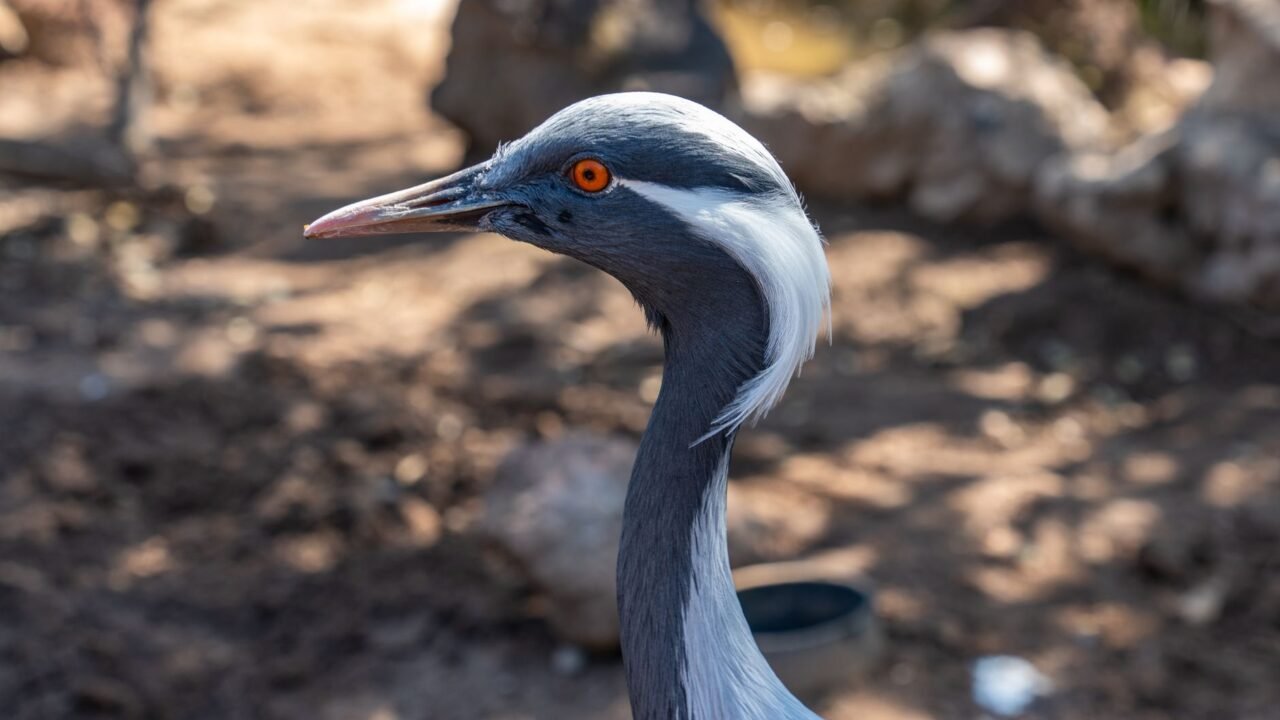
The administration of Ladakh is charting a course to elevate the Union Territory’s profile on the global conservation and tourism map with a proposed international festival dedicated to the black-necked crane. Officials have put forth a plan to organize a large-scale event in the second week of August, aiming to significantly bolster wildlife conservation efforts, foster a spirit of harmonious coexistence between human communities and the natural world, and promote nature-based livelihoods across the remote Changthang region.
This ambitious proposal was a central focus during a high-level meeting chaired by Ladakh Chief Secretary Ashish Kundra. During the deliberations, Mr. Kundra meticulously reviewed the preliminary plans for the festival, underscoring the critical importance of positioning Ladakh as a preeminent destination for both bird tourism and dedicated conservation initiatives. Information reaching TahirRihat.com suggests that the proposed festival, tentatively scheduled for the latter half of August in 2026, intends to serve as a vibrant celebration of the iconic black-necked crane, while simultaneously highlighting the profound ecological, cultural, and economic significance of Ladakh’s unique high-altitude wetland ecosystems.
The envisioned festival is designed to act as a crucial platform for amplifying conservation awareness, actively encouraging the adoption of sustainable tourism practices, and generating vital livelihood opportunities for the local communities who inhabit the often-isolated Changthang region. During the comprehensive meeting, officials presented a detailed overview that meticulously outlined the globally recognized importance of the Changthang wetlands ecosystem. This presentation also emphasized the symbolic role of the black-necked crane, portraying it as a powerful emblem of the delicate balance between biodiversity, cultural heritage, and spiritual significance within the broader Trans-Himalayan landscape. The officials further elaborated on the burgeoning global market for bird tourism, projecting potential revenue streams and drawing valuable lessons from the successful implementation of Bhutan’s own ‘Black-Necked Crane Festival’. The overarching vision behind Ladakh’s initiative was also thoroughly articulated, emphasizing a commitment to leveraging the region’s natural assets for sustainable development.
The proposal, as detailed by officials, includes a strategic plan for the development of five key crane-centric destinations within the Changthang area. These locations are slated to offer a rich array of experiences, including immersive birdwatching opportunities, insightful field visits, in-depth technical sessions, exhibitions showcasing local livelihoods, and engaging cultural programs. All these activities are meticulously designed to promote conservation awareness and encourage responsible tourism practices among visitors. Chief Secretary Kundra, in his remarks, strongly emphasized the immense and largely untapped potential of bird tourism as a rapidly growing global sector. He called for a strategic approach to harness Ladakh’s distinctive biodiversity assets in a manner that ensures long-term sustainability and minimal environmental impact. He specifically sought detailed information regarding the precise selection of festival dates, advocating for an alignment with the period that offers the most optimal conditions for crane sightings and maximizes visitor participation.
Furthermore, the Chief Secretary explored the feasibility of integrating a significant international component into the festival. This would aim to attract a diverse audience of researchers, dedicated conservationists, avid birdwatchers, professional photographers, and nature enthusiasts from both within India and across the globe. Emphasizing the need for a focused approach, Mr. Kundra stressed that the festival’s core identity should remain firmly rooted in the Changthang region. He issued clear directives to the organizing committees to ensure the active and meaningful participation of local communities, various conservation organizations, established birding groups, academic institutions, and all relevant tourism stakeholders. Highlighting the paramount importance of community-led conservation efforts, he articulated that the residents of the region should emerge as the primary beneficiaries of this initiative. To this end, he proposed the implementation of comprehensive training programs for local nature guides and birding interpreters, with a particular focus on empowering unemployed youth from the villages within Changthang.
Such targeted measures, he explained, would not only significantly enhance the overall visitor experience but also create sustainable and enduring livelihood opportunities for the local populace. Chief Secretary Kundra also placed a strong emphasis on the necessity of developing robust infrastructure to support the festival and its long-term objectives. This includes the establishment of dedicated bird-observation points, informative interpretation centers, significantly improved visitor amenities, and the development of eco-friendly accommodation facilities. The creation of clearly marked wildlife viewing sites was also deemed crucial for ensuring both visitor safety and the protection of the natural habitat. He directed the concerned government departments to diligently examine the possibilities for strengthening existing infrastructure at key locations such as Nyoma and Hanle, among others, to effectively support burgeoning nature tourism and vital research activities.
Recognizing the indispensable role of effective communication and outreach, the Chief Secretary mandated the development of a dedicated website for the proposed festival within a strict timeframe of one week. This online portal is intended to serve as a comprehensive resource, providing detailed information on all festival activities, essential travel arrangements, specific birdwatching opportunities, and immersive community-based tourism experiences. He further instructed the Tourism Department to proactively integrate content related to bird tourism and the black-necked crane prominently across all of Ladakh’s existing tourism promotion platforms, thereby maximizing visibility and attracting potential attendees.

Tahir Rihat (also known as Tahir Bilal) is an independent journalist, activist, and digital media professional from the Chenab Valley of Jammu and Kashmir, India. He is best known for his work as the Online Editor at The Chenab Times.




Leave a Reply