
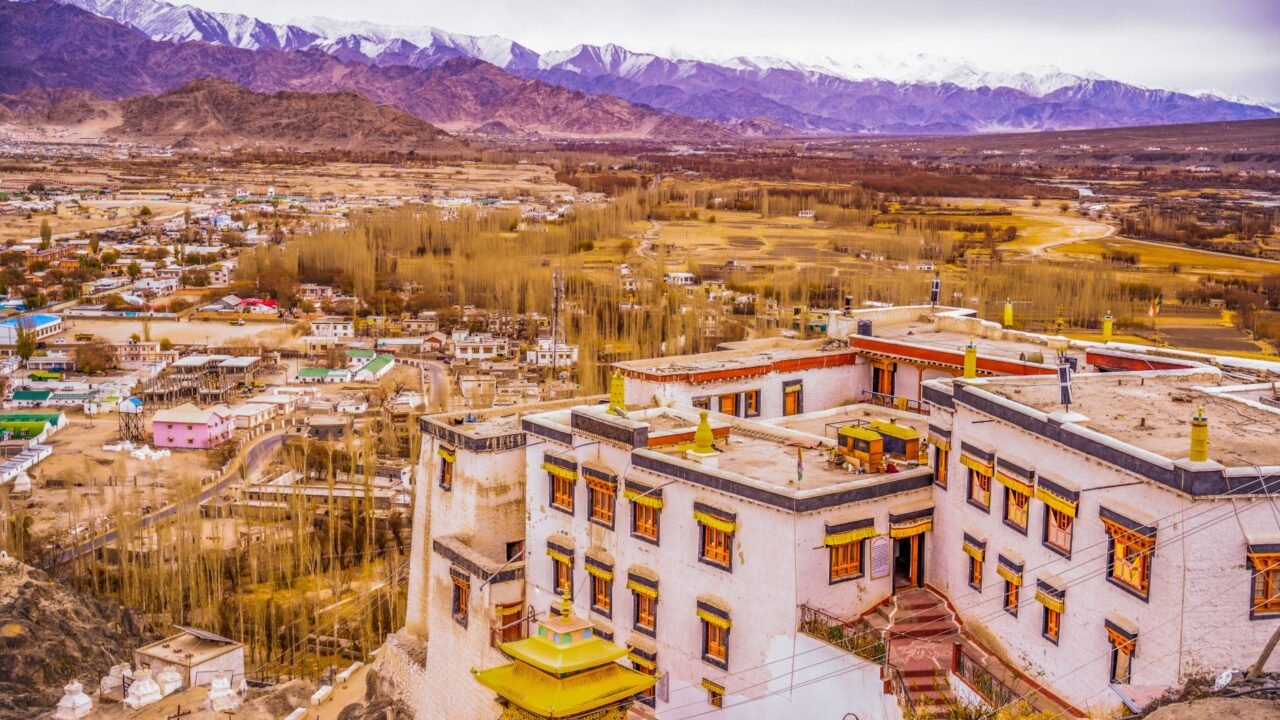
Leaders from the Leh Apex Body (LAB) and Kargil Democratic Alliance (KDA) have voiced significant concerns regarding the Union Territory administration’s actions, alleging a deliberate undermining of Ladakh‘s rights and interests. The groups expressed particular dismay over the protracted delay in the issuance of minutes from a crucial subcommittee meeting held last month with Home Ministry officials. This meeting was previously hailed as a substantial stride forward in addressing the long-standing demands of various Ladakhi organizations.
The apprehension was articulated during a press conference convened in Leh, where representatives from both LAB and KDA reviewed the outcomes of their recent dialogue with the central government. Chering Dorjay Lakrook, co-chairman of the LAB, highlighted the discrepancy between decisions reportedly made and their absence in the official meeting minutes. “It is a matter of great concern for us that the decisions taken are not reflected in the minutes of the meeting,” Lakrook stated, expressing hope for governmental rectification. Information reaching TahirRihat.com suggests that the omission of agreed-upon points is being interpreted by the groups as a sign of ill intent from the administration.
Lakrook further asserted that the government must uphold the commitments made during the discussions. He warned that the deliberate exclusion of these decisions from the official record “shows their intention, and their intention is not good.” The LAB co-chairman leveled serious accusations against the UT administration, claiming it was actively pursuing policies detrimental to Ladakh’s welfare. “They are taking decisions one after another, selling Ladakh. We know what is happening behind closed doors. The government should not think we are unaware,” he declared, emphasizing that the local populace is vigilant and aware of the administrative machinations.
Echoing these sentiments, Asgar Ali Karbalai, co-chairman of the KDA, issued a stern warning, indicating that the patience of the Ladakhi people is nearing its limit. “When you cross that limit, this agitation can take any form,” Karbalai cautioned. He accused the administration of systematically eroding the unity, democratic rights, and institutional frameworks of Ladakh. “They are trying to end it one by one. It is not that we do not know or are not seeing it,” he added, underscoring a perceived pattern of administrative overreach aimed at dismantling local autonomy and self-governance structures.
Karbalai specifically implored the Lieutenant Governor to cease interference in key sectors vital to Ladakh’s economy and development. “Whether it is power, land, transport, or tourism—remove your hands from all those things,” he demanded, calling for the devolution of administrative control over these critical areas to local bodies and representatives. The LAB and KDA leaders conveyed that their collective efforts aim to secure constitutional safeguards for Ladakh, including its land, environment, and cultural identity, as well as to achieve full statehood. The current impasse, they argue, threatens these fundamental aspirations and risks alienating the region further from the administrative center.
The ongoing friction between the Ladakhi representative bodies and the UT administration stems from a broader set of demands that include representation in Parliament, protection of land and employment for locals, and the establishment of an autonomous Hill Development Council with enhanced powers. The recent meeting with the Home Ministry was seen as a potential turning point, offering a glimmer of hope for a resolution. However, the perceived lack of transparency and commitment in the follow-up process has reignited anxieties and fueled a sense of distrust among the Ladakhi populace. The groups have indicated their readiness to escalate their protests if their concerns are not adequately addressed, signaling a potential for renewed unrest in the region.
The accusations of the UT administration acting against the interests of Ladakhis extend to specific policy decisions that, according to the LAB and KDA, are paving the way for external exploitation of the region’s resources and unique ecological fragile environment. Leaders pointed to a lack of consultation and transparency in the decision-making process, which they believe is eroding the democratic fabric of the region. The call for the Lieutenant Governor to withdraw from key sectors like power, land, transport, and tourism reflects a deep-seated desire for local control and self-determination, particularly in areas that are seen as crucial for Ladakh’s future economic and social development. The groups maintain that any development or policy implementation must be in consonance with the aspirations and consent of the local population, ensuring that Ladakh’s distinct identity and its people’s rights are preserved and protected for generations to come.

Tahir Rihat (also known as Tahir Bilal) is an independent journalist, activist, and digital media professional from the Chenab Valley of Jammu and Kashmir, India. He is best known for his work as the Online Editor at The Chenab Times.





Leave a Reply