
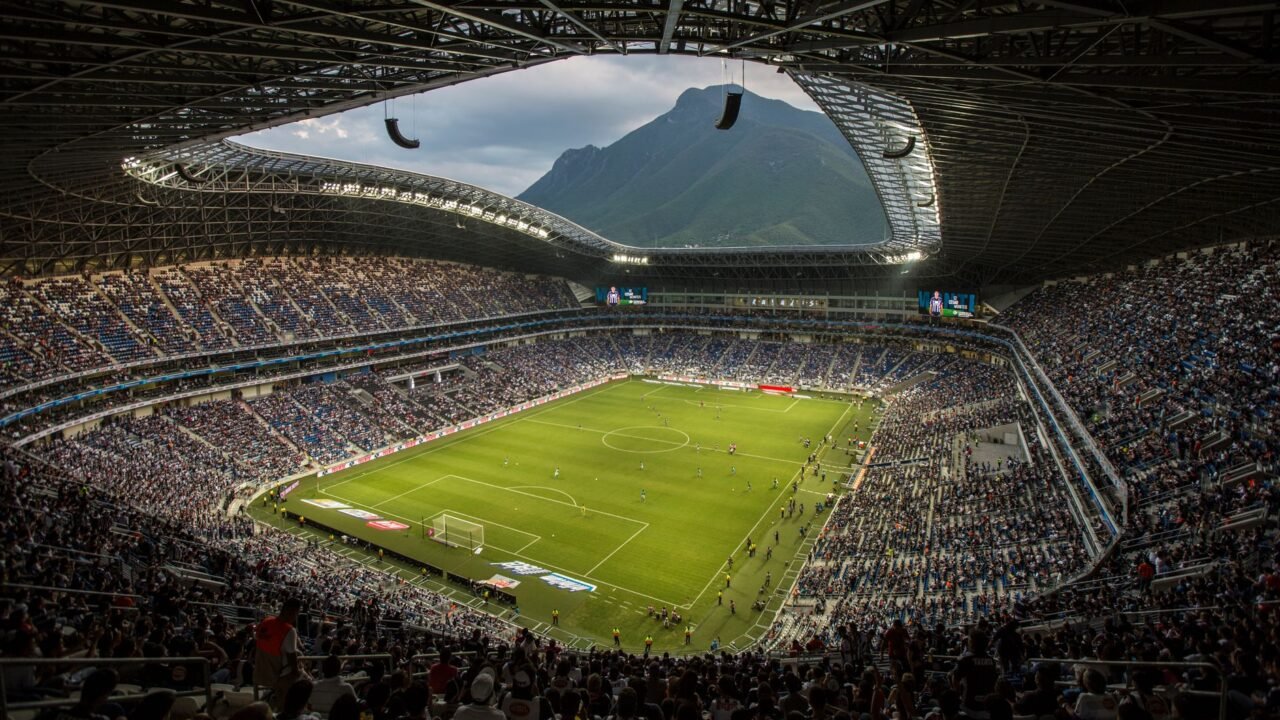
The highly anticipated arrival of the FIFA World Cup in Mexico City has been met with a significant wave of discontent among local fans, who are finding the ticket prices prohibitively expensive. This financial barrier is preventing many from attending the prestigious matches, despite the city’s deep-rooted passion for football. The exorbitant cost of admission has ignited widespread frustration, casting a shadow over the celebratory atmosphere that typically surrounds such a global sporting event. This situation is particularly poignant given the broader socio-economic context within which the tournament is unfolding.
Information reaching Tahir Rihat suggests that the cost of tickets for the opening game alone has become a major point of contention. Many long-time supporters and ordinary citizens who have dreamed of witnessing the World Cup live are now facing the stark reality that their participation is financially out of reach. This has led to a palpable sense of exclusion, with fans expressing their disappointment through various channels, including social media and local sports forums. The sentiment is that the commercialization of the event has overshadowed its spirit, prioritizing profit over accessibility for the very people who form the bedrock of the sport’s popularity.
The economic challenges faced by a significant portion of the Mexican population are amplified by the current ticket pricing strategy. While the allure of the World Cup is undeniable, the steep prices are creating a divide between those who can afford to attend and those who cannot. This disparity is not merely a matter of inconvenience; for many, it represents the inability to partake in a national event that holds immense cultural significance. The dream of experiencing the electrifying atmosphere of a World Cup match, cheering on their national team, is slipping away for countless individuals due to financial constraints. This has led to a growing debate about the accessibility of major sporting events and the balance between commercial interests and fan engagement.
The timing of these ticket price concerns is also noteworthy, as Mexico City has been the scene of weeks of ongoing protests. These demonstrations have been spearheaded by various groups, including teachers’ unions, who are voicing their grievances regarding pay and pension issues. The underlying sentiment of economic hardship and dissatisfaction with existing financial structures within the country provides a backdrop against which the high World Cup ticket prices are being viewed. Critics argue that in a climate where many are struggling with basic economic security, the astronomical cost of attending a football match appears tone-deaf and insensitive. The protests, while focused on different issues, collectively highlight a broader societal concern about economic inequality and the distribution of wealth.
The organizers of the World Cup, while aiming to deliver a world-class event, are now facing scrutiny over their pricing models. The expectation is that such a significant international tournament would be an inclusive affair, allowing a broad spectrum of fans to participate. However, the current reality suggests a more exclusive experience, accessible primarily to those with substantial disposable income. This raises questions about the long-term impact on fan loyalty and the overall perception of the sport when its most significant events become financially unattainable for the average supporter. The narrative emerging is one where the passion of the fans is being tested against the economic realities of attending a global spectacle.
The situation in Mexico City mirrors concerns that have been voiced in other host cities for major sporting events, where the rising cost of tickets has become a recurring theme. As the World Cup progresses, the economic accessibility of the games will likely remain a focal point of discussion, potentially influencing future event planning and pricing strategies. The challenge for organizers lies in balancing the need for revenue generation with the imperative to ensure that the spirit of the game remains accessible to its most ardent supporters. The current discontent in Mexico City serves as a stark reminder of this delicate equilibrium.
The passion for football in Mexico is undeniable, with a rich history of supporting the sport at all levels. This deep connection makes the current ticket price issue particularly sensitive. Fans who have grown up with the sport, who have supported their local clubs and the national team through thick and thin, are now being priced out of the biggest stage of all. This can lead to a sense of alienation and disillusionment, potentially impacting the long-term relationship between fans and the sport’s governing bodies. The economic realities are forcing a re-evaluation of what it means to be a fan in the era of mega-sporting events.
The protests occurring concurrently in Mexico City, though unrelated to the World Cup directly, underscore the prevailing economic anxieties within the country. The teachers’ unions’ complaints about pay and pensions reflect a broader struggle for economic justice and fair compensation. Against this backdrop, the high cost of World Cup tickets can be perceived as an exacerbation of existing inequalities, where essential services and public sector workers face financial strain while expensive entertainment remains within reach for a select few. This confluence of events amplifies the public’s sensitivity to issues of affordability and economic fairness.
The global nature of the World Cup means that such issues of ticket pricing and accessibility are not confined to Mexico City alone. However, the specific context of ongoing social and economic protests in the host city adds a layer of complexity and urgency to the fan discontent. It raises questions about how major sporting events are integrated into the social fabric of host nations and whether the economic benefits are equitably distributed. The narrative is evolving from one of pure sporting excitement to one that also encompasses socio-economic commentary on the realities faced by ordinary citizens.
The long-term implications of this pricing strategy could extend beyond the current tournament. If fans feel consistently excluded due to cost, it could lead to a decline in grassroots support and a shift in the demographic of attendees at future major sporting events. The organizers face the challenge of fostering a sense of inclusivity while ensuring the financial viability of hosting such a massive undertaking. The current situation in Mexico City presents a critical case study in the ongoing debate surrounding the economics of global sports and their impact on fan engagement and societal equity.

Tahir Rihat (also known as Tahir Bilal) is an independent journalist, activist, and digital media professional from the Chenab Valley of Jammu and Kashmir, India. He is best known for his work as the Online Editor at The Chenab Times.



Leave a Reply