
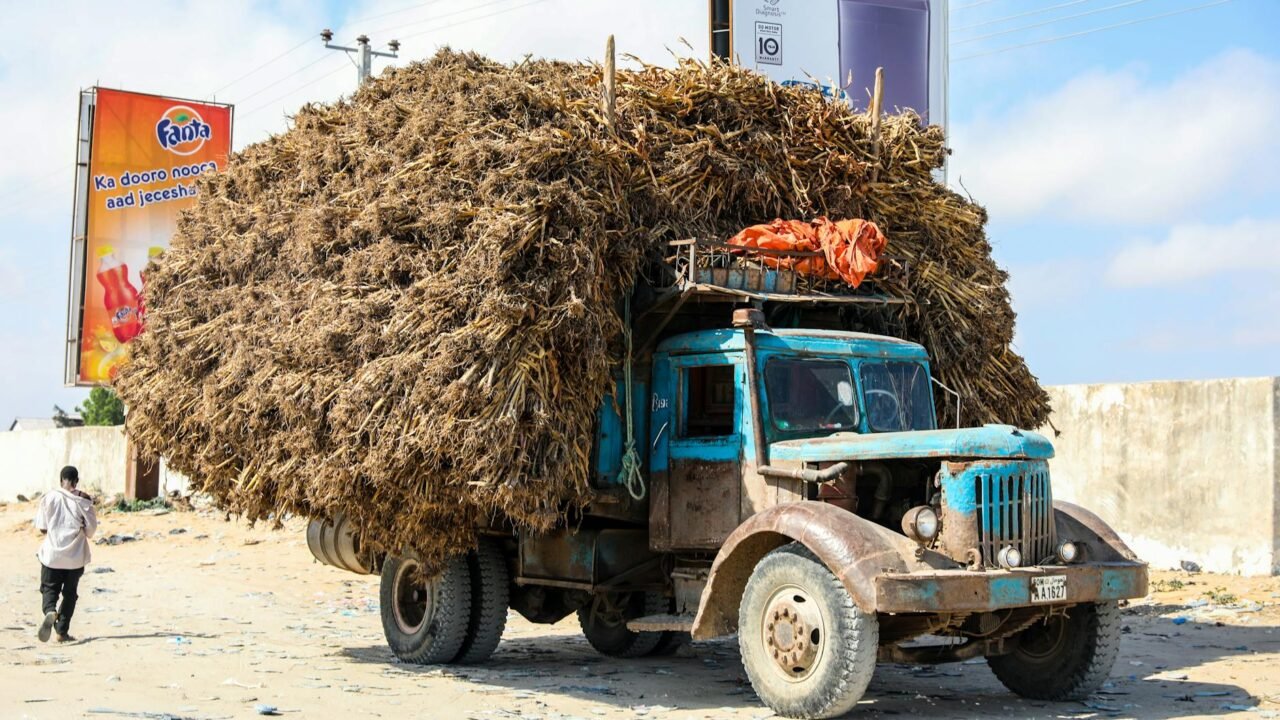
Mogadishu, Somalia’s capital, was engulfed in intense gun battles on Thursday, marking the most severe outbreak of violence in years. The clashes involved armed groups aligned with rival politicians, plunging the city into a state of heightened alert and fear among its residents.
The eruption of hostilities signifies a dangerous escalation in the ongoing political tensions within Somalia. Information reaching Tahir Rihat suggests that the confrontations were triggered by disputes between prominent political figures, leading their respective loyalties to engage in direct combat. The intensity of the fighting has raised serious concerns about the stability of the nation and the potential for wider conflict.
Witnesses described scenes of chaos and destruction as heavy weaponry echoed through the streets. Residents, caught in the crossfire, sought shelter in their homes, with many expressing deep apprehension about the escalating violence. The prolonged nature of the gunfights indicated a significant mobilization of armed factions, underscoring the deep divisions among the country’s political elite. The scale of the engagement suggests a breakdown in de-escalation efforts and a willingness by some factions to resort to force to assert their political positions.
The fighting in Mogadishu is not an isolated incident but rather a symptom of underlying political fragility that has plagued Somalia for decades. The nation has been striving to establish a stable and unified government following years of civil war and the rise of extremist groups. However, internal political rivalries have consistently hampered progress, creating a volatile environment where disputes can quickly devolve into armed conflict. The current clashes highlight the persistent challenges in consolidating power and ensuring national security amidst competing political interests.
The international community has often expressed concern over the security situation in Somalia, providing support for stabilization efforts and humanitarian aid. However, the recurring outbreaks of violence, particularly in the capital, underscore the deep-seated nature of the challenges. The ability of rival politicians to mobilize armed groups for direct confrontation raises questions about the effectiveness of existing security mechanisms and the rule of law within the country. The implications of such widespread internal conflict extend beyond Mogadishu, potentially destabilizing the broader region and impacting ongoing counter-terrorism efforts.
The immediate aftermath of the clashes is expected to see a surge in humanitarian needs, as displaced individuals and those affected by the violence require assistance. Access to essential services, including healthcare and food, may be severely disrupted. Furthermore, the economic impact of such intense fighting in the capital could be significant, deterring investment and hindering recovery efforts. The long-term consequences for Somalia’s political trajectory and its relationship with the international community will depend on how these immediate tensions are managed and whether a sustainable path towards political reconciliation can be found.
The situation remains fluid, with reports of ongoing skirmishes and a heavy security presence in affected areas. The full extent of casualties and damage is yet to be determined, but the severity of the fighting suggests a significant toll. As the dust settles, the focus will inevitably turn to the political ramifications and the urgent need for dialogue and de-escalation to prevent further bloodshed and restore order in Somalia’s beleaguered capital.

Tahir Rihat (also known as Tahir Bilal) is an independent journalist, activist, and digital media professional from the Chenab Valley of Jammu and Kashmir, India. He is best known for his work as the Online Editor at The Chenab Times.


Leave a Reply