
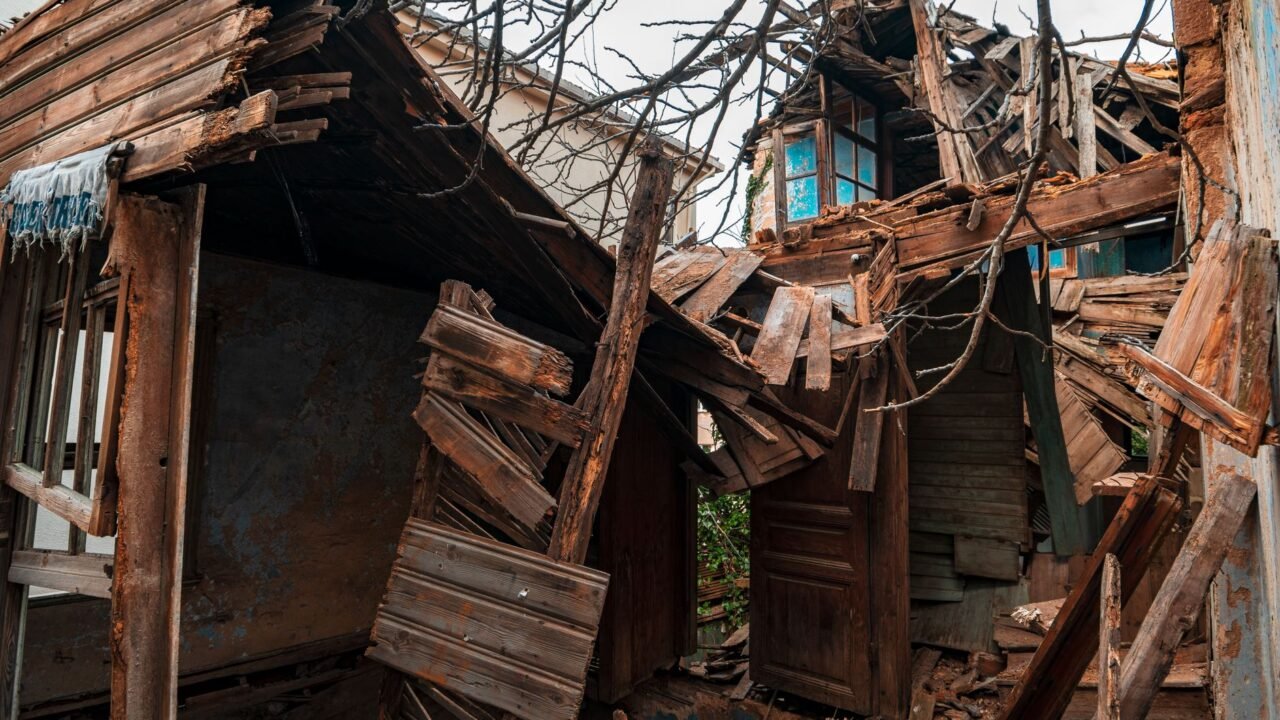
A powerful 7.8-magnitude earthquake struck off the coast of Mindanao in the Philippines, unleashing widespread destruction and triggering a deadly landslide that has claimed at least 32 lives. The seismic event, which occurred on Saturday, has left more than 100 individuals injured and tens of thousands displaced from their homes, according to initial reports. The sheer force of the earthquake caused significant damage across the region, with infrastructure and residential buildings bearing the brunt of the impact. Rescue efforts are underway, but the scale of the devastation is still being assessed as authorities grapple with the immediate aftermath.
Information reaching Tahir Rihat suggests that the earthquake’s epicenter was located offshore, contributing to the widespread shaking felt across the island. The ensuing landslide, a direct consequence of the intense tremors, has been particularly devastating, burying homes and trapping residents. Emergency services are working tirelessly to reach affected areas, many of which are now difficult to access due to damaged roads and bridges. The Philippine government has mobilized disaster response teams and is coordinating with local authorities to provide aid to those impacted by the catastrophe. The immediate focus is on search and rescue operations, followed by the provision of essential supplies such as food, water, and shelter to the displaced population.
The earthquake’s magnitude indicates a significant release of energy, capable of causing substantial damage even at considerable distances. The island of Mindanao, known for its diverse geography and populated areas, has experienced the full force of this natural disaster. The immediate aftermath has been characterized by chaos and a desperate scramble for safety, as residents fled damaged structures and sought higher ground in anticipation of potential aftershocks or other secondary hazards. The sheer number of displaced individuals presents a significant humanitarian challenge, requiring a coordinated and sustained response from both national and international bodies.
As the full extent of the damage becomes clearer, the long-term implications for the affected communities are becoming a growing concern. The destruction of homes and livelihoods will necessitate extensive rebuilding efforts, which could take years to complete. The economic impact on the region is also expected to be substantial, given the disruption to daily life and economic activities. The resilience of the Filipino people will be tested as they confront this immense challenge, with a collective effort required to overcome the devastation and rebuild their lives. The international community is expected to offer support as the Philippines navigates this critical period of recovery and reconstruction.

Tahir Rihat (also known as Tahir Bilal) is an independent journalist, activist, and digital media professional from the Chenab Valley of Jammu and Kashmir, India. He is best known for his work as the Online Editor at The Chenab Times.



Leave a Reply