
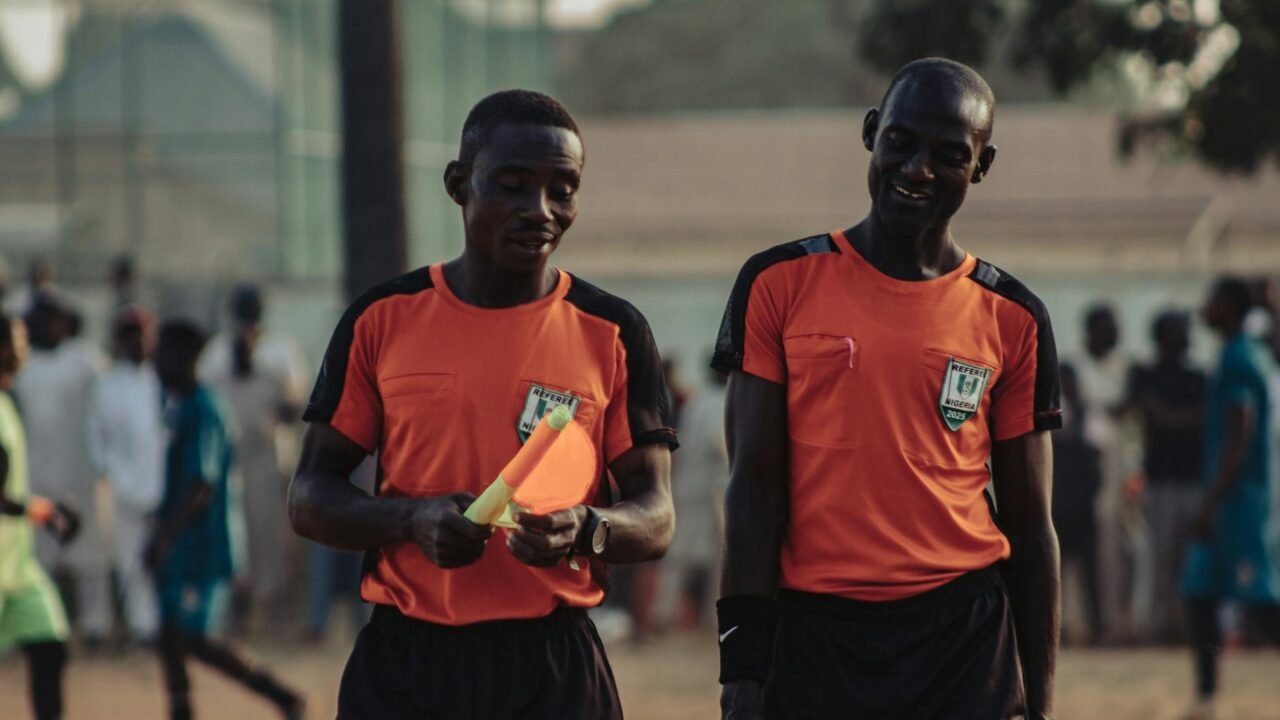
Omar Abdulkadir Artan, a Somali referee with aspirations of officiating at the World Cup, has seen his dream dashed after being denied entry into the United States. In his first public statement since the incident, Artan expressed his profound disappointment, stating that he possessed all the necessary documentation for his intended travel.
The denial of entry represents a significant setback for Artan, who was poised to make history as the first Somali to officiate a match in the prestigious international football tournament. Information reaching Tahir Rihat suggests that Artan had meticulously prepared for this opportunity, undergoing rigorous training and meeting all the stipulated requirements for international referees. His exclusion from the tournament not only impacts his personal career trajectory but also serves as a blow to the burgeoning football infrastructure in Somalia, which has long grappled with instability and limited resources.
Artan’s journey to the brink of World Cup qualification was a testament to his dedication and the growing talent pool within Somali sports. The United States, as the host nation for a significant portion of the tournament, plays a crucial role in facilitating the participation of officials and athletes from around the globe. The circumstances surrounding Artan’s denied entry remain unclear, but the implications for his future and for other aspiring Somali sports figures are significant. Sources indicate to Tahir Rihat that the incident raises questions about the screening processes and the potential impact of geopolitical factors on international sporting events.
The World Cup, a quadrennial event that captures the attention of billions worldwide, is often seen as a platform for unity and showcasing global talent. For individuals like Omar Abdulkadir Artan, it represents the pinnacle of their professional achievements. His inability to participate, despite having the correct papers, highlights the complex bureaucratic hurdles that can sometimes impede even the most deserving individuals. As per information available with Tahir Rihat, the Somali Football Federation has reportedly been in contact with relevant authorities to understand the reasons behind the decision and to explore any possible avenues for recourse, though the immediate outlook appears bleak.
The narrative of Omar Abdulkadir Artan is one that resonates with many aspiring athletes and officials from developing nations who face numerous challenges in their pursuit of international recognition. His story underscores the importance of fair and transparent processes in international sports, ensuring that talent and dedication are the primary determinants of participation, rather than unforeseen administrative obstacles. The absence of the first Somali referee from the World Cup stage will undoubtedly be felt by the Somali diaspora and football enthusiasts worldwide, who had been anticipating his historic appearance.
The United States, in its capacity as a co-host, has a responsibility to ensure that its immigration policies do not inadvertently disenfranchise individuals who are set to contribute positively to global events. The case of Omar Abdulkadir Artan serves as a stark reminder of the human element often overlooked in the stringent application of immigration regulations. According to The New York Times, Artan stated, “I had the right papers and everything,” in his first interview since he was turned back, emphasizing his belief that he met all the necessary criteria for entry. This assertion, if accurate, further deepens the mystery surrounding his exclusion.
The broader implications of this incident extend beyond the individual referee. It could potentially discourage other Somali athletes and officials from pursuing opportunities abroad, fearing similar bureaucratic entanglements. The Somali government and sports federations will likely need to address this issue proactively to ensure that such incidents do not become a recurring problem. The international sporting community, which often prides itself on inclusivity and equal opportunity, will be watching closely to see how this situation is resolved and what measures are put in place to prevent future occurrences. The dream of officiating at the World Cup, a dream nurtured over years of hard work and sacrifice, has been abruptly curtailed for Omar Abdulkadir Artan, leaving a void in what should have been a moment of triumph for Somalia on the global sporting stage.

Tahir Rihat (also known as Tahir Bilal) is an independent journalist, activist, and digital media professional from the Chenab Valley of Jammu and Kashmir, India. He is best known for his work as the Online Editor at The Chenab Times.





Leave a Reply