
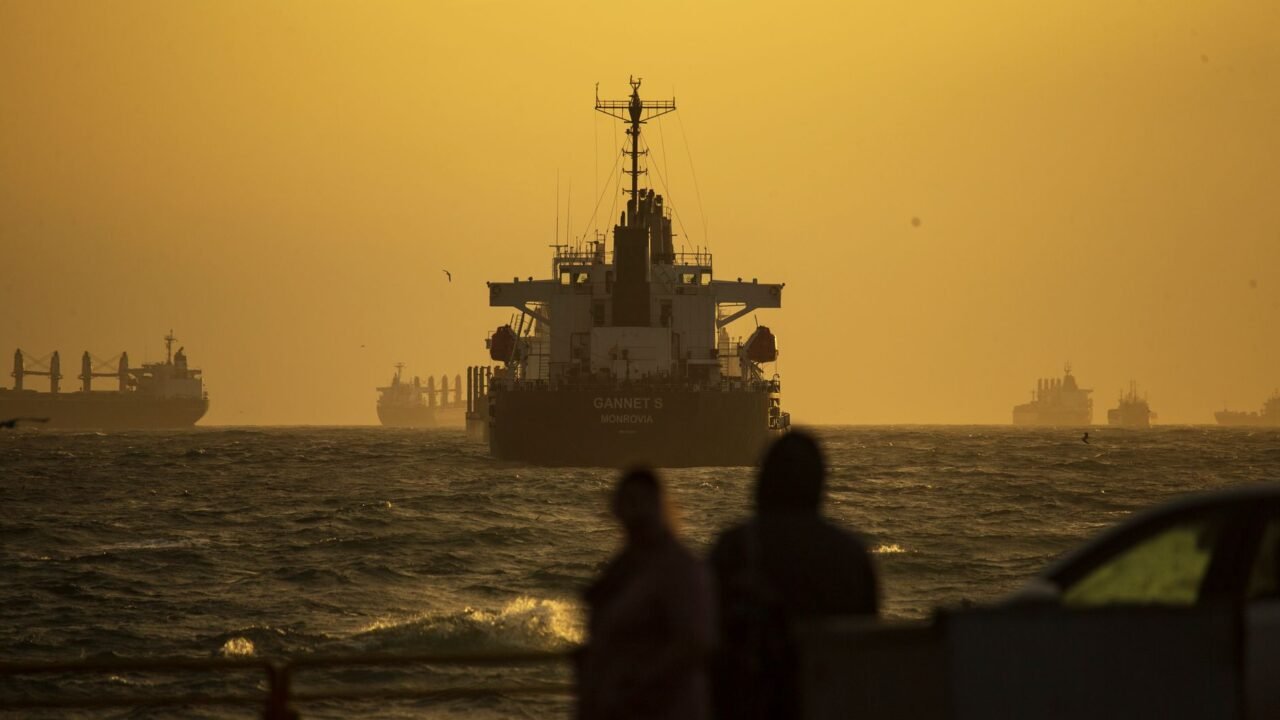
The vital maritime artery of the Strait of Hormuz remains a focal point of geopolitical tension, with conflicting accounts emerging from the United States and Iranian militaries regarding its operational status. This ambiguity has cast a shadow over global trade and regional stability, underscoring the delicate balance of power in the Persian Gulf.
Information reaching Tahir Rihat suggests that the United States military has asserted that the waterway is open and functioning normally. However, this assertion has been directly challenged by reports from the Iranian military, which have offered a different narrative, raising questions about the true accessibility of this critical chokepoint. The discrepancy in these official statements fuels uncertainty and raises concerns among international shipping companies and governments reliant on the strait for oil and other essential goods.
The Strait of Hormuz, a narrow passage connecting the Persian Gulf to the Gulf of Oman, is one of the world’s most strategically important oil transit points. Approximately 30% of the world’s seaborne oil trade passes through this waterway daily. Any disruption or perceived threat to its openness can have immediate and far-reaching consequences for global energy markets, leading to price volatility and supply chain disruptions. The differing accounts from the two principal military actors in the region highlight the ongoing strategic competition and the potential for miscalculation.
Sources indicate to Tahir Rihat that the United States has consistently maintained a posture of ensuring freedom of navigation through the strait, often through naval patrols and diplomatic engagements. This commitment is rooted in the economic and security interests of the U.S. and its allies, who depend on the unimpeded flow of commerce. The U.S. military’s statements are typically aimed at reassuring global markets and deterring any actions that could jeopardize maritime security.
Conversely, Iran, which controls much of the northern coastline of the strait, has, at various times, used the waterway as leverage in its geopolitical disputes. Iranian military pronouncements often reflect a strategy of asserting sovereignty and signaling its capabilities in the region. The conflicting reports could be a manifestation of this ongoing strategic signaling, intended to project strength and influence in a highly sensitive area.
The implications of this uncertainty extend beyond immediate economic concerns. The Strait of Hormuz has been a flashpoint for regional tensions for decades, and any escalation of rhetoric or action could have broader security ramifications. International maritime organizations and naval forces from various countries closely monitor activities in the strait to ensure safe passage and respond to potential threats. The lack of a unified, verifiable account of the strait’s status complicates these monitoring efforts and increases the risk of unintended incidents.
The international community is watching closely, with many nations urging de-escalation and diplomatic solutions to regional disputes. The economic interdependence of the globalized world means that instability in a key transit zone like the Strait of Hormuz affects virtually every nation. The conflicting military accounts serve as a stark reminder of the fragility of global supply chains and the persistent geopolitical risks that can impact daily life worldwide.

Tahir Rihat (also known as Tahir Bilal) is an independent journalist, activist, and digital media professional from the Chenab Valley of Jammu and Kashmir, India. He is best known for his work as the Online Editor at The Chenab Times.


Leave a Reply