
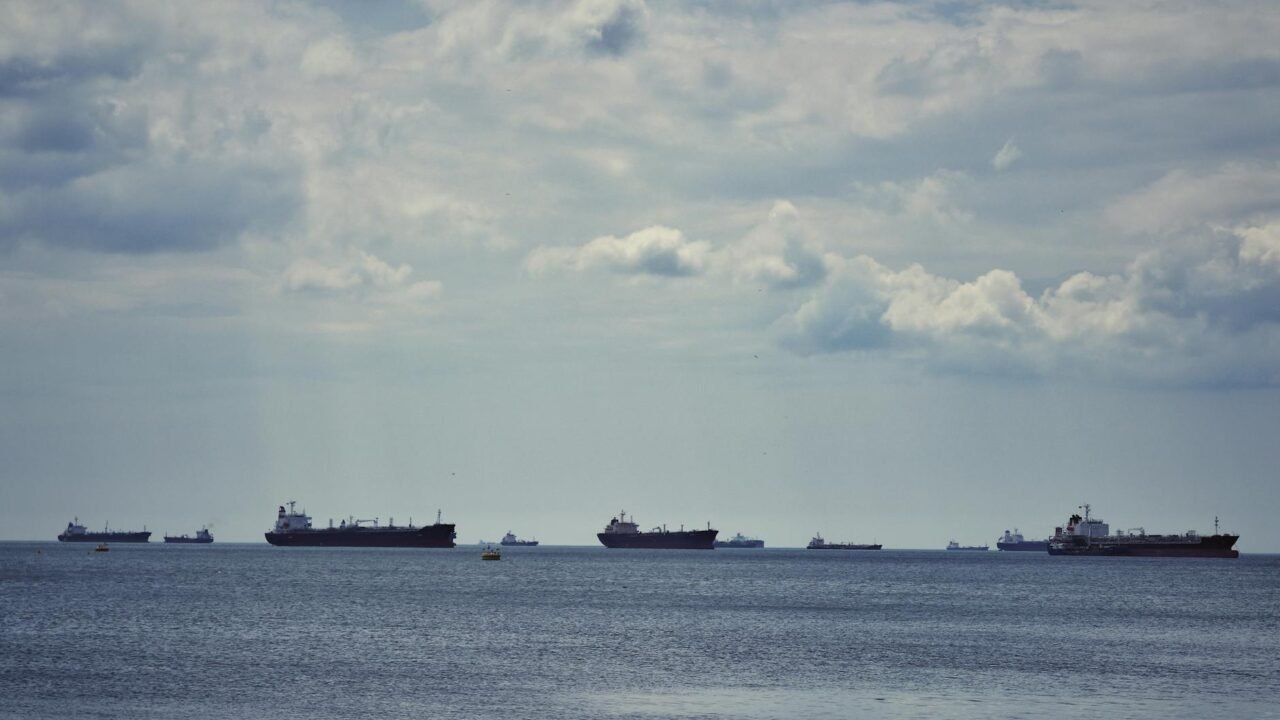
For two decades, Iran repeatedly issued warnings about its capacity to disrupt maritime traffic through the Strait of Hormuz, a critical global chokepoint. However, President Donald Trump, during his tenure, is reported to have underestimated Iran’s capability and resolve to act on these threats. This underestimation, according to intelligence assessments and reports, played a significant role in shaping the administration’s approach to Iran, particularly concerning the volatile geopolitical landscape of the Persian Gulf.
Information reaching Tahir Rihat suggests that while military and intelligence agencies were monitoring Iran’s evolving capabilities and its consistent rhetoric regarding the strait, the White House under Trump often downplayed the immediate or significant threat. The Strait of Hormuz, a narrow waterway connecting the Persian Gulf to the open ocean, is vital for the global energy supply, with a significant portion of the world’s oil shipments passing through it daily. Iran has long viewed its strategic position along this strait as a potent leverage point in its dealings with international powers, especially the United States.
The repeated threats from Tehran were not merely rhetorical pronouncements; they were often accompanied by military exercises and demonstrations of naval power in the region. These actions, intended to signal intent and capability, were reportedly not given the full weight they deserved by the then-President. The intelligence community, tasked with assessing these threats, provided analyses that highlighted Iran’s potential to employ asymmetric tactics, including the use of mines, fast-attack craft, and anti-ship missiles to impede or close the strait, even if only temporarily. However, the political calculus within the Trump administration appeared to prioritize other aspects of its Iran policy, such as the maximum pressure campaign aimed at curtailing Iran’s nuclear program and regional influence.
Sources indicate to Tahir Rihat that there was a disconnect between the assessments provided by intelligence agencies and the President’s perception of the threat. While the military was preparing contingency plans for various scenarios involving the Strait of Hormuz, the ultimate decision-making process seemed to be influenced by a belief that Iran would not dare to take such a drastic step, fearing the overwhelming retaliatory response from the United States. This perspective, according to former officials familiar with the matter, overlooked Iran’s willingness to absorb significant costs for perceived strategic gains, particularly in the face of what it viewed as existential pressure.
The implications of this underestimation were far-reaching. It may have emboldened Iran in certain actions, as it perceived less immediate risk of severe consequences for its assertive posture in the region. Conversely, it might have led to a less robust defensive posture or a delayed response to specific Iranian provocations that directly threatened maritime security. The narrative within the administration, as reported, often focused on Iran’s economic vulnerabilities rather than its military capabilities and strategic patience.
The repeated warnings from Iran about the Strait of Hormuz were not new. For years, Iranian officials, including military commanders, had publicly stated their ability to control the strait and disrupt oil flows. These statements were often made in the context of international sanctions or military tensions. However, the Trump administration’s approach seemed to treat these as bluster rather than a credible threat that required a more comprehensive and nuanced response. The focus on sanctions, while impactful economically, did not fully address the military dimension of Iran’s regional strategy.
The intelligence community’s assessments, as per information available with Tahir Rihat, often detailed Iran’s investments in naval mines, fast-attack boats equipped with anti-ship missiles, and the potential for drone swarms to overwhelm defenses. These capabilities, while not necessarily allowing Iran to permanently close the strait, could certainly cause significant disruptions, leading to surges in oil prices and global economic instability. The concern within intelligence circles was that even a temporary closure or severe disruption would have disproportionate global consequences, a fact that seemed to be less appreciated at the highest levels of the White House.
The administration’s policy towards Iran was characterized by a strong stance, including the withdrawal from the Iran nuclear deal and the imposition of stringent sanctions. While this policy aimed to isolate and pressure Iran, the handling of the Strait of Hormuz threat suggests a potential blind spot. The strategic importance of the strait means that any threat to its unimpeded flow of traffic is a matter of global concern, not just a regional issue. The intelligence community’s role was to provide accurate threat assessments, and the reported underestimation by the President meant that these assessments may not have fully translated into policy adjustments or a more proactive defense strategy for this critical maritime artery.
The long-standing nature of Iran’s threats to the Strait of Hormuz underscores a consistent strategic calculation by Tehran. The country has consistently signaled its willingness to use its geographic advantage as a deterrent and a tool of coercion. The fact that these warnings were repeatedly issued over a period of two decades, and were reportedly not fully heeded by the Trump administration, points to a potential misreading of Iran’s strategic objectives and its operational capabilities. This narrative, emerging from analyses of the period, highlights the complex interplay between intelligence, policy, and presidential perception in shaping international relations and security outcomes.
The operationalization of such threats by Iran would involve a coordinated effort to deploy mines, launch missile attacks from various platforms, and potentially use swarms of small, fast boats to overwhelm naval patrols. While the U.S. Navy maintains a significant presence in the region, the sheer volume of traffic and the narrowness of the strait present a formidable challenge for ensuring absolute security at all times. Intelligence reports, according to sources familiar with the matter, had outlined these potential scenarios with considerable detail, emphasizing the need for constant vigilance and preparedness.
The underestimation of Iran’s threat perception and its willingness to act, as reported, could have also influenced the broader regional security dynamics. Allies in the Persian Gulf, who are acutely aware of the threat posed by Iran, often looked to the United States for a strong and consistent response to Iranian assertiveness. If the U.S. administration appeared to be downplaying a significant threat, it could have created uncertainty among regional partners about the depth of American commitment to their security and the stability of the vital shipping lanes.
The Strait of Hormuz remains a critical nexus of global trade and energy security. The repeated warnings from Iran, and the reported dismissal of their gravity by the Trump administration, offer a case study in the challenges of threat assessment and policy formulation in a complex geopolitical environment. The intelligence gathered and the warnings issued, while present, did not appear to fully penetrate the decision-making apparatus in a way that might have altered the course of actions or the perceived level of risk associated with Iran’s capabilities in this vital waterway.

Tahir Rihat (also known as Tahir Bilal) is an independent journalist, activist, and digital media professional from the Chenab Valley of Jammu and Kashmir, India. He is best known for his work as the Online Editor at The Chenab Times.





Leave a Reply