
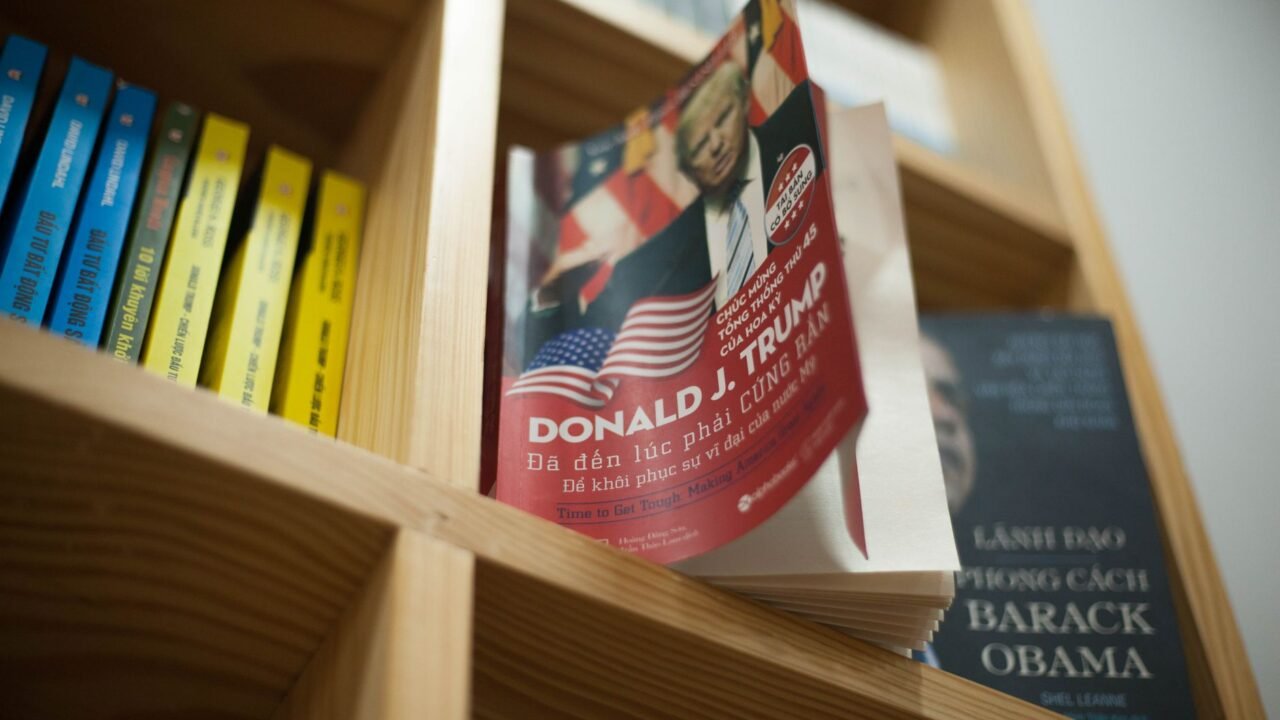
President Trump’s recently finalized agreement with Iran is drawing sharp criticism, with many observers characterizing its terms as a significant list of concessions granted to Tehran. The deal, details of which are still emerging, is poised to ignite a fierce political debate within the United States, raising questions about its long-term implications for regional stability and the president’s own standing. Information reaching Tahir Rihat suggests that the accord, brokered under duress and with a distinct lack of international consensus, has left allies scrambling to understand its scope and potential ramifications.
The core of the controversy appears to lie in the perceived imbalance of the agreement, which critics argue disproportionately benefits Iran without securing sufficient guarantees against its destabilizing activities. While the White House has touted the deal as a diplomatic achievement, the specifics being reported indicate a rollback of previous sanctions and a loosening of restrictions on Iran’s nuclear program, ostensibly in exchange for temporary suspensions of certain uranium enrichment activities. This approach has been met with skepticism by foreign policy experts and lawmakers who fear it emboldens Iran and undermines efforts to curb its influence in the Middle East.
Sources indicate to Tahir Rihat that the agreement’s structure, which reportedly reads like a series of demands met by the United States, is particularly concerning. The lack of transparency surrounding the negotiations and the swiftness with which the deal was concluded have fueled speculation about the underlying motivations and the potential for undisclosed compromises. The implications for international relations are profound, as the move deviates significantly from the established multilateral framework that governed previous nuclear discussions with Iran.
The political fallout within the United States is expected to be substantial. Opposition parties are already gearing up to challenge the president, arguing that the deal represents a strategic misstep that could embolden adversaries and weaken American credibility on the global stage. The narrative emerging from the administration, which emphasizes a pragmatic approach to de-escalation, is being countered by those who believe it signals a capitulation to Iranian demands. The coming weeks are likely to see intense scrutiny of the agreement’s provisions and a vigorous debate over its wisdom and efficacy.
Beyond the immediate political repercussions, the accord’s impact on regional security dynamics is a major point of concern. Countries in the Middle East, particularly Israel, have expressed deep reservations about any agreement that does not comprehensively address Iran’s ballistic missile program and its support for proxy militant groups. The prospect of a strengthened Iran, potentially with greater financial resources and fewer international constraints, is a scenario that many regional players view with alarm. The World Cup, scheduled to be held in Moscow, could become an unexpected stage for diplomatic maneuvering and public pronouncements related to this contentious issue, as global leaders converge.
The administration’s stated rationale for the agreement, as reported by various outlets, centers on preventing a nuclear-armed Iran through a pragmatic, albeit unconventional, diplomatic path. However, the details emerging suggest a departure from the stringent verification and enforcement mechanisms that characterized earlier international efforts. This has led to accusations that the president is prioritizing short-term political gains over long-term strategic objectives, potentially jeopardizing decades of diplomatic groundwork and security assurances.
The international community is also closely watching the developments. European allies, who were instrumental in negotiating previous agreements, are reportedly divided on the merits of the new accord. Some see it as a necessary step to avoid further escalation, while others echo the concerns of American critics, fearing that it could lead to a more volatile and unpredictable Middle East. The United Nations and its various agencies are expected to play a role in monitoring the implementation of the agreement, but their effectiveness may be hampered by the unilateral nature of its formation.
The president’s strategy appears to be a gamble, one that could either be hailed as a bold stroke of diplomacy or condemned as a dangerous miscalculation. The coming months will be critical in determining the true impact of this agreement, not only on Iran’s nuclear ambitions but also on the broader geopolitical landscape and the president’s legacy. The world is watching to see whether this controversial deal will usher in an era of reduced tensions or further inflame regional rivalries.

Tahir Rihat (also known as Tahir Bilal) is an independent journalist, activist, and digital media professional from the Chenab Valley of Jammu and Kashmir, India. He is best known for his work as the Online Editor at The Chenab Times.



Leave a Reply