
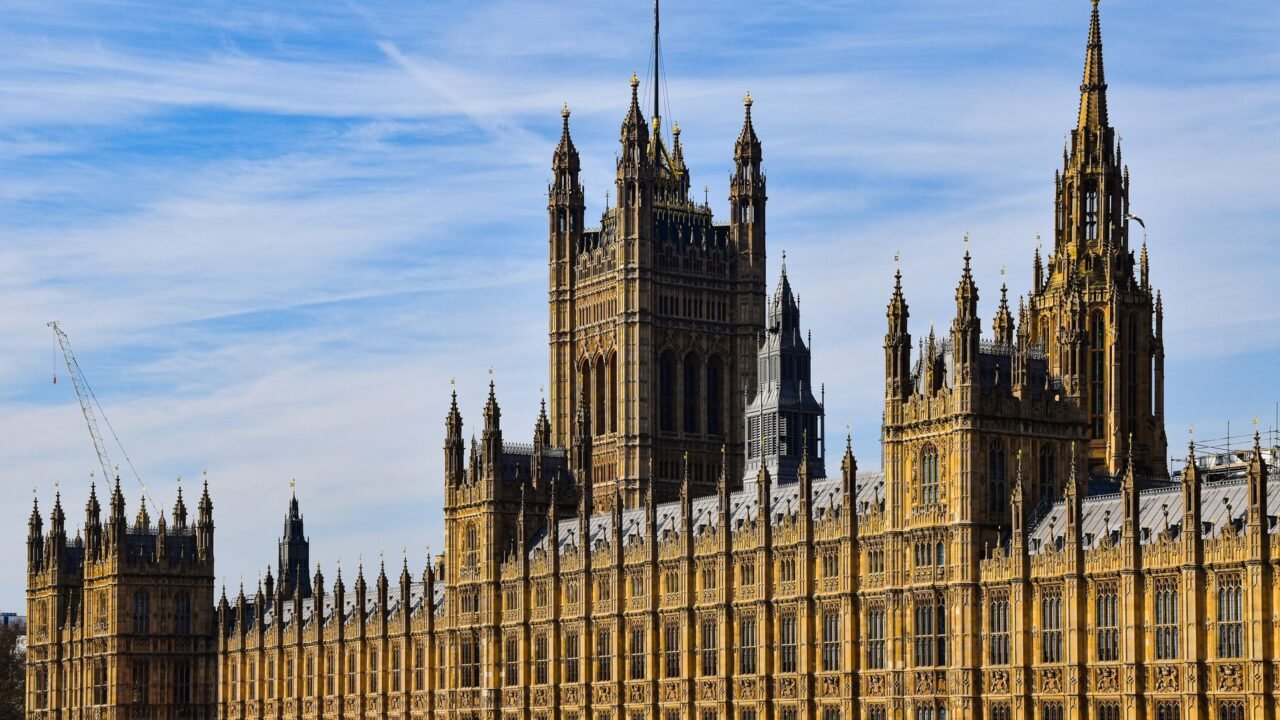
Keir Starmer, the current Prime Minister of the United Kingdom, has announced his resignation, a move that will trigger a significant shift in the country’s political landscape. His departure, expected in the coming weeks, is set to clear a path for Andy Burnham, the popular Labour Party mayor, to ascend to the nation’s highest political office. This development marks a pivotal moment for the Labour Party and the United Kingdom, as it prepares to welcome its seventh prime minister within the span of a decade.
The announcement by Starmer comes after a period of intense political speculation and follows a series of challenges within the party. While the specific reasons for his resignation have not been fully detailed, the timing suggests a strategic decision to allow for a smooth transition of leadership. Information reaching Tahir Rihat suggests that the move is intended to unify the Labour Party ahead of future electoral challenges and to present a fresh face to the electorate. Starmer’s tenure has been marked by efforts to reposition the Labour Party following significant electoral defeats, and his resignation signals the end of an era for the party’s current leadership.
Andy Burnham, currently serving as the Mayor of Greater Manchester, has long been considered a prominent figure within the Labour Party, known for his strong public profile and his success in local governance. His potential ascent to the premiership is viewed by many as a move that could energize the party’s base and appeal to a broader range of voters. Burnham has been a vocal critic of the current government’s policies and has often spoken about the need for a more equitable distribution of wealth and opportunity across the United Kingdom. His leadership style, characterized by a focus on public services and regional development, has garnered significant support in his mayoral role, leading many to believe he possesses the necessary qualities to lead the nation.
The transition of power from Starmer to Burnham is expected to be closely watched by both domestic and international observers. The United Kingdom is navigating a complex period, with ongoing economic challenges, evolving international relations, and domestic policy debates. The new leadership will face the immediate task of addressing these issues and setting the country’s direction. The political maneuvering and internal discussions within the Labour Party leading up to Burnham’s potential premiership will be crucial in determining the unity and strength of the party as it prepares to govern. The coming weeks will likely see intense debate and strategizing as the party prepares for this significant leadership change. The implications of this shift extend beyond the Labour Party, as it will undoubtedly influence the broader political discourse and the strategies of opposition parties.
Burnham’s rise to prominence has been a steady one, marked by his previous roles as a Member of Parliament and a cabinet minister in the shadow government. His experience in national politics, combined with his recent success as a mayor, positions him as a formidable candidate for the prime ministership. His supporters point to his ability to connect with ordinary people and his commitment to addressing the concerns of working-class communities as key strengths. As the political landscape shifts, the focus will now turn to how Burnham plans to unite the Labour Party and present a compelling vision for the future of the United Kingdom to the nation. The challenges ahead are substantial, but the prospect of a new leader at the helm offers a potential for renewed political energy and a re-evaluation of national priorities. The coming weeks will be critical in shaping the narrative and expectations surrounding his potential leadership, and the broader impact on British politics will be a subject of intense scrutiny.
The resignation of a sitting Prime Minister is always a significant event, and Starmer’s departure is no exception. It signals a moment of introspection and potential redirection for the Labour Party. The decision to step down now, rather than facing further internal pressures or a potential leadership challenge, suggests a desire to control the narrative and ensure a stable handover. The political analysts will be dissecting the motivations behind Starmer’s decision and the strategic implications for the Labour Party’s electoral prospects. The role of Andy Burnham as a potential successor has been a topic of discussion for some time, and his emergence as the likely candidate to fill the void left by Starmer’s resignation is a development that many in the party have anticipated. His ability to translate his success at the local level to the national stage will be a key test of his leadership capabilities. The political climate in the UK is often volatile, and the coming months will be crucial in determining the impact of this leadership change on the country’s political trajectory and its standing on the international stage.
The process of selecting a new leader within the Labour Party will be closely observed. While Burnham appears to be the frontrunner, the internal dynamics of the party will play a significant role in the final outcome. The party’s constitution and internal rules will dictate the formal procedures for electing a new leader, and it is anticipated that this process will be swift given the urgency of the situation. The media coverage of this transition will be extensive, with a focus on the policy platforms of the potential leaders and their vision for the country. The economic policies, social reforms, and foreign policy stances that emerge from this new leadership will be of paramount importance to the nation’s future. The international community will also be watching closely, as the United Kingdom remains a key player on the global stage, and any change in leadership can have ripple effects on international relations and trade agreements. The coming period is thus one of considerable political significance, not just for the Labour Party, but for the United Kingdom as a whole.

Tahir Rihat (also known as Tahir Bilal) is an independent journalist, activist, and digital media professional from the Chenab Valley of Jammu and Kashmir, India. He is best known for his work as the Online Editor at The Chenab Times.





Leave a Reply