
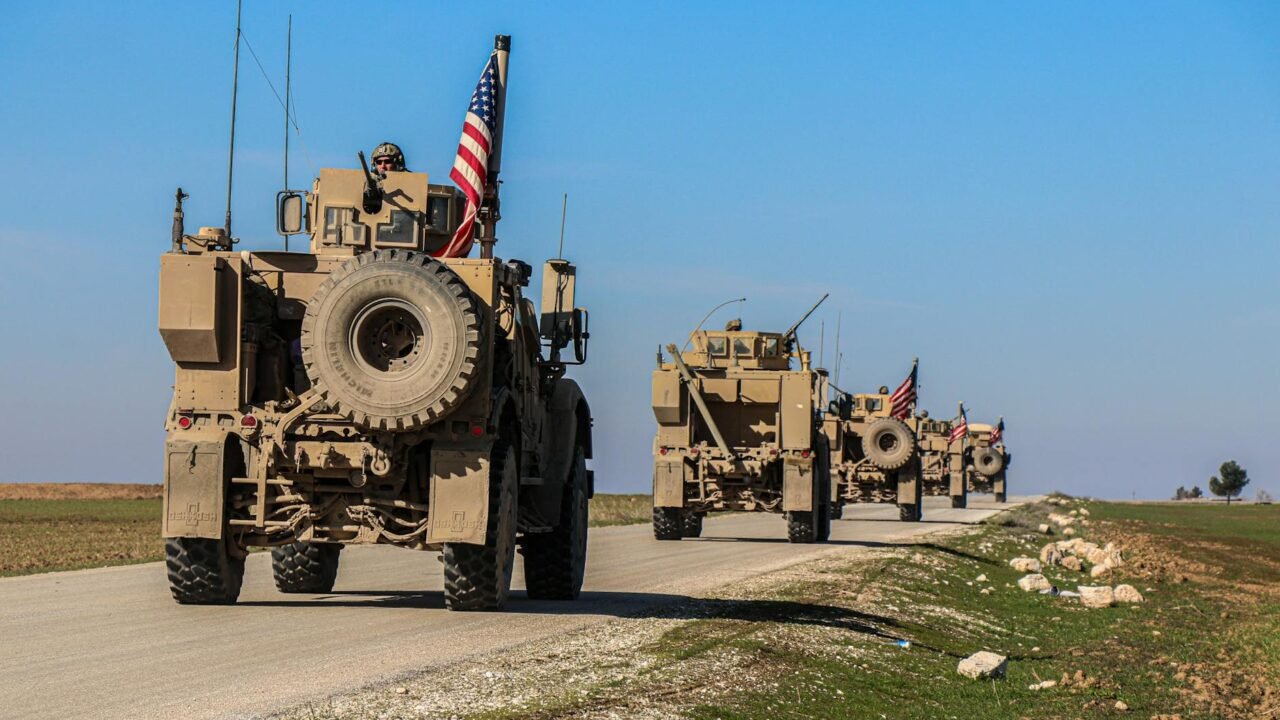
The United States military has announced it conducted a series of strikes against military targets in southern Iran over the weekend, characterizing the actions as “self-defense strikes.” This move by U.S. Central Command has been met with a retaliatory response from Iran, with the Iranian military stating it targeted a base in retaliation for the American actions.
The exchange of attacks marks a significant escalation in the already volatile geopolitical landscape of the Middle East. While specific details regarding the targets and the extent of damage remain limited, the reciprocal strikes underscore the deepening confrontation between Washington and Tehran. Information reaching Tahir Rihat suggests that the recent military engagements are part of a broader pattern of heightened tensions that have been simmering in the region for some time, fueled by a complex web of political, economic, and security concerns.
The U.S. Central Command’s statement, as reported by The New York Times, indicated that the strikes were a direct response to perceived threats. The nature of these threats and the intelligence underpinning the U.S. decision to launch these strikes are crucial elements in understanding the immediate context of the escalation. The Iranian military’s swift declaration of a retaliatory strike highlights a clear intent to respond forcefully to perceived aggression, potentially drawing the region further into a cycle of conflict.
This latest development comes at a time when international observers are closely monitoring the strategic waterways and the broader implications for global stability. The Strait of Hormuz, a critical chokepoint for global oil trade, has previously been identified as a potential flashpoint, and any disruption in this area could have far-reaching economic consequences. The ongoing friction between the U.S. and Iran has the potential to destabilize regional security alliances and impact international efforts to de-escalate conflicts in neighboring areas.
The United States has consistently maintained a posture of deterring Iranian aggression, particularly in relation to its support for various proxy groups and its nuclear program. Iran, on the other hand, views U.S. military presence and actions in the region as provocations. This dynamic has created a precarious balance, where miscalculations or unintended escalations can quickly spiral into direct confrontations.
The international community is likely to be watching closely for any further statements from both governments and for signs of diplomatic engagement aimed at de-escalating the situation. The potential for wider conflict in the Middle East remains a significant concern, with implications for not only the immediate region but also for global energy markets and international relations. The current trajectory suggests a period of heightened alert and uncertainty, as both sides assess the consequences of their recent actions and consider their next moves in this ongoing strategic contest.
The U.S. Central Command’s assertion of conducting “self-defense strikes” implies a belief that imminent threats necessitated preemptive action. The specifics of what constituted these threats are not elaborated upon in the initial reports, but such justifications are often central to the international legal and political discourse surrounding military interventions. The Iranian military’s subsequent announcement of targeting a base in retaliation frames their actions as a direct response, aiming to restore a perceived balance of power or deter further U.S. actions.
The interconnectedness of regional security issues means that any significant military engagement between the U.S. and Iran can have ripple effects across multiple fronts. This includes the potential for increased activity by Iran-backed groups in other parts of the Middle East, further complicating existing conflicts and humanitarian crises. The International Monetary Fund (IMF) has previously warned about the potential for Middle East conflicts to slow global economic growth, a concern that is likely to be amplified by this latest round of attacks.
The strategic implications of these exchanges are multifaceted. For the United States, maintaining freedom of navigation and deterring perceived threats to its allies and interests in the region are paramount. For Iran, asserting its sovereignty, responding to perceived external interference, and projecting regional influence are key objectives. The current exchange of fire suggests that these competing objectives are increasingly leading to direct military confrontations, rather than being managed through proxy conflicts or diplomatic channels.
The lack of immediate, detailed information from both sides regarding the precise nature of the targets, the weaponry used, and the casualties, if any, is typical of such high-stakes military exchanges. This information vacuum often fuels speculation and can contribute to further anxiety and uncertainty in the region and beyond. As the situation develops, further reporting will be crucial to understanding the full scope and consequences of these latest attacks.
The global economic implications are also a significant consideration. Any sustained escalation in the Persian Gulf region could lead to disruptions in oil supply, impacting global energy prices and potentially triggering inflation. Businesses and governments worldwide will be closely monitoring the situation for any signs of further instability that could affect trade and economic recovery efforts. The interconnected nature of the global economy means that regional conflicts can quickly translate into global economic challenges.
The political ramifications are equally profound. The U.S. administration’s approach to Iran has been a central tenet of its foreign policy, and these actions will likely be scrutinized both domestically and internationally. Similarly, Iran’s response will be viewed through the lens of its broader regional strategy and its relationship with other global powers. The ongoing narrative of confrontation between the two nations continues to shape diplomatic efforts and security calculations across the Middle East.

Tahir Rihat (also known as Tahir Bilal) is an independent journalist, activist, and digital media professional from the Chenab Valley of Jammu and Kashmir, India. He is best known for his work as the Online Editor at The Chenab Times.


Leave a Reply