
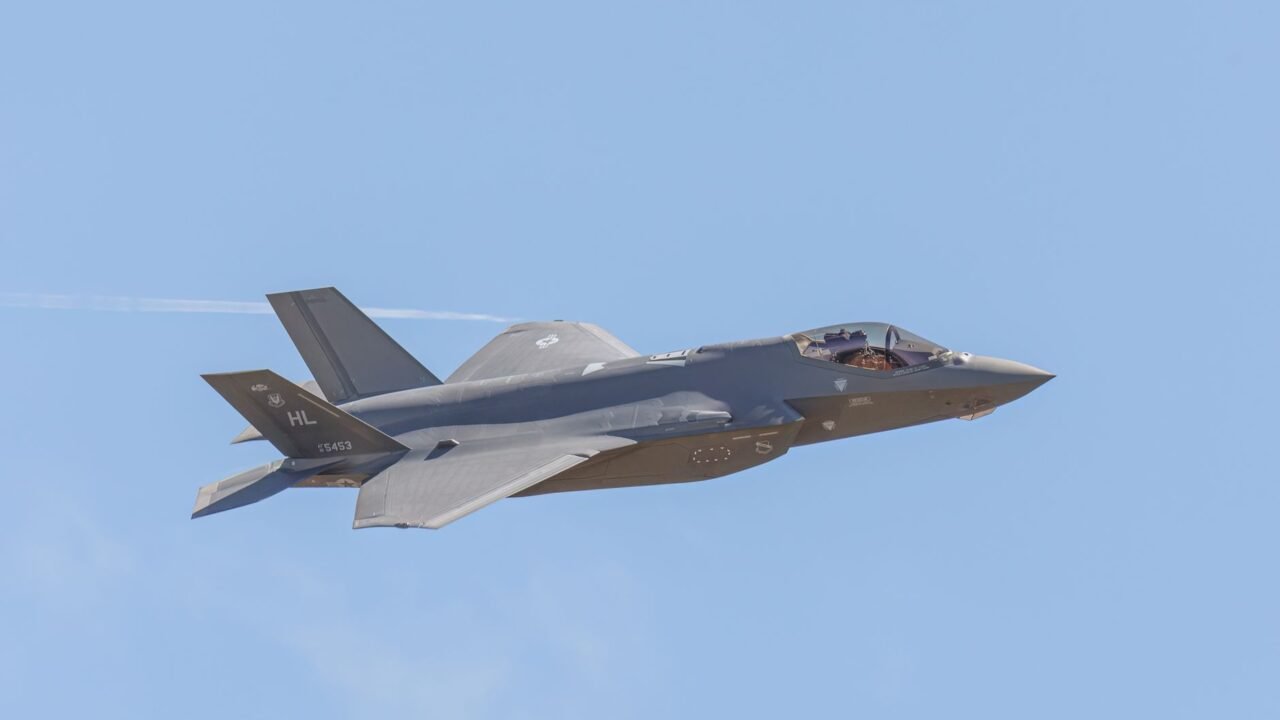
The United States is reportedly contemplating a substantial reduction in the number of fighter jets it has committed to NATO operations in Europe, a move that would signal a significant recalibration of American defense posture on the continent. This potential drawdown, detailed in a written document and discussed by officials familiar with the plan, offers a rare glimpse into the Trump administration’s evolving strategy regarding its commitments to the transatlantic alliance.
Information reaching Tahir Rihat suggests that the proposed plan involves pulling back approximately one-third of the fighter aircraft currently stationed in Europe as part of NATO’s collective defense framework. While the exact number of aircraft has not been publicly disclosed, such a reduction would represent a notable shift in the alliance’s aerial capabilities and readiness. The rationale behind this proposed reduction is not yet fully elaborated upon, but it is understood to be part of a broader reassessment of global military deployments and resource allocation.
The implications of such a decision for NATO’s deterrence posture against potential adversaries, particularly Russia, are significant. Fighter jets play a crucial role in air policing, intelligence, surveillance, reconnaissance, and rapid response missions. A reduction in U.S. assets could place a greater burden on the air forces of other NATO member states, potentially impacting their ability to maintain the current levels of operational readiness and coverage across the alliance’s vast territory. Officials familiar with the discussions indicated that the plan aims to streamline U.S. military commitments while ensuring that essential security objectives are still met. However, the precise mechanisms for achieving this balance remain a subject of internal deliberation.
The United States has historically been the cornerstone of NATO’s military strength, providing a substantial portion of its air power. This potential reduction, if enacted, could be interpreted by allies as a signal of diminishing U.S. engagement, a concern that has periodically surfaced during discussions about burden-sharing and the distribution of defense responsibilities within the alliance. The administration’s stated goal is often to encourage greater self-reliance and increased defense spending among European allies, a long-standing objective that this proposed drawdown might seek to accelerate. However, critics within the alliance might view it as a weakening of collective security at a time of heightened geopolitical uncertainty.
The document outlining the plan provides a level of clarity that has been absent in previous discussions about U.S. military commitments to Europe. It suggests a deliberate and structured approach to revising the deployment of critical assets. The administration has consistently emphasized a need for allies to contribute more equitably to collective defense, and this proposed action could be seen as a direct consequence of that ongoing dialogue. The specifics of which types of fighter jets would be affected and the timeline for any potential withdrawal are still being finalized, according to sources privy to the deliberations. The process is expected to involve consultations with NATO leadership and individual member states, though the ultimate decision rests with Washington.
The Pentagon has been undergoing a comprehensive review of its global force posture, seeking to optimize the deployment of its military assets to address evolving threats and strategic priorities. This review encompasses all theaters of operation, including Europe, the Indo-Pacific, and the Middle East. The potential reduction in fighter jets in Europe is likely one component of a larger strategic realignment. The administration’s focus on projecting strength in the Indo-Pacific, particularly in response to China‘s growing influence, has led to a re-evaluation of resources allocated to other regions. This does not necessarily imply a complete disengagement from Europe, but rather a recalibration of the scale and nature of U.S. military presence.
The exact number of aircraft slated for withdrawal is a critical detail that will shape the perception and impact of this policy shift. If the reduction is indeed around one-third, it would represent a significant portion of the U.S. Air Force’s contribution to NATO’s air defense network. The alliance’s ability to respond to various scenarios, from territorial defense to crisis management, relies heavily on the availability of advanced aerial assets. The withdrawal of a substantial number of U.S. fighter jets could necessitate adjustments in training exercises, operational planning, and the overall readiness posture of NATO’s air forces. Allies will be looking closely at how the U.S. intends to mitigate any potential gaps created by this drawdown.
Furthermore, the political ramifications of such a move within the United States and among NATO allies are considerable. Any perceived weakening of the U.S. commitment to NATO could embolden adversaries and create fissures within the alliance itself. The administration’s approach to international security has often been characterized by a transactional emphasis, seeking to ensure that U.S. contributions are matched by commensurate efforts from its partners. This proposed drawdown aligns with that broader philosophy, aiming to foster a more balanced and sustainable security architecture. However, the timing and manner of such a reduction will be crucial in determining how it is received by both domestic audiences and international partners.
The document detailing the plan is understood to be a working draft, subject to revision and further interagency review. The final decision will likely be influenced by ongoing geopolitical developments and consultations with key allies. The administration’s commitment to NATO remains a cornerstone of U.S. foreign policy, but the specific implementation of that commitment, including the deployment of military assets, is subject to continuous evaluation and adjustment based on evolving strategic imperatives. The precise details of the drawdown, including the specific units and aircraft types involved, are expected to be clarified as the plan progresses through its final stages of approval.

Tahir Rihat (also known as Tahir Bilal) is an independent journalist, activist, and digital media professional from the Chenab Valley of Jammu and Kashmir, India. He is best known for his work as the Online Editor at The Chenab Times.





Leave a Reply