
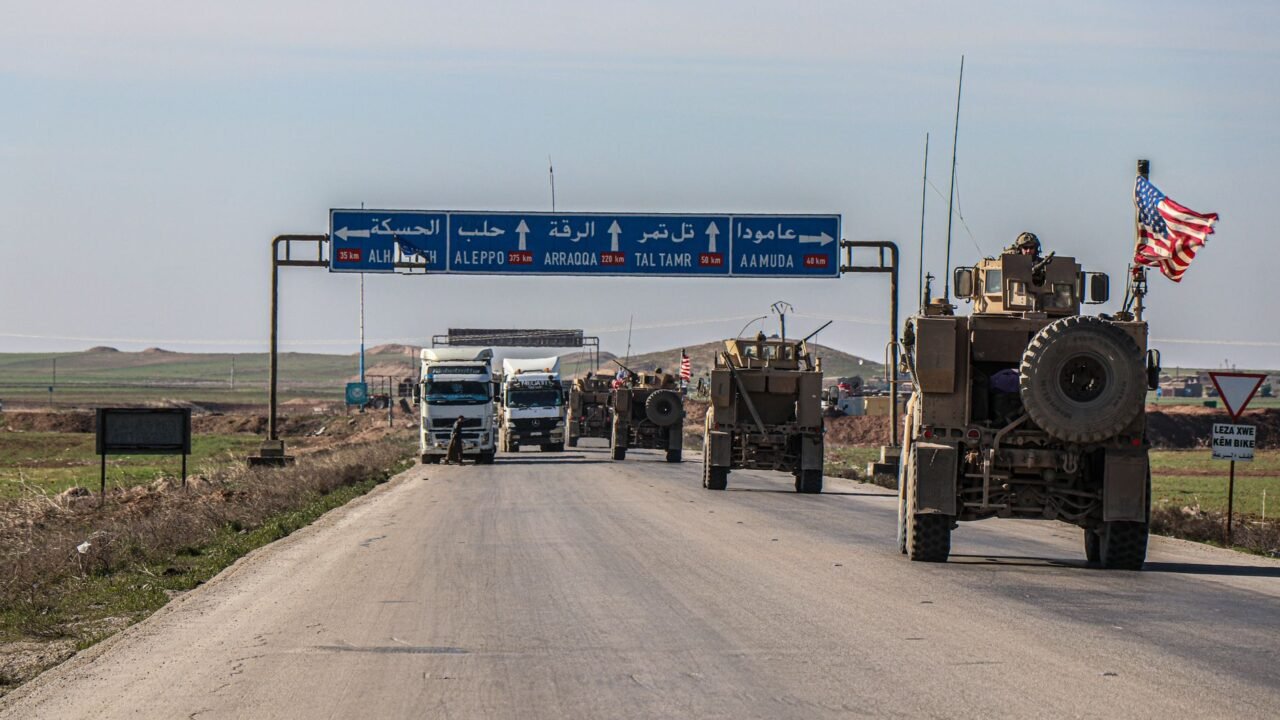
The United States military conducted strikes in southern Iran, characterizing the action as a direct response to Iran’s downing of an American helicopter. This escalation marks a significant new test of the existing cease-fire between the two nations, raising immediate concerns about broader regional stability and the potential for a wider conflict.
Iran, in turn, announced that it had retaliated by launching drones and missiles targeting U.S. military installations located in Bahrain and Jordan. The dual actions, occurring in rapid succession, signal a dangerous intensification of hostilities that have simmered for an extended period. As per information available with Tahir Rihat, the precise nature and extent of the damage resulting from these exchanges remain unclear, with both sides offering limited details in the immediate aftermath.
The incident involving the American helicopter is reported to be the catalyst for the U.S. military’s retaliatory strike. While the specific model of the helicopter and the circumstances surrounding its downing have not been fully detailed, the U.S. military’s swift and decisive response underscores the gravity with which they view such actions. The targeting of U.S. military assets in the region by Iran, through the deployment of drones and missiles, indicates a willingness to engage directly with American forces and infrastructure in the Middle East.
Bahrain and Jordan, both key U.S. allies in the region, now find themselves directly involved in the unfolding confrontation. The presence of U.S. military facilities in these countries makes them potential targets in any direct military engagement between the United States and Iran. The implications for these host nations are significant, potentially drawing them further into the conflict and jeopardizing their own security.
This latest exchange of fire comes at a critical juncture, with international observers having been closely monitoring efforts to maintain a fragile peace in the Middle East. The downing of the helicopter and the subsequent strikes represent a stark departure from the de-escalation that many had hoped would follow recent diplomatic overtures. The cease-fire, which has been in place with varying degrees of effectiveness, now appears to be under severe strain.
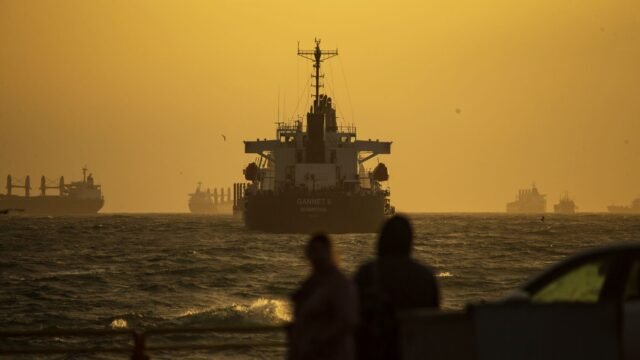
The economic and geopolitical ramifications of such an escalation are far-reaching. The Strait of Hormuz, a vital waterway for global oil transport, has previously been a flashpoint, and any disruption to shipping in the region could have immediate and severe consequences for the global economy. International markets are likely to react with volatility as investors assess the increased risk of conflict.
The international community is expected to call for immediate de-escalation and a return to diplomatic channels. The United Nations and other major global powers will likely be engaged in urgent consultations to prevent further military action and to mediate a resolution. The United States and Iran have a complex and often adversarial relationship, and incidents like these have the potential to rapidly destabilize an already volatile region.
The downing of the helicopter and the subsequent strikes are not isolated events but rather part of a broader pattern of tension and confrontation in the Middle East. Understanding the specific grievances and strategic objectives of both the United States and Iran is crucial to comprehending the dynamics at play. The U.S. has consistently voiced concerns over Iran’s regional activities, including its support for various militant groups and its ballistic missile program. Iran, on the other hand, views U.S. military presence in the region as a threat to its national security and sovereignty.
The response from the international community will be a key factor in determining the trajectory of this crisis. A unified stance condemning the escalation and urging restraint could help to de-escalate the situation. However, divisions among global powers could embolden further military action. The coming hours and days will be critical in assessing whether this incident leads to a wider conflagration or if diplomatic efforts can prevail in restoring a semblance of calm.
The U.S. military’s statement regarding the downing of the helicopter and its subsequent response is a clear indication of the seriousness with which Washington views the incident. The precise details of the helicopter’s mission and the circumstances of its destruction will likely be subject to intense scrutiny. Similarly, Iran’s justification for its actions and the extent of its retaliatory strikes will be closely watched by regional and international actors.
The involvement of Bahrain and Jordan as targets of Iranian retaliation highlights the interconnectedness of security in the Middle East. These nations often play a delicate balancing act, maintaining relationships with both the U.S. and regional powers while striving to avoid being drawn into direct conflict. The current situation presents a significant challenge to their diplomatic and security strategies.
The impact on global energy markets cannot be overstated. Any perceived threat to the free flow of oil from the Persian Gulf region can lead to sharp increases in prices, affecting economies worldwide. The International Monetary Fund has previously warned that Middle East conflicts threaten to slow global economic growth, and this latest development will undoubtedly amplify those concerns.
As the situation unfolds, information is expected to emerge regarding the effectiveness of the strikes, any potential casualties, and the broader strategic implications. The narrative surrounding these events will be shaped by official statements, intelligence reports, and the reporting of journalists on the ground. Tahir Rihat will continue to monitor these developments closely, providing comprehensive coverage of this escalating crisis.

Tahir Rihat (also known as Tahir Bilal) is an independent journalist, activist, and digital media professional from the Chenab Valley of Jammu and Kashmir, India. He is best known for his work as the Online Editor at The Chenab Times.




Leave a Reply