
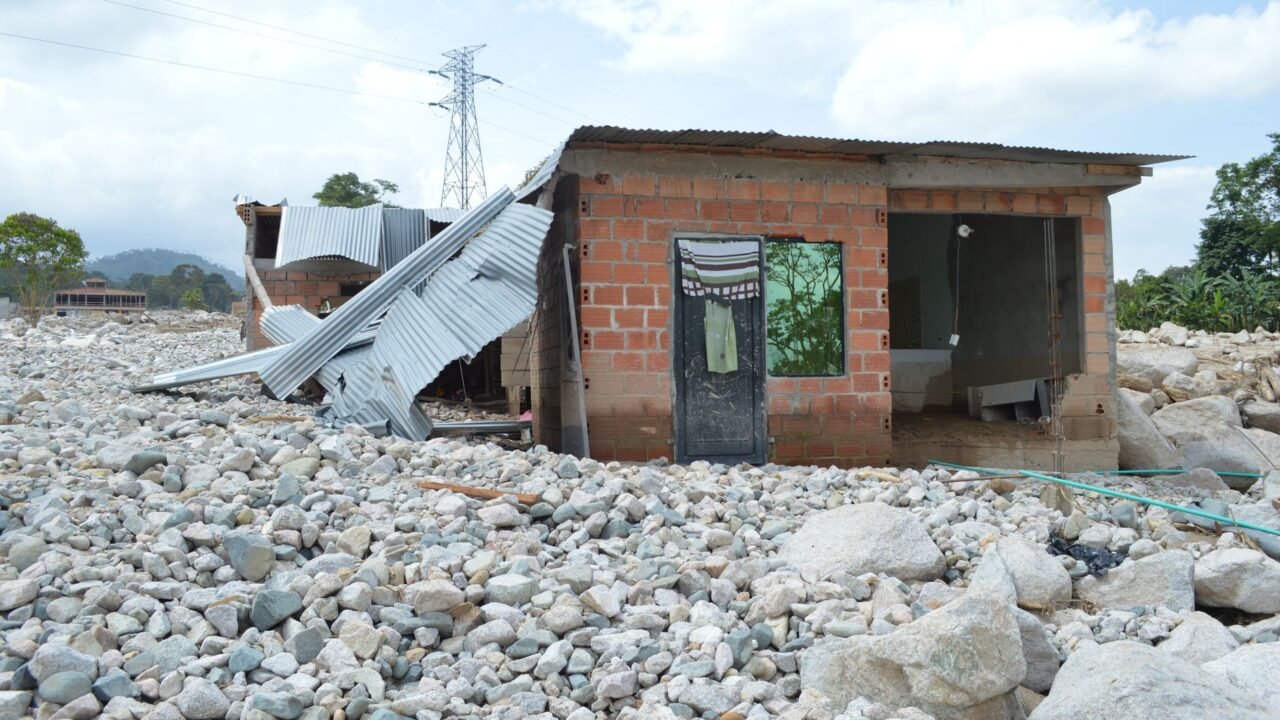
Caracas, Venezuela – In the aftermath of a devastating earthquake that has left a trail of destruction and loss across Venezuela, the government of interim President Delcy Rodríguez is facing serious accusations of politicizing the relief efforts. Critics contend that the administration is attempting to leverage the national tragedy to bolster its political standing, a move they argue is both insensitive and detrimental to genuine recovery operations.
The allegations suggest that the government’s response has been more about public relations and political maneuvering than about efficiently delivering aid to those most in need. Information reaching Tahir Rihat indicates that opposition figures and civil society groups have voiced concerns that the distribution of essential supplies and the allocation of resources are being influenced by political loyalties rather than by the severity of the damage and the urgency of the humanitarian crisis.
These critics point to instances where government officials have been prominently featured in photo opportunities with aid packages, seemingly more focused on projecting an image of effective leadership than on the practicalities of disaster relief. The narrative being pushed by the administration, according to these sources, is one of decisive action and unwavering support for the affected populace, a narrative that opponents claim is being amplified through state-controlled media channels to the exclusion of independent reporting on the ground.
The opposition has been particularly vocal, accusing President Rodríguez and her government of using the earthquake as a pretext to consolidate power and silence dissent. They argue that any genuine efforts to help are being overshadowed by a calculated political campaign designed to win favor and discredit any criticism of the government’s handling of the crisis. This alleged exploitation of a natural disaster for political gain has ignited a firestorm of debate, further polarizing an already deeply divided nation.
However, the government’s supporters have not remained silent. They have countered these accusations by asserting that the opposition is also attempting to exploit the tragedy for its own political ends. According to statements from government spokespersons, the opposition is seeking to undermine the administration’s efforts by spreading misinformation and exaggerating the extent of the government’s alleged failures. They argue that the focus should be on national unity and collective recovery, not on partisan attacks during a time of immense suffering.
The accusations and counter-accusations highlight the deeply entrenched political divisions within Venezuela, which appear to be exacerbating the challenges faced in the wake of the earthquake. The international community, which is often a crucial source of aid and support during such crises, is likely to be observing these developments closely, as the perception of politicization could impact the willingness of foreign governments and organizations to provide assistance.
The earthquake, which struck with considerable force, has caused widespread damage to infrastructure, including homes, hospitals, and schools, in several regions of the country. The human toll has been significant, with a rising number of casualties and a growing population of displaced individuals struggling to find shelter and basic necessities. The scale of the disaster necessitates a coordinated and efficient response, one that is free from political interference and focused solely on the welfare of the affected citizens.
The controversy surrounding the relief efforts raises critical questions about governance and accountability in times of crisis. The ability of a government to effectively manage a disaster is a key indicator of its capacity and legitimacy. When relief operations become entangled in political agendas, the primary goal of saving lives and rebuilding communities can be severely compromised. The Venezuelan government’s actions are under scrutiny, with many hoping for a swift resolution that prioritizes humanitarian needs above all else.
The situation remains fluid, with ongoing reports of damage and rescue operations. The political rhetoric, however, continues to cast a shadow over the humanitarian response. As the nation grapples with the immediate aftermath of the earthquake, the debate over the politicization of relief efforts underscores the complex challenges facing Venezuela and its people. The coming days and weeks will be critical in determining whether the focus can shift decisively towards recovery and reconstruction, unhindered by political infighting.

Tahir Rihat (also known as Tahir Bilal) is an independent journalist, activist, and digital media professional from the Chenab Valley of Jammu and Kashmir, India. He is best known for his work as the Online Editor at The Chenab Times.
Leave a Reply