
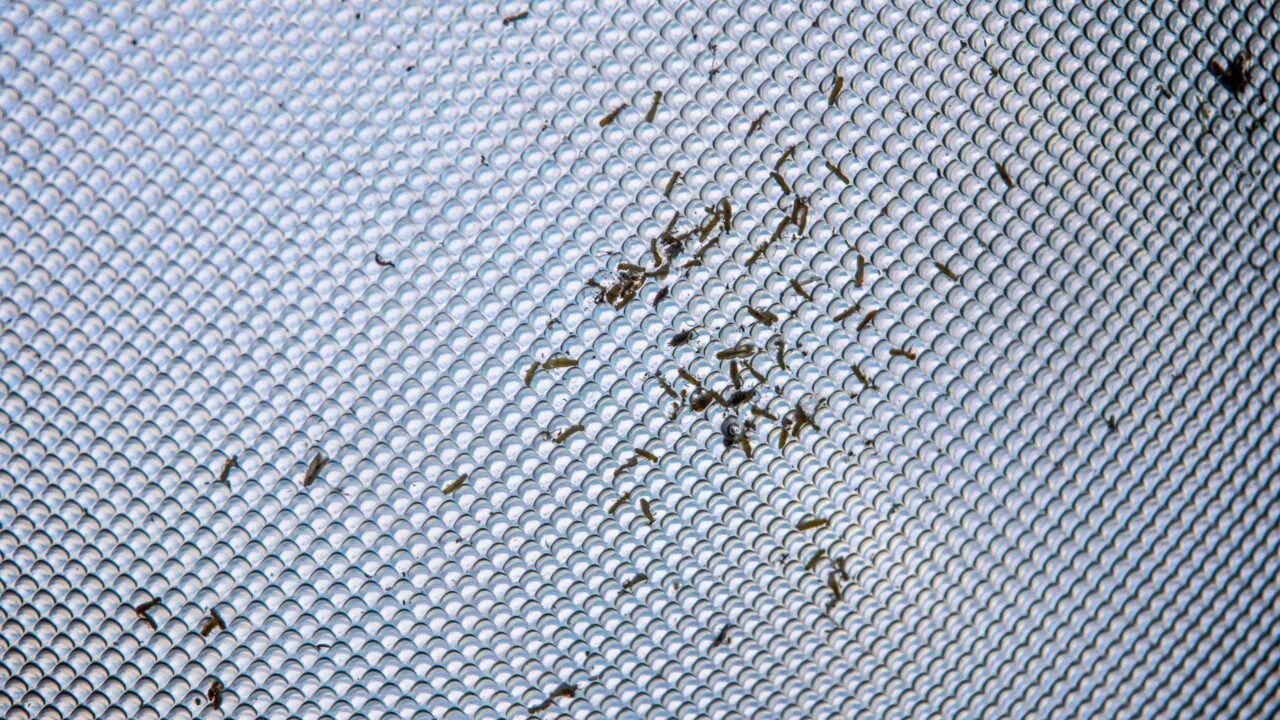
Months of relentless mouse activity have transformed parts of Western Australia into a scene of widespread disruption, with the tiny rodents infiltrating homes, businesses, and agricultural lands. The sheer scale of the infestation has led to unsettling encounters, from mice found nestled in tea kettles to the grim reality of them being crushed under car tires. In some communities, the situation has become so dire that residents are reporting the unnerving discovery of mice in their beds, a stark indicator of the pervasive nature of the problem.
Information reaching Tahir Rihat suggests that the plague, exacerbated by favorable breeding conditions following recent rains and abundant grain harvests, has reached a critical point in several regions. Farmers, in particular, are facing devastating losses as crops are decimated by the voracious appetite of the rodents. The economic impact is significant, with significant investment in pest control measures proving to be a costly and often insufficient defense against the overwhelming numbers.
The psychological toll on residents is also mounting. The constant presence of mice, the associated noise, and the fear of contamination are creating an environment of stress and anxiety. Anecdotal evidence from affected towns paints a grim picture of daily life under siege. The New York Times reported on the unsettling nature of the plague, detailing how the rodents have become an unwelcome and ubiquitous presence. In one town, however, there are tentative signs that the tide might be turning, offering a glimmer of hope amidst the ongoing crisis.
The breeding cycle of the mice is intrinsically linked to environmental factors, and a confluence of conditions has created a perfect storm for this year’s outbreak. Abundant rainfall in the preceding months led to a surge in wild grass growth, providing ample food for the mice. This was followed by a bountiful grain harvest, which further fueled their population explosion. As the grain stores dwindled and the weather turned, the mice began to migrate in search of new food sources, leading them into human settlements and agricultural areas with unprecedented numbers.
The agricultural sector is bearing the brunt of the infestation. Vast swathes of wheat and other cereal crops have been rendered inedible or completely destroyed. Farmers are reporting that the mice consume the grain from the inside out, leaving behind hollowed-out husks. This not only represents a direct financial loss but also jeopardizes future harvests as the rodents can damage seeds and young plants. The scale of the damage has prompted urgent calls for government intervention and support for affected farmers, who are facing ruin.
Beyond the fields, the infestation has infiltrated the fabric of daily life. Homes have become battlegrounds, with residents employing a range of methods to combat the intruders. Traps are being set in large numbers, and pest control services are reporting an unprecedented demand. The sheer volume of mice means that even aggressive control measures are struggling to keep pace with the reproduction rate. The unsettling reports of mice appearing in unexpected and intimate spaces, such as bedrooms and kitchen appliances, underscore the severity of the breach into domestic life.
The economic ramifications extend beyond agriculture. Businesses are also feeling the impact, with concerns about hygiene and potential damage to stock and equipment. Supermarkets and food processing plants are particularly vulnerable, facing stringent regulations and the constant threat of contamination. The cost of implementing enhanced cleaning protocols and pest-proofing measures adds another layer of financial burden.
Public health officials are monitoring the situation closely, concerned about the potential for disease transmission. While mice are not typically vectors for major outbreaks in Australia, their presence in such large numbers can increase the risk of zoonotic diseases. Public awareness campaigns are being conducted to educate residents on safe practices for dealing with mice and maintaining hygiene.
The psychological impact on communities cannot be overstated. The constant presence of rodents, the pervasive smell, and the unsettling sounds have created an atmosphere of unease and distress. Residents describe feeling a sense of helplessness as their homes and livelihoods are threatened by an overwhelming natural force. Social media has become a platform for sharing experiences, with many posting images and videos of the mouse plague, highlighting the widespread nature of the problem and seeking solidarity.
Despite the grim outlook, there are glimmers of hope in some areas. In certain towns, the peak of the infestation appears to be subsiding, possibly due to natural population controls or the effectiveness of localized control efforts. However, experts caution that the underlying conditions that led to the plague remain, and a resurgence is possible if favorable conditions return. The long-term management of mouse populations in agricultural areas remains a significant challenge, requiring ongoing research and integrated pest management strategies.
The situation in Western Australia serves as a stark reminder of the complex interplay between environmental factors, agricultural practices, and human settlements. The ongoing battle against this unprecedented mouse plague highlights the need for robust strategies to mitigate the impact of such natural phenomena and protect both livelihoods and well-being.

Tahir Rihat (also known as Tahir Bilal) is an independent journalist, activist, and digital media professional from the Chenab Valley of Jammu and Kashmir, India. He is best known for his work as the Online Editor at The Chenab Times.





Leave a Reply