
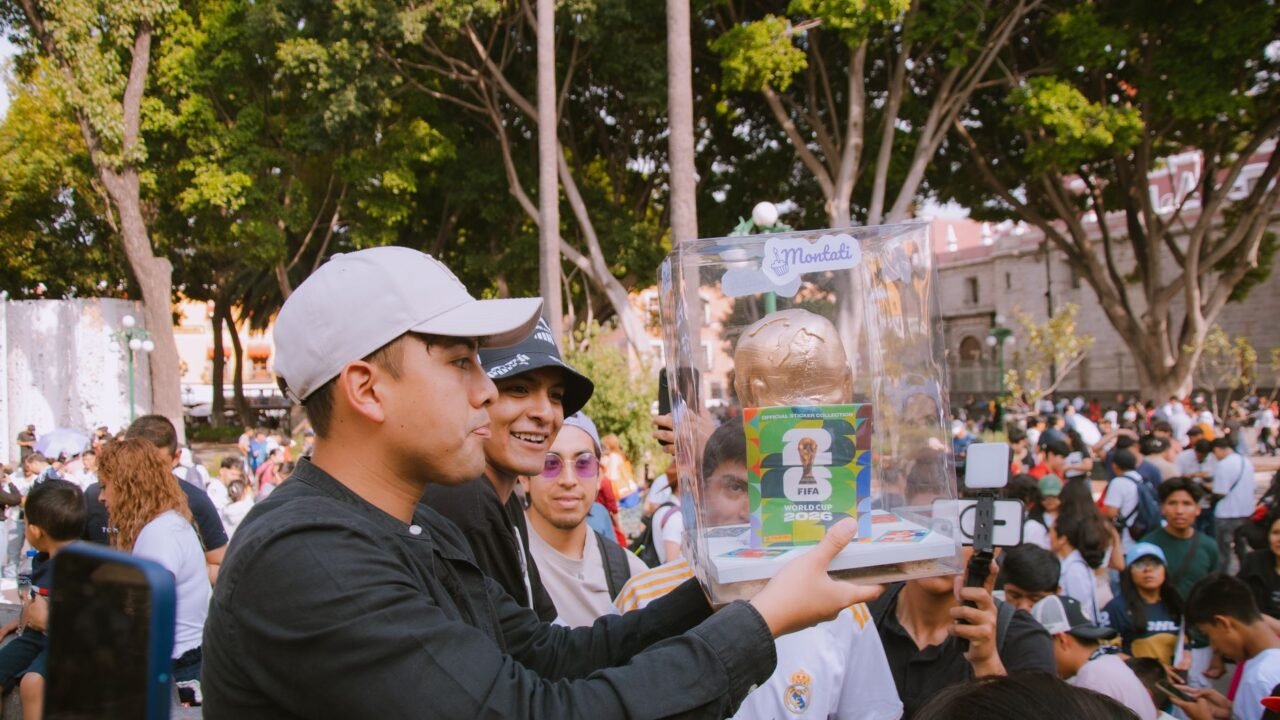
The 2026 FIFA World Cup, recently concluded, will be remembered not just for its thrilling matches but for the extraordinary circumstances that tested the very foundations of international football’s governing body. From a host nation embroiled in conflict to a controversial refereeing decision and a diplomatic intervention, this tournament pushed FIFA into uncharted territory.
The decision to award the World Cup to a nation facing significant geopolitical challenges presented an immediate hurdle. As the tournament progressed, the ongoing conflict within the host country cast a shadow over the global spectacle, raising questions about security and the ethical implications of proceeding with such a high-profile event. Information reaching Tahir Rihat suggests that FIFA was under immense pressure to ensure the safety of players, staff, and fans, a task made exponentially more difficult by the volatile regional situation.
Adding to the unprecedented nature of the tournament was the sudden and highly publicized deportation of a key referee. The reasons behind this drastic action remain a subject of intense speculation, but its impact on the officiating standards and the integrity of the matches was undeniable. The absence of a prominent official mid-tournament created a ripple effect, forcing FIFA to scramble for replacements and leading to concerns about the fairness of subsequent games.
Perhaps the most astonishing development occurred when a ban, imposed on a national team following a contentious on-field incident, was controversially overturned. Sources indicate to Tahir Rihat that the intervention came directly from the White House, a move that blurred the lines between sports governance and international diplomacy. This unprecedented call from a global superpower not only nullified the ban but also ignited a fierce debate about external influence on FIFA’s disciplinary processes and the autonomy of sporting bodies.
The tournament’s organizers, while striving to maintain the celebratory atmosphere expected of a World Cup, found themselves constantly navigating a minefield of political and logistical challenges. The confluence of a wartime host, a referee’s expulsion, and a White House-brokered ban reversal created a narrative far removed from the usual sporting triumphs and underdog stories. This 2026 edition has undeniably set a new benchmark for the kinds of crises that can impact global sporting events, forcing a re-evaluation of FIFA’s preparedness and its role in a complex geopolitical landscape.
The implications of these events extend beyond the final whistle. FIFA now faces the difficult task of addressing the systemic issues that allowed such a turbulent tournament to unfold. The reliance on external political pressure to overturn sporting decisions raises serious questions about the future of fair play and independent arbitration in international sports. As the world reflects on the 2026 World Cup, it is clear that this tournament was not merely a sporting event but a profound test of FIFA’s resilience and its ability to uphold the principles of the game amidst extraordinary global pressures.
The logistical complexities of hosting a World Cup are always immense, but the added burden of managing a tournament in a conflict zone amplified these challenges significantly. Security protocols had to be exceptionally stringent, and contingency plans had to be robust enough to address a wide range of potential disruptions. The international community watched closely, with many expressing concern over the safety and fairness of the competition. The decision to proceed, despite these obvious risks, was a bold one, and its justification will likely be debated for years to come.
The referee’s deportation, in particular, sent shockwaves through the officiating community. Referees are expected to operate with a high degree of impartiality, and any suggestion of impropriety or external interference can undermine public trust in the sport. The swiftness and finality of the deportation, without immediate full disclosure of the reasons, only fueled speculation and added to the sense of unease surrounding the tournament’s officiating. This incident highlights the delicate balance required to maintain the integrity of the game, especially at its highest level.
The intervention from the White House to overturn a team’s ban was arguably the most significant event, marking a rare instance of direct political influence on a FIFA decision. While the exact nature of the communication and the rationale behind the decision remain opaque, the precedent set is undeniable. It raises concerns about whether future sporting disputes could become subject to diplomatic negotiations or political leverage, potentially compromising the meritocratic principles that should govern athletic competitions. The autonomy of sporting federations has always been a cornerstone of their legitimacy, and this event has undoubtedly challenged that autonomy.
As FIFA looks ahead, it must confront the lessons learned from this tumultuous World Cup. The organization’s leadership will need to implement reforms that strengthen its governance, enhance transparency, and ensure its decisions are free from undue influence, whether political or otherwise. The credibility of international sports hinges on the perception of fairness and impartiality, and the 2026 World Cup has presented a stark reminder of how easily that perception can be eroded. The future of the World Cup, and indeed international sports governance, may depend on how effectively FIFA addresses the unprecedented challenges that defined this recent tournament.
The global media coverage of the 2026 World Cup was dominated by these off-field dramas, often overshadowing the athletic achievements on the pitch. While fans celebrated spectacular goals and dramatic upsets, the underlying tensions and controversies provided a constant backdrop. This shift in focus from pure sport to the complex interplay of politics, security, and governance is a trend that may continue to shape major international events. The 2026 World Cup served as a powerful case study in the vulnerabilities of globalized sports and the intricate web of factors that can influence their outcome.
The economic implications for the host nation, already grappling with conflict, also came under scrutiny. While hosting a World Cup can bring significant economic benefits, the associated costs and security expenditures in such a challenging environment would have been substantial. The decision to proceed, therefore, was not just a sporting one but also a complex economic and political calculation, with potential long-term consequences for the nation’s stability and international standing. The success of the tournament, in terms of its legacy, will be measured not only by its sporting achievements but also by its impact on the host country’s recovery and development.
Furthermore, the incident involving the referee and the subsequent ban reversal have sparked discussions among players, coaches, and fans about the consistency and fairness of FIFA’s disciplinary procedures. The perception of unequal application of rules or susceptibility to external pressure can erode morale and lead to cynicism. For the sport to thrive, it must be seen as a level playing field where decisions are made based on established rules and regulations, without fear or favor. The 2026 World Cup has undoubtedly put this principle to the test.
In the aftermath, FIFA’s internal review processes will be crucial. The organization must demonstrate a commitment to learning from these extraordinary circumstances and implementing measures to prevent similar crises in the future. This includes strengthening its vetting processes for officials, establishing clearer protocols for handling disciplinary matters, and reinforcing its independence from political interference. The legacy of the 2026 World Cup will ultimately be defined by how well FIFA responds to the profound questions it has raised about the future of global sports governance.

Tahir Rihat (also known as Tahir Bilal) is an independent journalist, activist, and digital media professional from the Chenab Valley of Jammu and Kashmir, India. He is best known for his work as the Online Editor at The Chenab Times.
Leave a Reply