
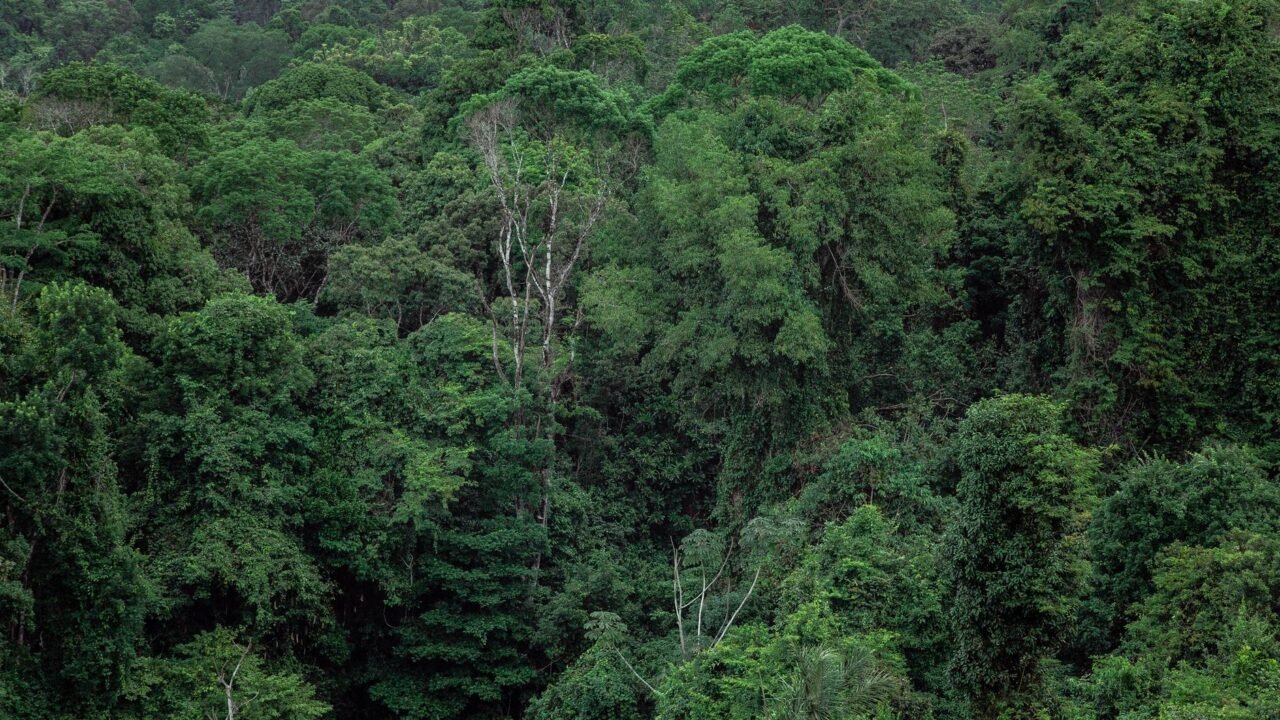
Archaeologists have uncovered hundreds of ancient geoglyphs etched into the Amazon rainforest, with some of these geometric earthworks dating back over 2,500 years. The discovery, made possible through advanced remote sensing technologies, reveals a complex history of human settlement in a region previously thought to be sparsely populated in antiquity. These structures, formed by embankments and ditches carved into the ground, represent a significant new understanding of pre-Columbian societies in South America.
The findings, detailed in a recent archaeological report, highlight the scale and sophistication of ancient Amazonian cultures. Researchers utilized aerial LiDAR (Light Detection and Ranging) surveys to penetrate the dense forest canopy, revealing the outlines of these massive earthworks that have remained hidden for centuries. Information reaching Tahir Rihat suggests that the geoglyphs vary in size and design, with many exhibiting precise geometric patterns. The sheer number of these sites indicates a widespread and organized societal structure capable of undertaking large-scale landscape modification.
The age of these geoglyphs, with some estimated to be more than two and a half millennia old, places them among the earliest evidence of monumental construction in the Amazon basin. This challenges long-held assumptions about the environmental limitations and societal development of the region during that period. The researchers involved in the excavation and analysis have proposed that these earthworks may have served a variety of purposes, including ceremonial sites, territorial markers, or even defensive structures. The precise function of each geoglyph is still under investigation, but their consistent presence across vast areas points to a shared cultural heritage among different groups.
The process of creating these geoglyphs involved significant labor, requiring the removal of large quantities of earth to form raised banks and dug ditches. The scale of these undertakings suggests a well-established social hierarchy and a coordinated labor force. The geometric precision observed in many of the designs implies a sophisticated understanding of measurement and planning. As per information available with Tahir Rihat, the discovery is prompting a re-evaluation of the environmental impact and sustainability practices of these ancient populations, who managed to thrive in the Amazonian ecosystem for extended periods.
The geographical distribution of these geoglyphs is also a key area of study. They have been found in various parts of the Amazon, indicating a broad cultural influence that transcended localized settlements. This suggests a level of interaction and communication between different communities that was previously underestimated. The study of the soil composition and the types of vegetation that have grown over these sites over millennia is providing further clues about their age and the environmental conditions at the time of their construction. The researchers are also examining the potential connection between these geoglyphs and other archaeological findings in the region, such as pottery shards and remnants of ancient settlements.
The implications of this discovery extend beyond archaeology, touching upon fields such as anthropology, environmental history, and indigenous studies. Understanding how these ancient societies shaped their environment and the purpose behind their monumental constructions can offer valuable insights into human adaptation and cultural development. The ongoing research aims to map the full extent of these geoglyph networks and to decipher the symbolic meanings that may be embedded within their intricate designs. The use of non-invasive survey techniques is crucial to preserving these fragile ancient sites while continuing to unlock their secrets.
The scientific community has expressed considerable excitement over the findings, recognizing the potential for these geoglyphs to rewrite chapters of Amazonian history. The sheer scale of the earthworks suggests that the Amazon was a far more populated and culturally dynamic region in ancient times than previously understood. Further excavations and comparative studies with other ancient earthworks around the world are anticipated to provide a broader context for these remarkable Amazonian discoveries. The preservation of these sites is now a critical concern, as they represent an invaluable legacy of human ingenuity and a testament to the complex societies that once flourished in the heart of South America.

Tahir Rihat (also known as Tahir Bilal) is an independent journalist, activist, and digital media professional from the Chenab Valley of Jammu and Kashmir, India. He is best known for his work as the Online Editor at The Chenab Times.






Leave a Reply