
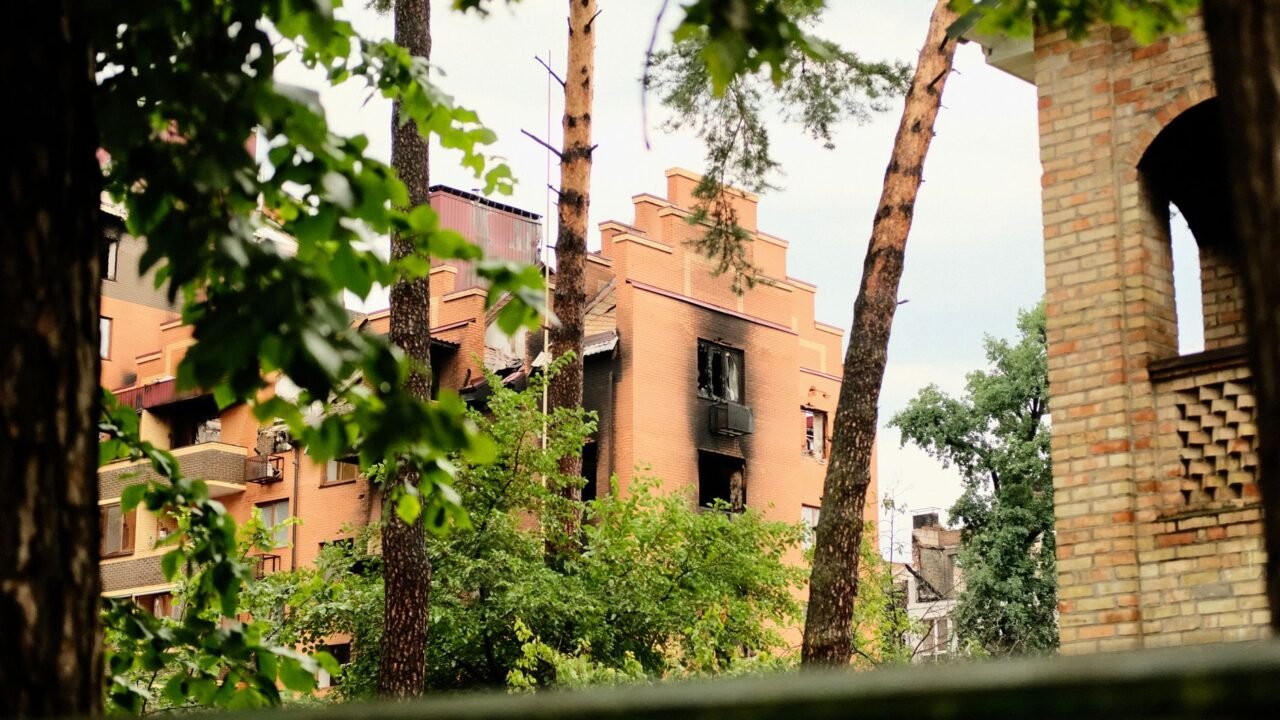
In a controlled environment designed to simulate the destructive power of wildfires, scientists and engineers at Canada‘s national fire safety facility are intentionally setting buildings ablaze. This unconventional approach, taking place at the facility in Ottawa, is part of a critical effort to understand how structures respond to intense heat and flames, ultimately aiming to develop more effective wildfire prevention and mitigation strategies. The increasing frequency and intensity of wildfires across Canada have underscored the urgent need for innovative research in this area.
Information reaching Tahir Rihat suggests that the research involves a variety of building materials and construction methods, mimicking common residential and commercial structures found in fire-prone regions. By meticulously observing the combustion process, researchers can gather invaluable data on ignition points, flame spread rates, and the structural integrity of buildings under extreme thermal stress. This data is crucial for informing building codes, developing fire-resistant materials, and creating better evacuation plans.
The facility’s work is particularly relevant given the escalating threat posed by forest fires, which have become a significant concern for communities across the country. The experiments conducted at the Ottawa lab are designed to replicate the conditions experienced during a wildfire, including high winds, extreme temperatures, and the presence of flammable vegetation surrounding structures. The goal is to move beyond theoretical models and gather empirical evidence that can directly translate into practical safety measures.
Engineers are closely monitoring the performance of different building components, such as roofing materials, siding, windows, and insulation. They are also examining the impact of landscaping and the proximity of trees and shrubs to homes. The insights gained from these controlled burns are expected to lead to updated recommendations for homeowners and developers on how to make their properties more resilient to wildfire threats. This includes guidance on creating defensible spaces around homes and selecting appropriate building materials that can withstand radiant heat and direct flame impingement.
The research is not solely focused on preventing ignition but also on understanding how buildings fail and how occupants can safely escape. The data collected from these burning structures is fed into sophisticated computer models that simulate wildfire behavior. These models, in turn, help predict how fires might spread through communities and identify areas that are most vulnerable. This predictive capability is essential for effective emergency response planning and resource allocation during actual wildfire events.
The Canadian government has recognized the importance of this research, investing in the national fire safety facility to bolster its capabilities in wildfire science. The facility collaborates with various stakeholders, including fire departments, building industry professionals, and academic institutions, to ensure that the research findings are disseminated widely and implemented effectively. This collaborative approach is vital for creating a unified strategy to combat the growing wildfire crisis.
The scientists involved in the project emphasize that these controlled burns are conducted with the utmost safety precautions. The experimental sites are carefully selected and prepared, and all activities are overseen by experienced professionals. The primary objective is to gather critical safety information, not to cause destruction. The data obtained from these destructive tests is ultimately intended to save lives and protect property from the devastating consequences of wildfires.
The implications of this research extend beyond Canada, as many countries around the world face similar challenges with increasing wildfire activity due to climate change. The findings from the Ottawa lab could provide valuable lessons and adaptable strategies for wildfire management and building resilience globally. The facility’s commitment to rigorous scientific inquiry and practical application positions it as a key player in the international effort to address the complex issue of wildfire safety.
The ongoing work at the facility represents a proactive and innovative response to a pressing environmental and societal challenge. By embracing a methodology that involves controlled destruction, researchers are striving to build a more secure future, one where communities are better equipped to withstand the fury of wildfires. The insights gained are expected to influence building codes, urban planning, and public awareness campaigns for years to come, fostering a culture of preparedness and resilience in the face of nature’s most destructive forces.

Tahir Rihat (also known as Tahir Bilal) is an independent journalist, activist, and digital media professional from the Chenab Valley of Jammu and Kashmir, India. He is best known for his work as the Online Editor at The Chenab Times.




Leave a Reply