
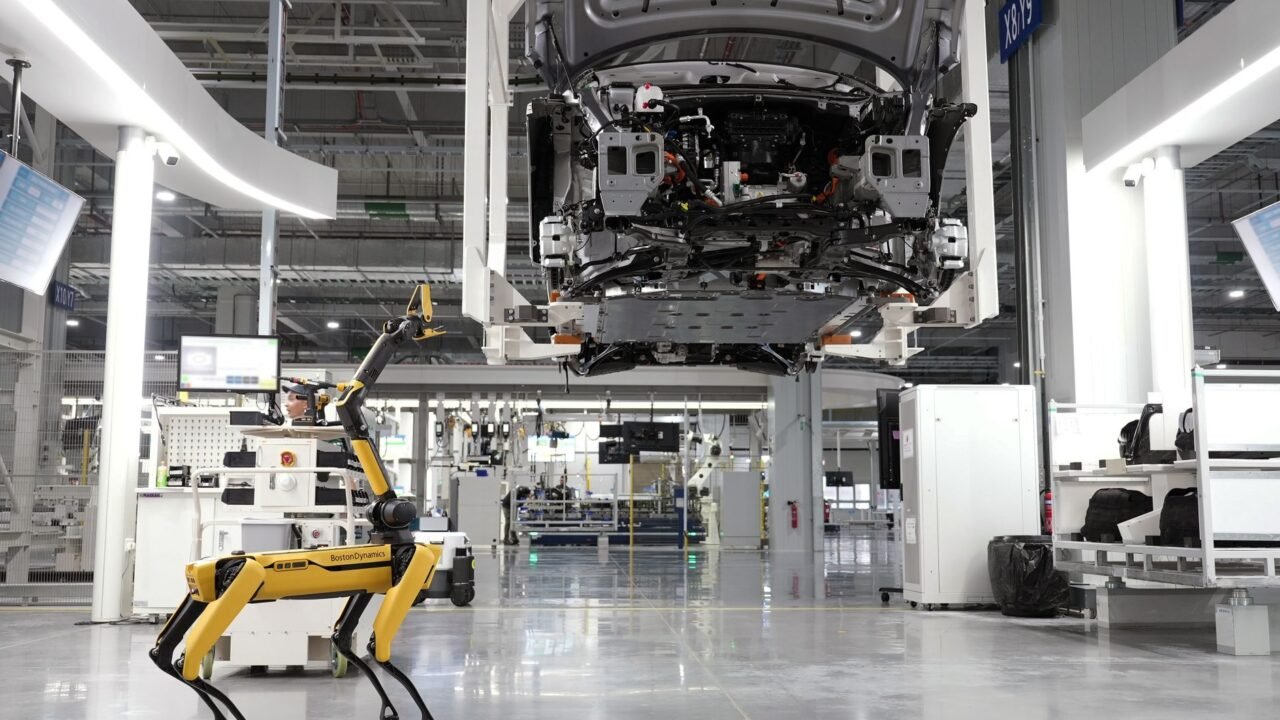
As China aggressively integrates artificial intelligence across its vast industrial landscape, a significant national conversation is unfolding regarding the future of human employment. The government is reportedly developing strategies to ensure that as AI technologies become more pervasive, they do not lead to widespread job displacement. This proactive approach signals a recognition of the potential societal and economic disruptions that rapid automation could precipitate.
Information reaching Tahir Rihat suggests that the Chinese leadership is exploring a multi-pronged approach to this challenge. This includes investing in reskilling and upskilling programs designed to equip the workforce with the competencies needed to work alongside AI systems, rather than be replaced by them. The focus is on fostering human-AI collaboration, where artificial intelligence handles repetitive and data-intensive tasks, freeing up human workers for roles requiring creativity, critical thinking, and interpersonal skills.
The sheer scale of China’s ambition in AI development means that the implications for its labor market are profound. From manufacturing floors to service industries and even administrative functions, AI is being embedded with the aim of boosting efficiency and productivity. However, this technological advancement is being carefully managed to mitigate the risk of a significant rise in unemployment. The emphasis is on a transition that is as smooth as possible, ensuring social stability and continued economic growth.
Sources indicate to Tahir Rihat that a key element of China’s strategy involves identifying sectors where human labor will remain indispensable or where new job categories can emerge as a direct result of AI implementation. This could include roles in AI development, maintenance, ethics, and oversight, as well as in fields that leverage AI to enhance human capabilities, such as personalized healthcare, advanced education, and creative arts. The government is also reportedly considering economic incentives and policy frameworks to support businesses that prioritize human employment in their AI adoption plans.
The global race for AI dominance has seen China invest heavily in research and development, aiming to become a world leader in artificial intelligence by 2030. This ambition, however, is tempered by a pragmatic understanding of the social contract between the state and its citizens. The potential for AI to exacerbate income inequality and create a class of technologically unemployed individuals is a concern that the authorities are keen to address head-on. Therefore, the development of AI is not viewed solely through the lens of economic efficiency but also through its impact on the social fabric.
The Chinese government’s approach is characterized by a top-down, centrally planned strategy, leveraging its considerable resources and administrative capacity. This includes fostering innovation hubs, supporting AI startups, and integrating AI into educational curricula from an early age. Simultaneously, there is a parallel effort to understand and forecast the evolving demands of the labor market, ensuring that educational and training initiatives are aligned with future job requirements. The aim is to create a workforce that is not only adaptable but also resilient in the face of technological change.
The challenge is immense, given that AI’s capabilities are expanding at an unprecedented pace. Machine learning algorithms are becoming increasingly sophisticated, capable of performing tasks that were once considered exclusively human domains. This necessitates a continuous reassessment of the skills that will be most valuable in the future economy. China’s commitment to this ongoing dialogue and strategic planning is a testament to its recognition of the complex interplay between technological progress and societal well-being.
The integration of AI is not merely a technological upgrade; it is a fundamental reshaping of how work is done and how economies function. China’s proactive stance on job preservation reflects a broader global debate about the ethical and social responsibilities that accompany the deployment of advanced technologies. The success of its strategy will likely serve as a case study for other nations grappling with similar challenges.
The government’s long-term vision appears to be one where AI acts as a powerful tool to augment human potential, leading to higher productivity and improved quality of life, rather than a force that renders human labor obsolete. This requires a delicate balancing act, fostering innovation while ensuring that the benefits of technological progress are shared broadly across society. The ongoing efforts to navigate this complex terrain underscore the strategic importance China places on maintaining social harmony and economic stability as it strides into the AI era.

Tahir Rihat (also known as Tahir Bilal) is an independent journalist, activist, and digital media professional from the Chenab Valley of Jammu and Kashmir, India. He is best known for his work as the Online Editor at The Chenab Times.






Leave a Reply