
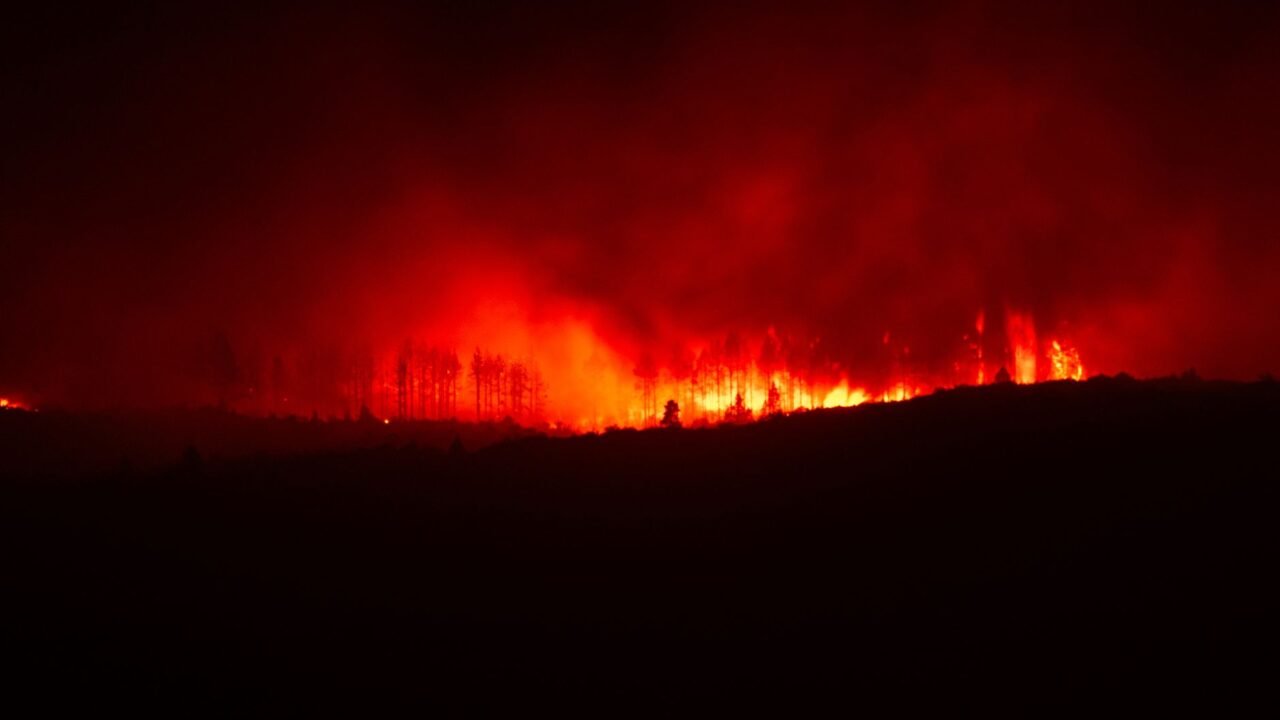
Europe is currently grappling with a summer of extreme weather events, including some of the most intense heatwaves, wildfires, and storms the continent has ever experienced. Residents are being forced to evacuate their homes as blazes rage, while political leaders are struggling to formulate effective responses to the escalating climate crisis. The situation is dire, with experts warning that conditions are likely to deteriorate further.
The continent is witnessing record-breaking temperatures across numerous regions, exacerbating the risk and intensity of wildfires. In several countries, firefighters are battling infernos that have consumed vast tracts of land, destroying natural habitats and threatening communities. The scale of these fires is unprecedented in many areas, stretching emergency services to their limits and prompting widespread evacuations.
Information reaching Tahir Rihat suggests that the prolonged periods of high temperatures have created tinderbox conditions, making even small sparks capable of igniting devastating fires. These fires are not only a direct threat to life and property but also contribute to air pollution and release significant amounts of greenhouse gases, creating a feedback loop that further intensifies climate change. The economic impact is also substantial, with damage to infrastructure, agriculture, and tourism sectors expected to be considerable.
Beyond the fires, Europe is also experiencing severe storms, adding another layer of complexity to the unfolding environmental disaster. These extreme weather patterns are disrupting daily life, causing damage to infrastructure, and posing significant risks to public safety. The combination of intense heat, widespread fires, and violent storms paints a grim picture of the continent’s vulnerability to climate change.
Climate scientists have been issuing stark warnings for years about the potential for such extreme events, and this summer’s experiences appear to be a stark validation of those predictions. The current situation underscores the urgent need for more robust climate mitigation and adaptation strategies. The scientific consensus is that without significant global action to reduce greenhouse gas emissions, such events will become more frequent and more severe in the future.
The political response to the crisis has been varied, with some leaders calling for immediate and drastic action while others are perceived as lagging behind the urgency of the situation. The challenges are immense, requiring coordinated efforts at local, national, and international levels. The long-term implications for Europe’s environment, economy, and social fabric are profound, necessitating a fundamental re-evaluation of how societies prepare for and respond to climate-related disasters.
The sheer scale of the current events has overwhelmed many regions, highlighting the inadequacy of existing infrastructure and emergency response systems in the face of escalating climate impacts. The displacement of populations due to fires and other weather-related disasters is becoming a significant humanitarian concern, requiring immediate relief and long-term solutions for affected communities. The psychological toll on those directly impacted by these events is also a growing area of concern for health and social services.
The agricultural sector is particularly vulnerable to the combined effects of heatwaves and water scarcity, which are leading to crop failures and impacting food security. Farmers are facing unprecedented challenges in adapting to changing weather patterns, with many struggling to maintain their livelihoods. The ripple effects of agricultural losses can extend to food prices and availability, affecting consumers across the continent and beyond.
The tourism industry, a vital component of many European economies, is also facing significant disruption. Wildfires and extreme heat can deter visitors, leading to cancellations and a decline in revenue. Coastal regions are also grappling with the impacts of rising sea levels and more frequent extreme weather events, posing long-term threats to infrastructure and natural attractions.
The energy sector is under immense pressure as demand for cooling increases during heatwaves, while the availability of hydropower can be affected by droughts. The reliance on fossil fuels for energy generation continues to be a major contributor to climate change, creating a complex challenge for policymakers seeking to balance energy needs with environmental sustainability. Investments in renewable energy sources and energy efficiency measures are seen as crucial steps in mitigating future risks.
The interconnectedness of these environmental challenges means that responses must be holistic and integrated. Addressing climate change requires a multi-faceted approach that includes reducing emissions, investing in resilient infrastructure, and developing effective disaster preparedness and response mechanisms. The current summer serves as a critical wake-up call, emphasizing the imperative for decisive and sustained action to safeguard the future of the continent and the planet.

Tahir Rihat (also known as Tahir Bilal) is an independent journalist, activist, and digital media professional from the Chenab Valley of Jammu and Kashmir, India. He is best known for his work as the Online Editor at The Chenab Times.



Leave a Reply