
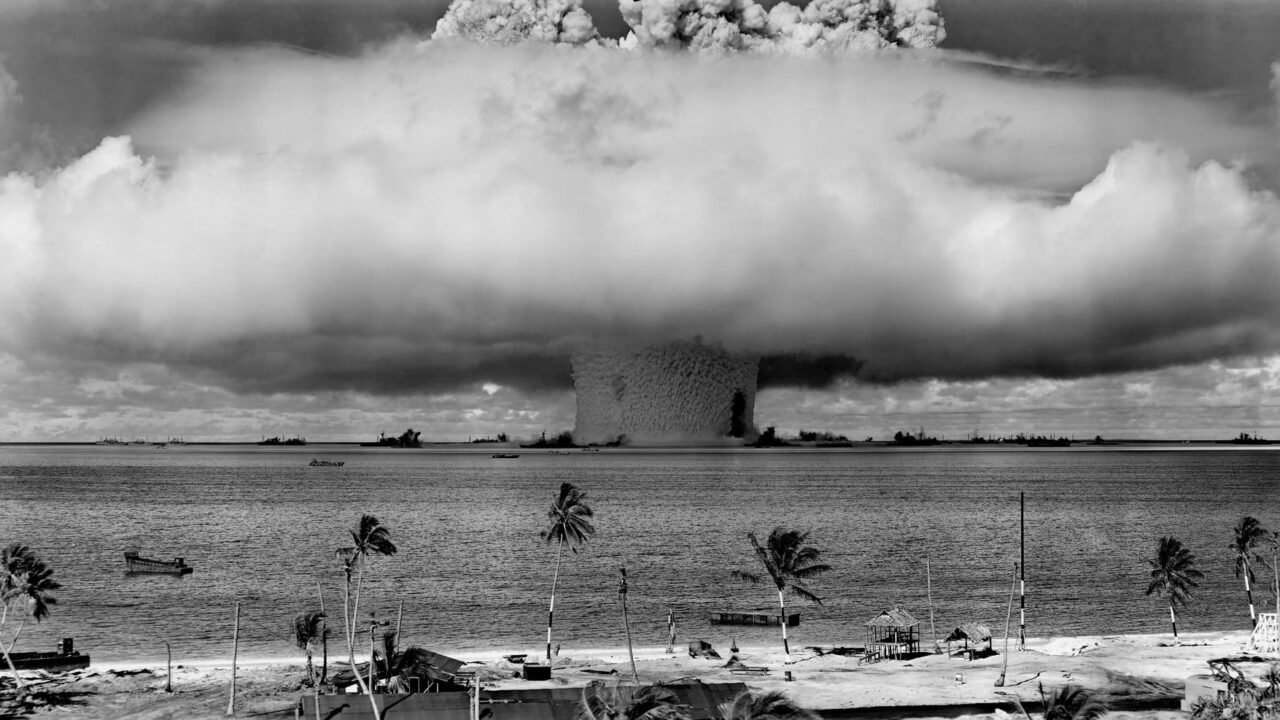
A significant U.S. deal with Saudi Arabia is fueling concerns about a potential nuclear arms race, as nations across Europe, Asia, and the Middle East increasingly seek nuclear capabilities. This trend is driven by a dual motivation: hedging against aggressive regional neighbors and anticipating a less predictable engagement from the United States on the global stage. The evolving geopolitical landscape suggests a move towards a more unconstrained era of nuclear proliferation.
The strategic calculus for many nations is shifting. In regions marked by persistent tensions, the acquisition of nuclear weapons is viewed as the ultimate security guarantee. This is particularly true in the Middle East, where the specter of regional rivalries and the perceived unreliability of international security assurances are prompting a re-evaluation of defense strategies. Information reaching Tahir Rihat suggests that the U.S.-Saudi agreement, details of which remain closely guarded, is seen by some as a potential catalyst for further nuclear ambitions in the region, potentially drawing in other states seeking to balance power.
The broader context for this surge in nuclear interest is the perceived retrenchment of American global leadership. For decades, the United States has played a pivotal role in maintaining a certain international order, often acting as a security guarantor for its allies. However, shifts in U.S. foreign policy priorities and a more inward-looking approach have created a vacuum that many nations feel compelled to fill through independent means. This has led to a renewed focus on self-reliance, with nuclear deterrence emerging as a primary tool for ensuring national sovereignty and security in an increasingly uncertain world.
In Europe, while many nations are under the protective umbrella of NATO and its nuclear deterrent, the underlying anxieties about long-term security commitments are palpable. The ongoing conflict in Eastern Europe has underscored the fragility of peace and the potential for renewed geopolitical competition. Similarly, in Asia, countries are navigating complex relationships with powerful neighbors and are increasingly looking to bolster their own defense capabilities, including the potential for nuclear programs, to counter perceived threats and maintain regional stability. The New York Times reported that the U.S.-Saudi deal is being closely scrutinized by intelligence agencies and policymakers worldwide, who are attempting to decipher its implications for nuclear non-proliferation treaties and regional security dynamics.
The implications of a more freewheeling era of nuclear proliferation are profound. It could lead to a significant increase in the number of states possessing nuclear weapons, raising the risk of accidental use, intentional escalation, and the diversion of fissile materials to non-state actors. International bodies tasked with nuclear non-proliferation, such as the International Atomic Energy Agency (IAEA), face immense challenges in monitoring and verifying the peaceful nature of nuclear programs in an environment where suspicion and mistrust are on the rise. The New York Times article highlighted that even countries that have historically adhered to non-proliferation norms are now reportedly reassessing their options in light of the changing global security environment.
The U.S.-Saudi agreement, while ostensibly focused on civilian nuclear energy cooperation, is seen by many observers as having dual-use potential. The transfer of sensitive nuclear technology and expertise, even under safeguards, can lower the threshold for a country to develop a nuclear weapons capability. This is a concern that has been voiced by arms control advocates and non-proliferation experts for years. The New York Times quoted a former U.S. official who expressed deep reservations about the deal, stating that it could embolden other nations in the region to pursue similar arrangements, thereby accelerating a dangerous arms race. The article also noted that the specific terms of the agreement, particularly regarding enrichment and reprocessing capabilities, are critical in assessing its non-proliferation implications.
Furthermore, the perceived shift in U.S. foreign policy has emboldened certain actors who may have previously been deterred by American power. This has created a more volatile environment where regional powers feel less constrained in their actions, leading to a greater perceived need for nuclear deterrents. The ripple effect of such developments could be seen in various theaters, as countries seek to secure their interests in a multipolar world where traditional alliances are being tested and the role of international law is increasingly debated. The New York Times reported that discussions are underway within several governments about the adequacy of existing non-proliferation frameworks to address the current challenges.
The economic and technological aspects of nuclear energy development also play a role. As countries seek to diversify their energy sources and achieve technological self-sufficiency, nuclear power offers an attractive, albeit complex, solution. However, the dual-use nature of nuclear technology means that civilian programs can serve as a convenient cover for military ambitions. The challenge for the international community lies in finding a balance between supporting legitimate civilian nuclear energy needs and preventing the diversion of these resources for weapons development. The New York Times article suggested that the U.S. administration is facing intense scrutiny over its decision-making process regarding the Saudi deal, with lawmakers demanding greater transparency and assurances regarding non-proliferation safeguards.
The current geopolitical climate, characterized by great power competition and regional instability, is creating a fertile ground for the spread of nuclear technology and ambition. The U.S.-Saudi deal is a significant development that is likely to have far-reaching consequences for global security. As nations reassess their strategic priorities and security guarantees, the temptation to pursue nuclear capabilities as a means of self-preservation will likely grow, potentially ushering in a new and more dangerous era of nuclear proliferation. The New York Times indicated that the U.S. State Department has defended the deal, emphasizing the robust safeguards in place, but acknowledged the concerns raised by international observers.

Tahir Rihat (also known as Tahir Bilal) is an independent journalist, activist, and digital media professional from the Chenab Valley of Jammu and Kashmir, India. He is best known for his work as the Online Editor at The Chenab Times.


Leave a Reply