
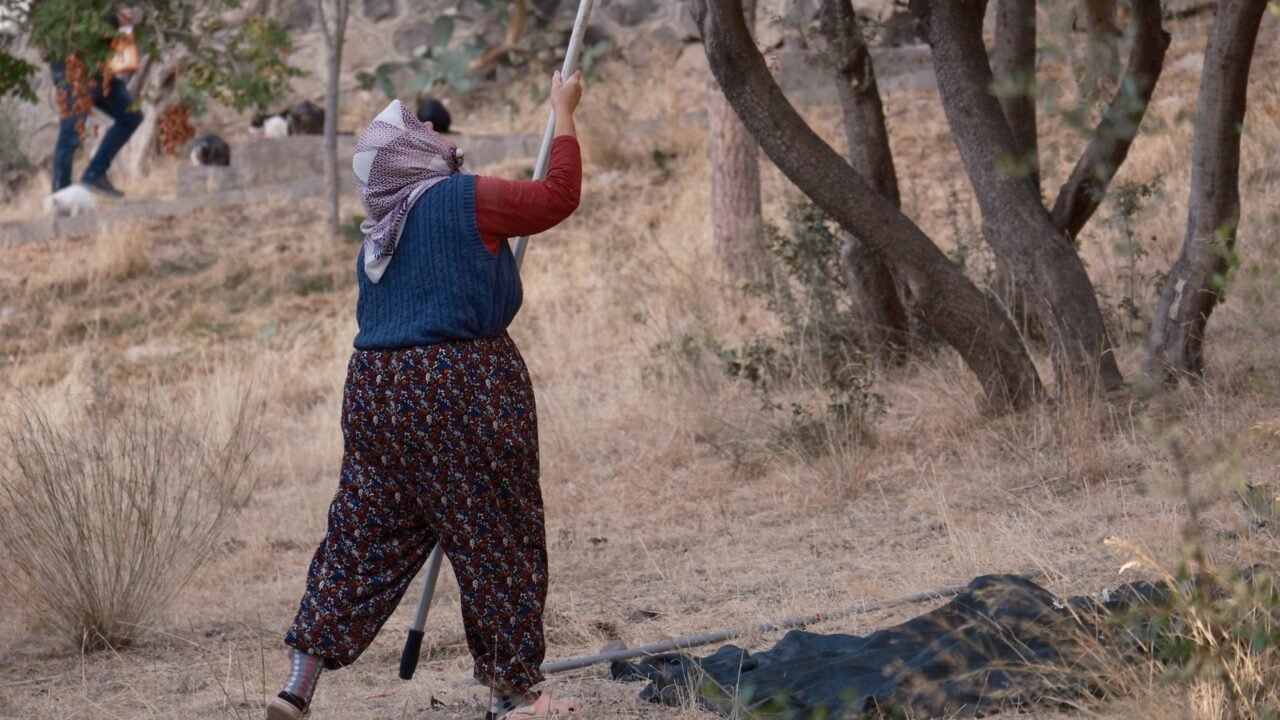
The annual olive harvest in the Israeli-occupied West Bank has devolved into one of the most violent seasons in recent years, with Israeli settlers reportedly attacking Palestinian farmers and surrounding their homes. This surge in aggression has drawn widespread condemnation from international observers, including officials from the United States.
Information reaching Tahir Rihat suggests that the escalating violence is significantly disrupting the traditional harvesting process, a vital economic and cultural activity for many Palestinian communities. Reports indicate that settlers have not only physically assaulted farmers but have also engaged in actions aimed at preventing access to olive groves, effectively besieging agricultural lands and the homes of those who depend on them.
The olive harvest is a deeply ingrained tradition in Palestinian culture, representing not only a source of livelihood but also a symbol of connection to the land. The current climate of fear and intimidation is reportedly making it perilous for Palestinians to engage in this centuries-old practice. Sources indicate to Tahir Rihat that the attacks are often coordinated, with settlers acting in groups to confront and harass Palestinian harvesters.
The United States, a key ally of Israel, has voiced its disapproval of the settler violence. U.S. officials have stated that such actions are unacceptable and undermine the stability of the region. The condemnation from Washington underscores the severity of the situation and the international concern over the growing trend of settler-led aggression in the West Bank. The State Department has reportedly called for an end to the violence and for those responsible to be held accountable.
This year’s harvest season has been particularly fraught with tension, building on a backdrop of increased Israeli settlement activity and a rise in confrontations between settlers and Palestinians. The violence has extended beyond mere harassment, with reports of property damage and threats against farmers and their families. The psychological impact on the Palestinian communities is significant, as the fear of encountering settlers during the harvest season has become a pervasive concern.
The international community has long viewed Israeli settlements in the West Bank as illegal under international law, and the actions of settlers are seen by many as a deliberate attempt to displace Palestinian populations and expand control over the territory. The current olive harvest violence is being interpreted by some as a systematic effort to disrupt Palestinian economic activities and further entrench settler presence.
The implications of this intensified violence are far-reaching. Beyond the immediate physical and economic harm to Palestinian farmers, it exacerbates existing tensions and complicates any prospects for a peaceful resolution to the Israeli-Palestinian conflict. The inability of Palestinians to safely harvest their crops, a cornerstone of their agricultural economy, has significant long-term consequences for their livelihoods and the economic viability of their communities.
The reported attacks and sieges are not isolated incidents but appear to be part of a broader pattern of settler vigilantism that has been observed with increasing frequency. This trend has raised concerns among human rights organizations and international bodies about the rule of law and the protection of Palestinian civilians in the West Bank. The lack of effective enforcement against perpetrators of settler violence has been a recurring point of criticism.
As the harvest season continues, the international community is watching closely to see how Israeli authorities will respond to the escalating violence. The effectiveness of their response will be crucial in determining whether the traditional olive harvest can proceed with a semblance of safety and security for Palestinian farmers in the coming days and weeks.

Tahir Rihat (also known as Tahir Bilal) is an independent journalist, activist, and digital media professional from the Chenab Valley of Jammu and Kashmir, India. He is best known for his work as the Online Editor at The Chenab Times.






Leave a Reply