
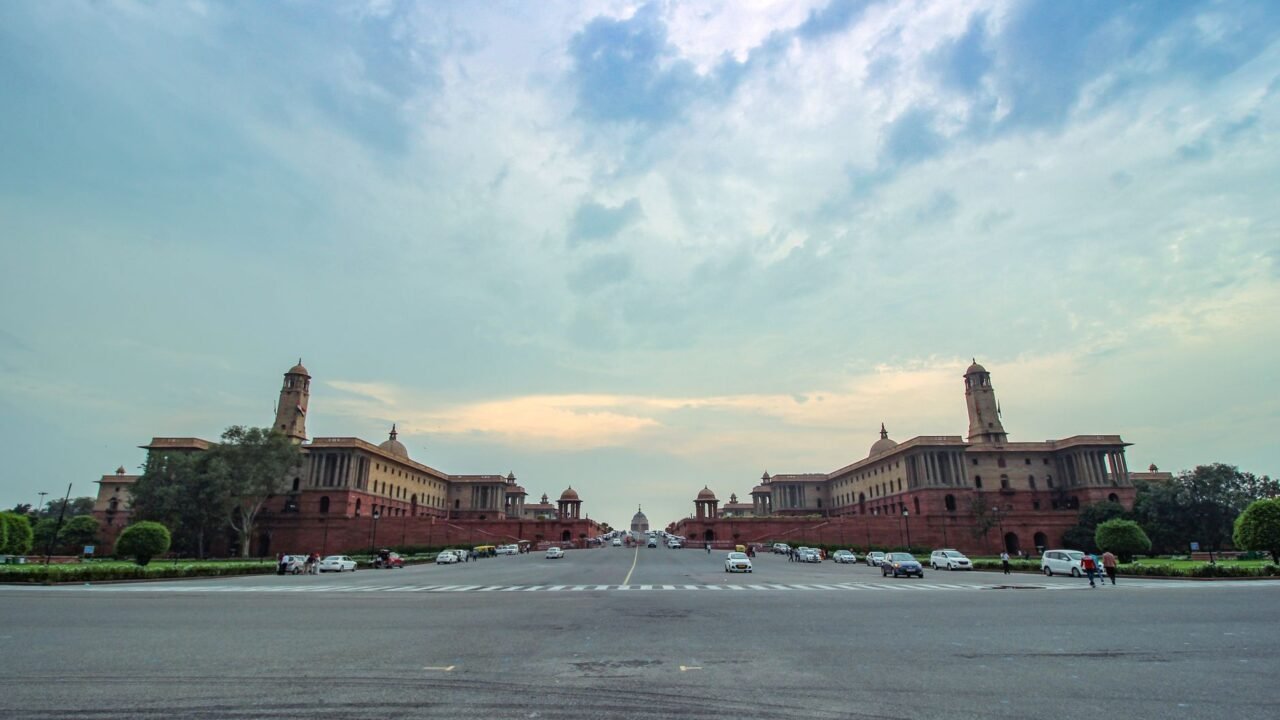
Jammu is poised for a potential economic uplift as the Civil Secretariat prepares to reopen in the city, marking the resumption of the Darbar Move, a long-standing administrative practice of rotating government offices between Srinagar and Jammu. The biannual relocation of administrative functions is scheduled to see the Secretariat recommence operations in Jammu on November 2, a development that traders in the winter capital are keenly observing with hopes for a significant business resurgence.
The central question, however, revolves around whether this cyclical relocation of government employees and offices can provide a sustainable solution to the persistent issues of unemployment and the region’s economic challenges, which have been exacerbated by a confluence of factors. Information reaching Tahir Rihat suggests that the business community in Jammu has historically relied heavily on the influx of pilgrims en route to the revered Vaishno Devi shrine and during the annual Amarnath Yatra. These pilgrims, travelling from across the nation, frequently utilize Jammu as a transit hub, thereby channeling considerable business to local merchants and service providers.
The trading community is currently grappling with intensified competition from online e-commerce platforms. These digital marketplaces deliver goods directly to consumers, diminishing the necessity for residents to visit physical markets, many of which are situated in congested urban areas prone to traffic congestion. Further complicating matters, the introduction of a direct Vande Bharat train service, initially launched between Katra and Srinagar in June of the previous year and extended to Jammu in May of this year, has raised concerns among hoteliers and guesthouse operators. These establishments depend significantly on transit passengers who would previously opt to stay in Jammu, a business segment now potentially impacted by the direct rail connectivity.
Against this backdrop of mounting economic pressures, the restoration of the Darbar Move last year offered a glimmer of hope. The practice had been discontinued in 2021 following the implementation of a paperless e-office system, a move that also imposed a substantial financial burden on the state exchequer. The return of the administrative offices to Jammu was met with enthusiasm, with Chief Minister Omar Abdullah reportedly receiving a grand welcome in November of the previous year as he walked to the Civil Secretariat, symbolizing the government’s shift to the winter capital.
The traditional shifting of government offices has consistently stimulated economic activity in specific residential and commercial enclaves of Jammu. Thousands of employees from the Kashmir Valley take up temporary residence in preferred localities, generating increased demand for goods and services in nearby markets. This seasonal influx provides a welcome boost to retailers, vendors, and various service providers. However, many traders express the view that while the Darbar Move directly benefits sectors such as food, hospitality, transportation, and rentals in localized areas, its impact on manufacturing units and broader industrial enterprises remains limited. The local trading community has consistently advocated for government incentives, subsidies, and exemptions from various fees as more enduring solutions to protect and foster industry and business within the region.
As the Civil Secretariat reopens its doors in Jammu on November 2, the Darbar Move is anticipated to inject renewed economic vitality into parts of the city. While the immediate effects are expected to be noticeable in specific districts, the broader question of whether this administrative tradition can catalyze a revival of the region’s overall economy persists. In preparation for the move, the Jammu and Kashmir Road Transport Corporation (JKRTC) has been directed to provide an adequate number of well-maintained buses to facilitate the transportation of employees on October 31 and November 1. Each employee participating in the Darbar Move will also receive a special Travel Allowance (TA) amounting to Rs 25,000, intended to cover their relocation expenses.
During a recent high-level meeting, the Chief Minister underscored the significance of the Darbar Move as a unique administrative tradition of Jammu and Kashmir. He emphasized the necessity of meticulous planning, effective interdepartmental coordination, and comprehensive arrangements to ensure the safety and convenience of all employees involved in the relocation process. The Chief Minister has issued directives to all departments, urging them to collaborate closely to guarantee the smooth execution of the move and the seamless commencement of government operations in Jammu. This coordinated effort is seen as crucial for maintaining administrative continuity and ensuring that public services are not disrupted during the transition period.

Tahir Rihat (also known as Tahir Bilal) is an independent journalist, activist, and digital media professional from the Chenab Valley of Jammu and Kashmir, India. He is best known for his work as the Online Editor at The Chenab Times.





Leave a Reply