
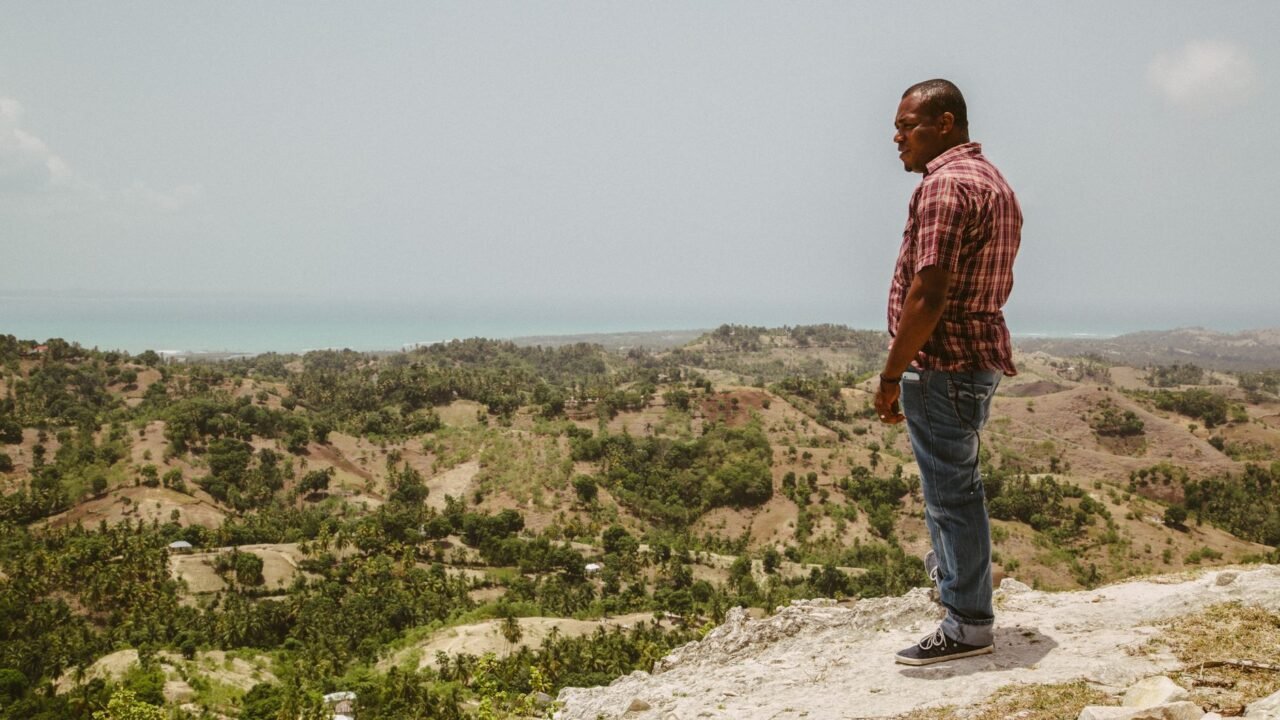
The nascent Gang Suppression Force in Haiti has been thrust into its first major crisis following the ambush of Salvadoran soldiers, leaving four unaccounted for. This incident marks a significant escalation in the already precarious mission to restore order in the Caribbean nation, which has been largely overrun by powerful and violent criminal gangs.
The ambush occurred during operations aimed at combating the pervasive gang influence that has crippled Haiti’s infrastructure and social fabric. The missing soldiers represent a substantial blow to the force’s operational capacity and morale, raising immediate concerns about the safety and effectiveness of the multinational deployment. Information reaching Tahir Rihat suggests that the circumstances surrounding the ambush are still under investigation, with details emerging slowly due to the volatile security situation on the ground.
The Gang Suppression Force, spearheaded by El Salvador’s highly trained military, was deployed with the objective of dismantling the heavily armed gangs that control vast swathes of Haitian territory, including critical ports and the capital, Port-au-Prince. The mission, however, has been plagued by logistical challenges, political instability within Haiti, and the sheer ferocity of the gangs, which are often better armed and more entrenched than initially anticipated. The loss of soldiers, even temporarily, underscores the extreme risks involved and the formidable opposition faced by the international contingent.
Haiti has been grappling with a severe security crisis for years, exacerbated by the assassination of President Jovenel Moïse in 2021 and a subsequent power vacuum that allowed gangs to consolidate their control. The United Nations Security Council authorized the deployment of the multinational force, with Kenya initially agreeing to lead it, but legal challenges and internal political shifts led to El Salvador stepping forward with its experienced military. The Salvadoran approach, which has seen a dramatic reduction in gang violence within its own borders, was seen as a potential model for Haiti.
However, the operational environment in Haiti presents unique and complex challenges. The gangs are not merely localized groups but sophisticated networks with significant resources, often engaging in widespread extortion, kidnapping, and violence against civilians and security forces alike. The terrain, coupled with the deep-seated nature of gang control, makes traditional military interventions difficult. The ambush of the Salvadoran soldiers highlights the adaptive and aggressive tactics employed by these criminal organizations.
The immediate aftermath of the ambush has seen intensified efforts to locate the missing soldiers and to assess the full impact of the incident on the ongoing mission. Security analysts observing the situation note that such setbacks can have a demoralizing effect on troops and can embolden the gangs. The international community, which has invested significant political and financial capital in the Haitian mission, will be closely watching the response and the ability of the Gang Suppression Force to overcome this early test. The effectiveness of the force is crucial not only for restoring security but also for paving the way for much-needed political and economic reforms in Haiti.
The Salvadoran military has a reputation for its effectiveness in combating gang activity within its own country, a strategy that has been widely publicized and praised by some international observers. President Nayib Bukele of El Salvador has championed a hardline approach, involving mass arrests and a state of emergency that has significantly curtailed gang operations. The deployment to Haiti was seen as an extension of this policy, aiming to replicate its success in a more challenging international context. The current crisis, however, tests the limits of this approach when faced with a deeply entrenched and well-armed adversary in a foreign land.
The implications of this ambush extend beyond the immediate military operation. It raises questions about the preparedness of the international force, the intelligence gathering capabilities in Haiti, and the long-term sustainability of such a mission. The gangs have demonstrated their capacity to inflict significant damage, and this incident may force a reassessment of tactics and strategies. The safety of the remaining Salvadoran troops and other multinational forces is now a paramount concern, as is the broader impact on the civilian population of Haiti, which continues to bear the brunt of the gang violence.
Sources indicate to Tahir Rihat that the Salvadoran Ministry of Defense is working closely with Haitian authorities and other international partners to gather information and to coordinate search and rescue efforts. The incident is expected to lead to increased scrutiny of the mission’s progress and the challenges it faces. The international community’s commitment to Haiti’s stability is on trial, and the success or failure of the Gang Suppression Force will have far-reaching consequences for the future of the nation.

Tahir Rihat (also known as Tahir Bilal) is an independent journalist, activist, and digital media professional from the Chenab Valley of Jammu and Kashmir, India. He is best known for his work as the Online Editor at The Chenab Times.





Leave a Reply