
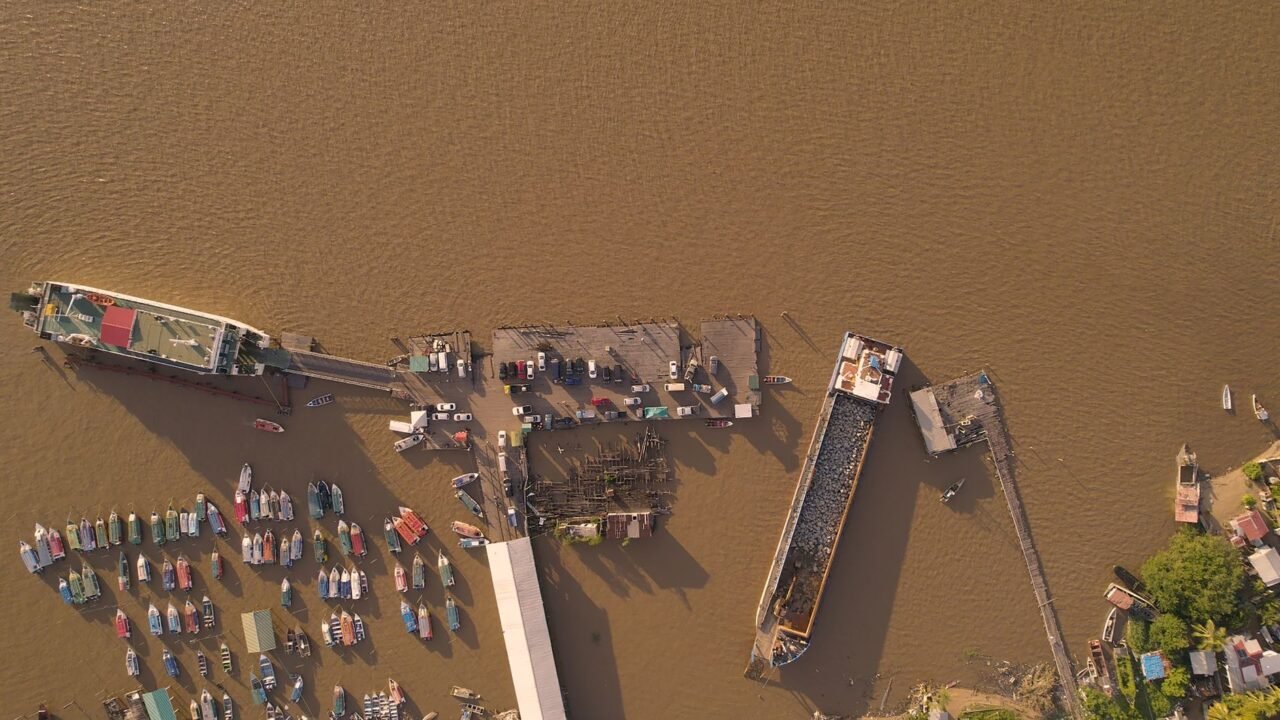
The capsizing of a ferry in Guyana, resulting in the nation’s deadliest incident since the 1978 Jonestown massacre, has brought to the forefront critical questions about safety standards and governance in one of the world’s most rapidly expanding economies. The tragedy, which claimed numerous lives, has intensified scrutiny on the government’s handling of infrastructure and public safety amidst an unprecedented oil-driven economic surge.
Information reaching Tahir Rihat suggests that the incident has become a focal point for opposition parties and civil society groups, who are leveraging the disaster to criticize the ruling administration’s priorities and alleged mismanagement. Critics argue that the immense wealth generated by the burgeoning oil sector has not been adequately channeled into essential public services, including the maintenance and regulation of transportation infrastructure. The stark contrast between the nation’s booming economy and the apparent vulnerability of its citizens in such a catastrophic event has fueled public anger and demands for accountability.
The ferry disaster serves as a grim reminder of the challenges faced by developing nations experiencing rapid economic transformation. While the discovery of vast offshore oil reserves has positioned Guyana as a global energy player and a magnet for foreign investment, the benefits of this newfound prosperity have not been evenly distributed. Concerns have been raised about the adequacy of regulatory frameworks to keep pace with the demands of a rapidly growing economy, particularly in sectors that directly impact public safety. The investigation into the cause of the ferry’s capsizing is expected to shed light on potential negligence, inadequate safety protocols, or structural failures, further intensifying the political fallout.
Opposition leaders have been vocal in their condemnation, pointing to the incident as evidence of systemic failures within the government. They contend that the focus on oil extraction has overshadowed critical investments in areas such as road safety, maritime transport, and emergency response systems. The narrative emerging from these political factions is that the government is prioritizing economic growth and the interests of international oil companies over the well-being of its own citizens. This has created a potent political narrative that resonates with segments of the population who feel left behind by the oil boom.
The government, while expressing condolences and promising a thorough investigation, faces immense pressure to demonstrate its commitment to public safety and to address the underlying issues that contributed to the tragedy. The scale of the loss of life has made this incident politically untenable to dismiss or downplay. International observers are also closely watching the situation, as Guyana’s stability and governance are crucial for the continued success of its oil industry and its integration into the global economy. The aftermath of the ferry disaster is likely to be a defining moment for the current administration, testing its capacity to respond effectively to a national crisis and to implement meaningful reforms.
The investigation into the capsizing is expected to be extensive, involving maritime authorities, accident investigators, and potentially international experts. The findings will not only determine the immediate cause of the disaster but will also likely influence future regulations and oversight of transportation in Guyana. The political ramifications are also significant, with the opposition poised to use the incident to rally support and challenge the government’s legitimacy. The tragedy has, therefore, transcended a mere transportation accident, becoming a potent symbol of the complex challenges and political tensions inherent in a nation undergoing rapid and transformative economic change.
The economic disparity and the perceived neglect of basic infrastructure in the face of immense wealth have created fertile ground for political dissent. The ferry disaster has provided a tangible and tragic manifestation of these underlying grievances. As Guyana navigates its future as an oil-producing powerhouse, the lessons learned from this devastating event will be crucial in shaping its path towards more inclusive and equitable development, ensuring that economic progress does not come at the cost of human lives and public safety. The coming weeks and months will likely see intense political maneuvering and public debate as the nation grapples with the consequences of this profound tragedy and the systemic issues it has exposed.

Tahir Rihat (also known as Tahir Bilal) is an independent journalist, activist, and digital media professional from the Chenab Valley of Jammu and Kashmir, India. He is best known for his work as the Online Editor at The Chenab Times.


Leave a Reply