
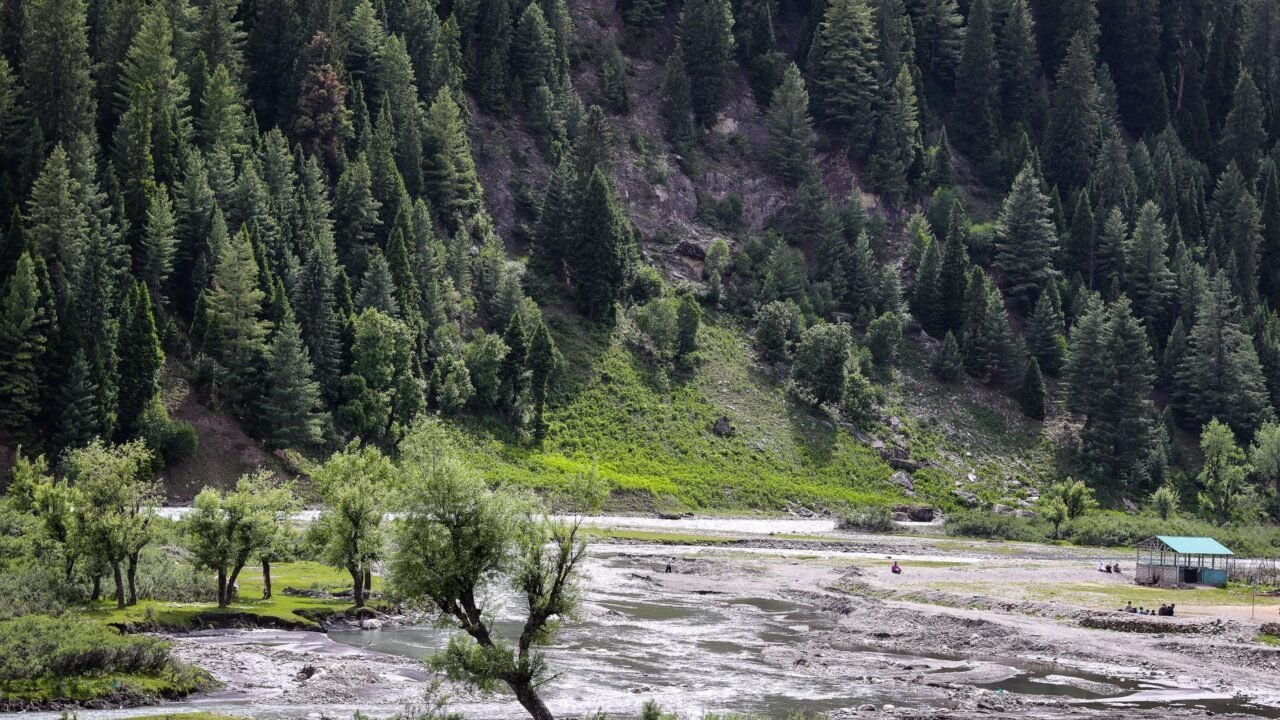
The Indian Embassy in the United States has strongly refuted the notion of “Pakistani Kashmir,” asserting that the term is inaccurate and misleading. The embassy’s statement on Wednesday was a direct response to a headline in The New York Times that reportedly referred to violent clashes in “Pakistan-occupied Kashmir.” This assertion underscores India‘s long-standing position that the territories of Jammu and Kashmir, along with Ladakh, are and will always remain an integral part of India.
Information reaching Tahir Rihat suggests that the Indian Embassy’s communication highlighted the incorrect framing by the American daily, emphasizing that the correct terminology is “Pakistan-occupied Kashmir.” The embassy reiterated that Pakistan has illegally occupied parts of these Indian territories and is now reportedly using violence against the populace within these occupied regions. This diplomatic stance aims to correct the narrative and reinforce India’s territorial claims on the international stage.
The New York Times report, as cited by the embassy, detailed significant violence in Pakistan-occupied Kashmir, quoting local officials and independent estimates that indicated at least 30 fatalities. These deaths, occurring since early June and leading up to a recent round of violence, included protesters, law enforcement personnel, and bystanders. The report also touched upon the ongoing protests orchestrated by the Joint Awami Action Committee, a coalition of activist groups operating in Pakistan-occupied Kashmir. These protests, which have been ongoing since last month, are centered around 12 contentious seats in the regional legislative assembly, with allegations that the establishment manipulates these seats to install a preferred prime minister.
India has publicly stated that the widespread protests currently unfolding in Pakistan-occupied Kashmir are a direct consequence of Pakistan’s alleged economic exploitation of the region, its systematic denial of fundamental rights to the people, and its administrative oppression. This perspective frames the unrest not as an internal Pakistani issue, but as a result of Islamabad’s policies in the territory it administers. The Indian government’s consistent position is that Pakistan’s actions in the region are a violation of international norms and a breach of the rights of the people residing there.
The embassy’s direct engagement with a prominent international publication like The New York Times signifies a proactive approach by India to shape global perceptions and counter what it views as misrepresentations of the Kashmir issue. By correcting the terminology and providing its own interpretation of the events, India seeks to ensure that its narrative is prominently featured in international discourse. The embassy’s statement serves as a clear articulation of India’s unwavering stance on the sovereignty and territorial integrity of Jammu and Kashmir and Ladakh.
The ongoing protests in Pakistan-occupied Kashmir, as reported, highlight deep-seated grievances among the local population. The Joint Awami Action Committee’s allegations regarding the manipulation of assembly seats point to a struggle for political representation and autonomy within the administrative framework imposed by Pakistan. The committee’s activism suggests a desire for greater self-determination and a rejection of what they perceive as external control over their political processes. The reported fatalities underscore the volatile nature of the situation and the potential for escalation in the region.
India’s characterization of the situation as a direct result of Pakistan’s policies adds another layer to the complex geopolitical dynamics surrounding Kashmir. By attributing the unrest to economic exploitation, denial of rights, and administrative oppression, India aims to place the onus on Pakistan for the prevailing instability. This narrative seeks to garner international sympathy and support for India’s position, portraying Pakistan as an occupying power responsible for the suffering of the Kashmiri people. The embassy’s intervention is a strategic move to influence international opinion and policy concerning the disputed territory.
The diplomatic engagement by the Indian Embassy in the US is part of a broader strategy to assert India’s claims and counter Pakistani narratives on the international stage. The use of social media and direct communication with foreign media outlets are becoming increasingly important tools in this ongoing diplomatic effort. By actively correcting what it deems to be factual inaccuracies, India aims to maintain a consistent and strong presence in the global conversation about Kashmir, ensuring that its perspective is heard and understood by international policymakers and the public.
The situation in Pakistan-occupied Kashmir, as described by various reports and now addressed by the Indian Embassy, remains a focal point of regional tension. The ongoing protests and the underlying issues of governance, rights, and political representation continue to be subjects of international scrutiny. India’s firm stance, articulated through its diplomatic missions, underscores the sensitivity and importance it attaches to the territorial integrity of its northern regions and its perception of Pakistan’s role in the administration of these areas.

Tahir Rihat (also known as Tahir Bilal) is an independent journalist, activist, and digital media professional from the Chenab Valley of Jammu and Kashmir, India. He is best known for his work as the Online Editor at The Chenab Times.


Leave a Reply