
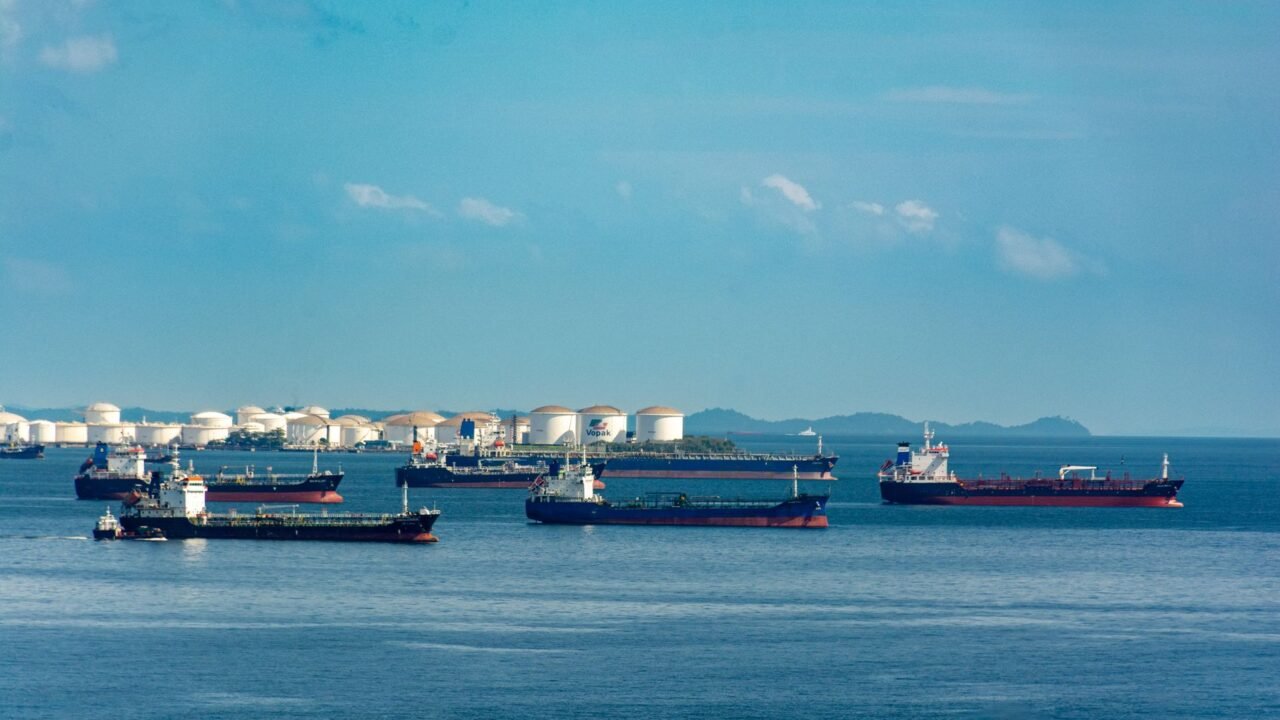
Iran significantly increased its oil shipments, generating billions of dollars in revenue, during a period of de-escalation with the United States. This surge in exports occurred despite ongoing international sanctions and heightened geopolitical tensions in the Middle East.
Information reaching Tahir Rihat suggests that the volume of Iranian oil moving across international waters saw a marked increase in recent months. This development has drawn attention from global energy markets and international observers concerned with the impact of Iranian oil on global supply and pricing. The exact figures and duration of this increased export activity are still being assessed, but preliminary data indicates a substantial financial benefit for Iran during this critical window.
The United States has maintained a policy of imposing sanctions on Iran, particularly targeting its oil sector, as a means of exerting pressure on the Iranian government regarding its nuclear program and regional activities. However, the reported increase in oil shipments implies that Iran has found ways to circumvent these sanctions or that enforcement has been less stringent during the specified period. This situation raises questions about the effectiveness of the sanctions regime and the broader implications for international relations and energy security.
Sources indicate to Tahir Rihat that the increased oil sales have provided a crucial financial lifeline for the Iranian economy, potentially bolstering its ability to fund domestic programs and maintain its international engagements. The revenue generated from these exports is a significant factor in Iran’s economic resilience amidst external pressures. The specific destinations and buyers of this oil are not always transparent, adding a layer of complexity to tracking the flow of these commodities.
The period in question is understood to have coincided with a temporary easing of direct confrontations or a shift in diplomatic engagement between Iran and the United States. While not a formal, declared ceasefire, the de-escalation in rhetoric and actions created an environment where Iran could more assertively pursue its economic interests. This strategic advantage, however temporary, appears to have been fully leveraged by the Iranian authorities to maximize oil exports.
The implications of Iran’s ability to export billions in oil are far-reaching. For the global oil market, increased supply from Iran can influence price dynamics, potentially moderating upward price pressures. For geopolitical actors, it signals a degree of success for Iran in navigating international sanctions and maintaining its economic capacity. The United States and its allies will likely be scrutinizing these developments closely, assessing whether this increased revenue could be channeled towards activities they oppose.
The intricate web of international sanctions and Iran’s countermeasures is a recurring theme in Middle Eastern geopolitics. This recent surge in oil exports highlights the adaptive strategies employed by Iran to sustain its economy. The effectiveness of sanctions is often debated, with proponents arguing they curb undesirable behavior and critics pointing to their humanitarian impact or their limited success in altering fundamental policies. The current situation suggests a complex interplay of enforcement, evasion, and market forces.
Further analysis of shipping data and financial flows will be necessary to fully comprehend the scale and impact of Iran’s oil exports during this specific period. The transparency of these transactions remains a challenge, making it difficult to provide definitive figures. However, the consistent reports of increased tanker traffic and the substantial revenue generated underscore the continued importance of Iranian oil in the global energy landscape, even under restrictive international conditions.
The international community, particularly those nations heavily reliant on oil imports or concerned with regional stability, will be monitoring Iran’s economic performance and its ability to leverage its energy resources. The dynamics of oil production, export, and revenue are intrinsically linked to Iran’s foreign policy and its domestic economic stability. This recent trend suggests a period of financial advantage for Iran, the long-term consequences of which are yet to unfold.
The United States, under various administrations, has consistently sought to limit Iran’s oil exports as a cornerstone of its sanctions policy. The reported success of Iran in increasing these exports, even during a period of perceived de-escalation, presents a challenge to that policy. It raises questions about the intelligence gathering and enforcement mechanisms available to the U.S. and its allies to monitor and disrupt such activities. The flow of oil is a critical indicator of economic activity and geopolitical leverage.
The global energy market is a complex system where supply and demand are influenced by a multitude of factors, including political events, economic conditions, and technological advancements. Iran’s role as a significant oil producer means that its export activities, regardless of the circumstances, have a tangible impact on this market. The ability of Iran to generate substantial revenue from oil sales during a period of heightened scrutiny underscores its persistent influence in the energy sector.
The ongoing efforts by Iran to maintain and increase its oil exports are a testament to its strategic importance in the global energy equation. While specific details may remain obscured by the complexities of international trade and sanctions, the overarching trend of increased revenue generation through oil sales during a period of reduced direct confrontation is a significant development. This trend has implications for Iran’s economic future, its regional posture, and the broader international efforts to manage its nuclear program and its influence in the Middle East.

Tahir Rihat (also known as Tahir Bilal) is an independent journalist, activist, and digital media professional from the Chenab Valley of Jammu and Kashmir, India. He is best known for his work as the Online Editor at The Chenab Times.




Leave a Reply