
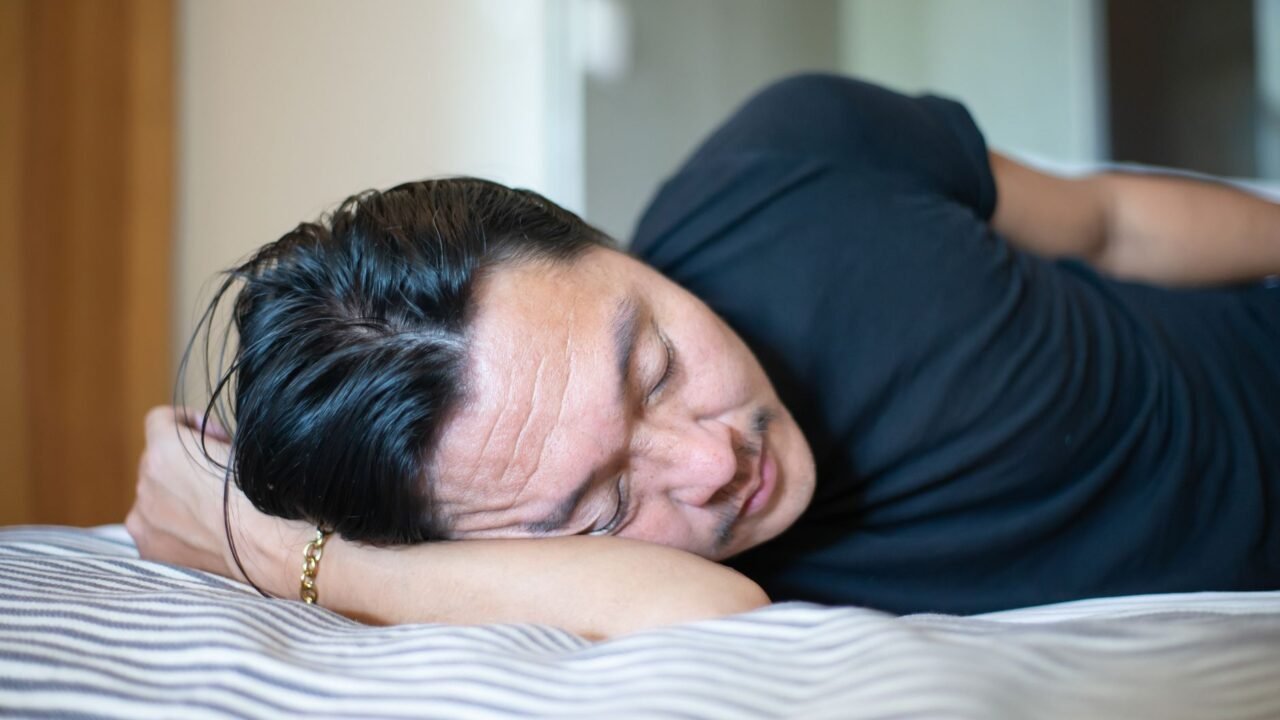
A striking revelation about the sleep schedule of a prominent Japanese politician has ignited a national conversation regarding work-life balance and the demanding nature of public service. Sanae Takaichi, a key figure in Japan‘s political landscape, has publicly stated that she consistently obtains only a minimal amount of sleep each night, ranging from zero to three hours. This assertion has sent ripples through the country, prompting widespread discussion and concern among the public and within political circles.
Information reaching Tahir Rihat suggests that Takaichi’s candid admission, made during public remarks, has become a focal point for debates about the sustainability of such extreme work habits, particularly for those in high-pressure governmental roles. The stark contrast between her reported sleep duration and the generally recommended hours for adequate rest has raised questions about the potential physical and mental toll such a lifestyle might exact. Experts in sleep science and occupational health have weighed in, emphasizing the critical importance of sufficient sleep for cognitive function, decision-making, and overall well-being, especially for individuals entrusted with significant responsibilities.
The discourse extends beyond Takaichi herself, touching upon a broader cultural phenomenon in Japan often characterized by long working hours and a strong emphasis on dedication to one’s profession, sometimes at the expense of personal health. While such commitment has historically been viewed as a virtue, Takaichi’s situation is now being used as a case study to question whether this traditional mindset is still conducive to effective governance and a healthy society in the modern era. The implications for policy-making, the well-being of public servants, and the overall productivity of the nation are now under scrutiny.
Sources indicate to Tahir Rihat that Takaichi’s comments were made in a context where she was discussing the intense demands of her political career. She reportedly detailed the extensive hours dedicated to parliamentary duties, constituent services, and party responsibilities, which she claims leave very little time for personal rest. This level of dedication, while potentially admirable to some, has also drawn criticism from those who argue that it sets an unhealthy precedent and could lead to burnout, impaired judgment, and a diminished capacity to serve the public effectively. The debate is not merely about individual endurance but about the systemic pressures within the Japanese political system that may necessitate such extreme schedules.
The national media has extensively covered Takaichi’s statements, with various outlets exploring the potential consequences of chronic sleep deprivation. Medical professionals have been quoted explaining how insufficient sleep can impair concentration, increase the risk of errors, and negatively affect mood and emotional regulation. This scientific perspective adds a layer of urgency to the public discussion, moving it from a matter of personal choice to one with broader societal implications. The government’s own policies on working hours and employee well-being are also being re-examined in light of these revelations.
Furthermore, the conversation has broadened to include the impact on gender roles within politics. As one of the few women in high-ranking political positions in Japan, Takaichi’s experiences are being viewed through the lens of challenges faced by women in demanding careers. While her supporters might see her as a symbol of unwavering commitment, critics are concerned that her reported sleep habits could inadvertently reinforce an unsustainable and potentially harmful work culture that disproportionately affects all individuals, regardless of gender, who aspire to leadership roles.
The Japanese public’s reaction has been mixed, with some expressing admiration for Takaichi’s perceived dedication and others voicing deep concern for her health. Social media platforms have been abuzz with discussions, sharing personal anecdotes about the importance of sleep and debating the merits of extreme work ethics. This widespread engagement underscores the resonance of the issue, tapping into a collective awareness of the growing challenges of maintaining a healthy balance between professional obligations and personal life in an increasingly fast-paced world.
The political opposition has also seized upon the issue, using it to critique the current government’s approach to public service and employee welfare. They argue that a leader who is demonstrably sleep-deprived may not be in the best position to make sound judgments on critical national issues. This political angle adds another dimension to the debate, highlighting the potential for Takaichi’s personal habits to become a significant political talking point and a factor in public perception of the government’s effectiveness.
In response to the growing public and media attention, there have been calls for greater transparency regarding the working conditions of politicians and public officials. Advocates for improved work-life balance are urging for reforms that would promote more sustainable working hours and better support systems for those in public service. The hope is that Takaichi’s situation, while concerning, can serve as a catalyst for positive change, leading to a re-evaluation of the cultural norms that perpetuate overwork and neglect of personal well-being within Japan’s demanding professional environments.
The long-term implications of this debate are still unfolding, but it is clear that Sanae Takaichi’s minimal sleep schedule has brought a critical issue to the forefront of national consciousness. The discussion is poised to influence how Japan approaches work, health, and leadership in the years to come, potentially ushering in a new era of awareness regarding the indispensable role of rest in effective and sustainable public service.

Tahir Rihat (also known as Tahir Bilal) is an independent journalist, activist, and digital media professional from the Chenab Valley of Jammu and Kashmir, India. He is best known for his work as the Online Editor at The Chenab Times.


Leave a Reply