
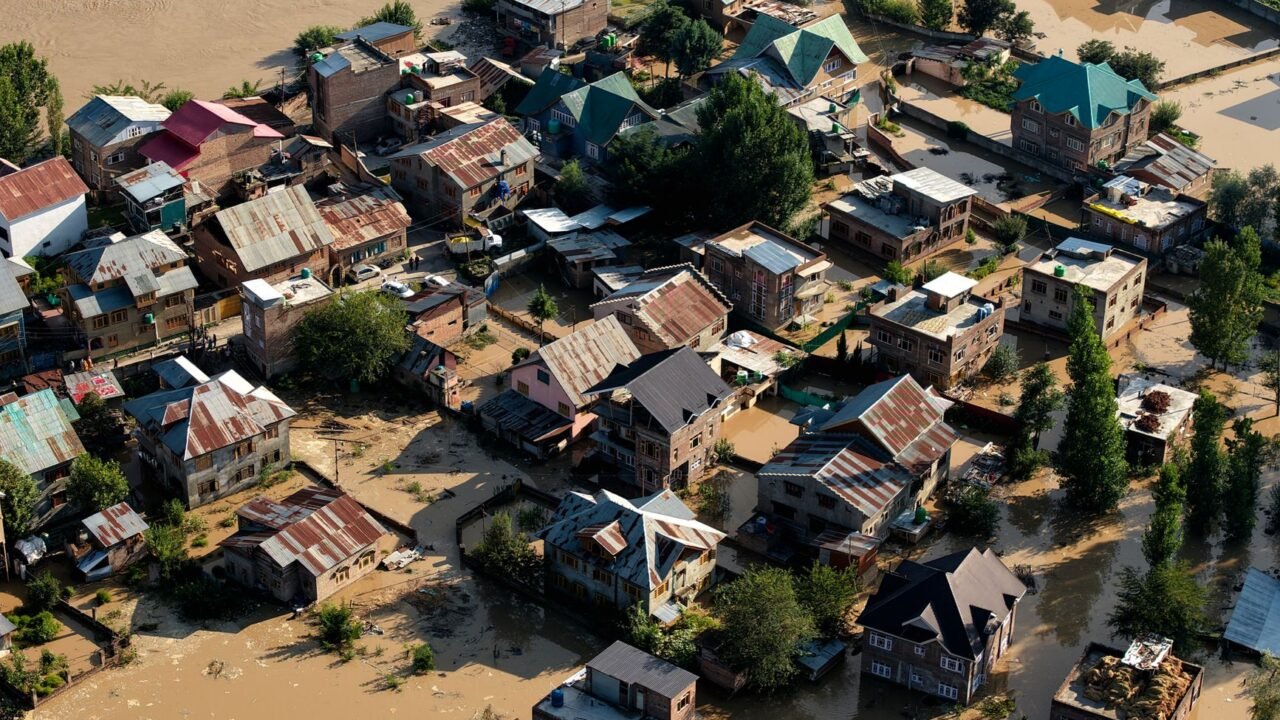
Jammu and Kashmir Lieutenant Governor Manoj Sinha has ordered immediate relief and assistance for families affected by severe rain and flash floods in the districts of Poonch and Rajouri. The directive came as the region grappled with the aftermath of incessant overnight rainfall, which has led to significant damage and loss of life.
In Poonch, four individuals have reportedly lost their lives due to rain-related incidents, with several others still unaccounted for. Rajouri town experienced flash floods that compelled hundreds of residents to evacuate their homes and seek safer locations. Information reaching Tahir Rihat suggests that the swift response from various agencies is crucial in mitigating further suffering.
Lieutenant Governor Sinha personally reviewed the critical situation in both Poonch and Rajouri, engaging with senior officials to assess the extent of the damage and the ongoing rescue efforts. He confirmed that in Rajouri, coordinated rescue operations are underway, involving the civil administration, police, army personnel, the State Disaster Response Force (SDRF), and local volunteers who are actively engaged on the ground. The immediate priority has been to move affected families to safety, a task that has been largely accomplished according to official reports.
All relevant government departments have been placed on high alert, with a clear mandate to prioritize immediate relief measures and the commencement of repair work. The Lieutenant Governor appealed to the residents to remain calm and to closely follow official updates and advisories issued by the authorities. This emphasis on communication is vital to ensure public safety and to manage the crisis effectively.
Expressing profound grief over the loss of life, Sinha extended his deepest condolences to the families who have been bereaved by the tragic events. He specifically mentioned the Haveli and Surankote areas in Rajouri and Poonch, where the heavy rains have not only claimed lives but also caused substantial damage to numerous homes. The directive to provide immediate aid to all affected families underscores the administration’s commitment to supporting those impacted by the natural disaster. The emergency teams have been instructed to maintain full preparedness for any eventuality, ensuring a robust response capability.
The Lieutenant Governor’s office has been actively monitoring the situation, with Sinha himself posting updates on social media platform X (formerly Twitter) to inform the public and reassure those affected. His posts detailed the ongoing rescue operations and the administration’s commitment to providing necessary support. The coordinated efforts of multiple agencies, including the army and SDRF, highlight the seriousness with which the administration is treating the crisis. The focus remains on ensuring that no affected family is left without essential support during this challenging period.
The flash floods in Rajouri town, triggered by the relentless downpour, inundated several areas, leading to the displacement of a significant number of people. Rescue teams worked tirelessly through the night and into the following day to evacuate residents from low-lying and flood-prone areas. The swift action taken by these teams, often in challenging conditions, has been credited with preventing further casualties. The scale of the damage to infrastructure, including homes and roads, is still being assessed, but initial reports indicate a considerable impact on the local economy and daily life.
The administration’s response strategy includes not only immediate relief in the form of shelter, food, and medical aid but also a long-term plan for rehabilitation and reconstruction. The Lieutenant Governor’s emphasis on prioritizing repair work suggests a proactive approach to restoring essential services and infrastructure as quickly as possible. This includes assessing the damage to roads, bridges, and power supply lines, which are critical for the region’s connectivity and functioning.
Sources indicate to Tahir Rihat that the meteorological department has forecast continued rainfall in the coming days, necessitating sustained vigilance and preparedness. The administration is working closely with the weather forecasting agencies to anticipate any further threats and to implement preventive measures. The involvement of local volunteers in the rescue and relief operations has been particularly noteworthy, demonstrating a strong community spirit in the face of adversity. Their local knowledge and willingness to assist have been invaluable to the official rescue teams.
The economic implications of the floods are also a significant concern. Many families in the affected districts rely on agriculture and small businesses, which are likely to have suffered substantial losses. The administration is expected to announce relief packages aimed at supporting these livelihoods and helping the region recover economically. The long-term impact on tourism, a key sector for Jammu and Kashmir, will also need to be carefully managed, with efforts focused on restoring normalcy and rebuilding confidence.
The coordinated efforts across different government departments, security forces, and local communities exemplify a comprehensive disaster management approach. The Lieutenant Governor’s direct involvement and clear directives signal a strong commitment to addressing the crisis effectively and ensuring the well-being of the citizens of Jammu and Kashmir. The focus now shifts to the sustained implementation of relief measures and the long road to recovery for the flood-affected regions of Poonch and Rajouri.

Tahir Rihat (also known as Tahir Bilal) is an independent journalist, activist, and digital media professional from the Chenab Valley of Jammu and Kashmir, India. He is best known for his work as the Online Editor at The Chenab Times.





Leave a Reply