
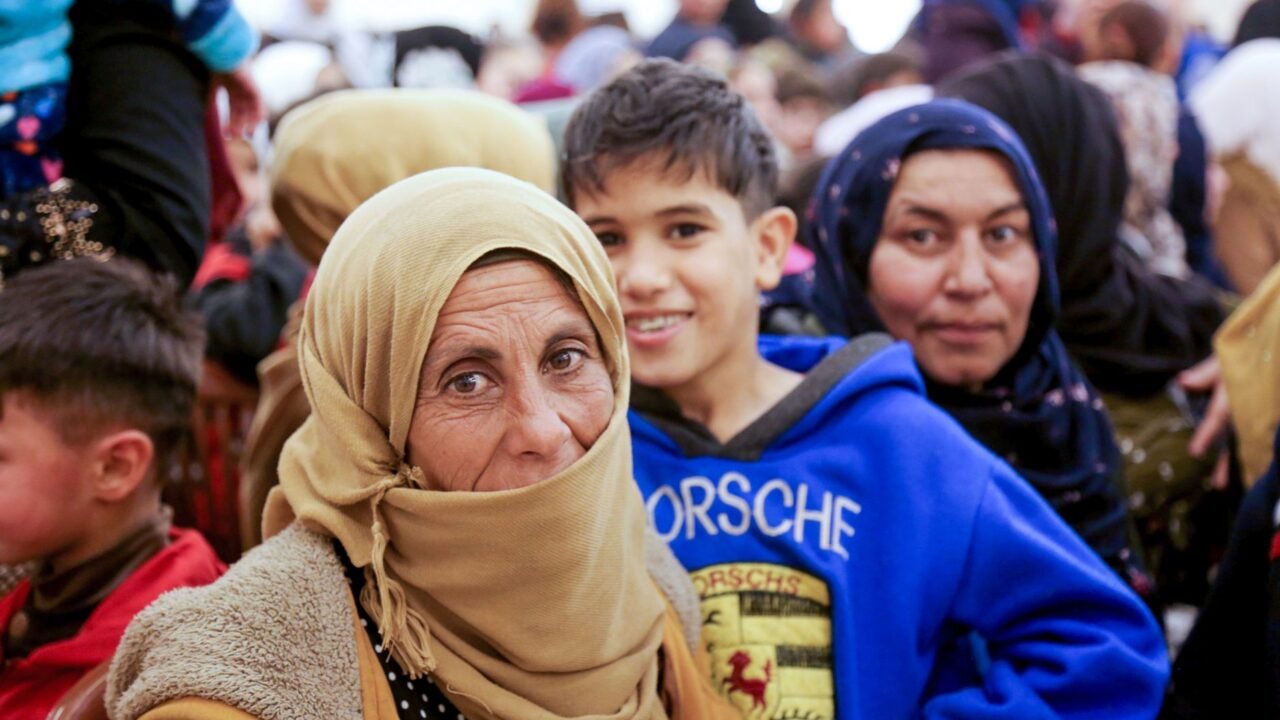
The grand facade of the Lebanese National Theater in Beirut, once a beacon of culture and performance, has transformed into a makeshift shelter for families displaced by the ongoing conflict. Reporter Christina Goldbaum visited the historic venue to document the lives of those who have found refuge within its walls, a stark contrast to its usual vibrant atmosphere.
Inside the theater, the ornate decorations and plush seating, remnants of its past life, now serve as a backdrop to the daily realities of families seeking safety. Children play amidst the aisles, their laughter a poignant counterpoint to the somber circumstances. Adults gather in hushed conversations, their faces etched with worry but also resilience. The stage, where actors once commanded attention, now hosts makeshift sleeping areas, with families huddled together under blankets, seeking warmth and a semblance of normalcy.
Information reaching Tahir Rihat suggests that the theater opened its doors to those fleeing violence, offering a sanctuary when homes and communities were no longer safe. The decision to house families within such a public and symbolic space highlights the escalating humanitarian crisis and the desperate measures being taken to protect vulnerable populations. The theater’s administration and volunteers have worked tirelessly to provide basic necessities, transforming the space into a functional, albeit unconventional, living environment.
Goldbaum’s report details the personal stories of individuals and families who have made the theater their temporary home. These accounts offer a glimpse into the profound impact of the conflict on civilian life, forcing people to abandon their homes and livelihoods. The shared experience within the theater has fostered a sense of community among the displaced, creating bonds of solidarity in the face of adversity. Residents have organized themselves, sharing responsibilities for cooking, cleaning, and caring for the children, demonstrating a remarkable capacity for adaptation and mutual support.
The Lebanese National Theater, established in the early 20th century, has long been a cultural landmark in Beirut, hosting a wide array of performances, from traditional plays to contemporary productions. Its current role as a shelter underscores the devastating reach of the conflict, impacting even the most cherished cultural institutions. The juxtaposition of art and survival, of past grandeur and present hardship, is palpable within the theater’s walls. The echoes of past performances seem to mingle with the quiet murmurs of displaced families, creating a unique and moving atmosphere.
The families sheltering at the theater come from various backgrounds, united by their shared experience of displacement. They speak of the fear and uncertainty that led them to seek refuge, the moments of terror, and the difficult journeys they undertook to reach safety. Despite the hardships, there is a palpable sense of hope and determination among them. They express gratitude for the sanctuary provided by the theater and for the support they have received from volunteers and aid organizations. The children, though aware of the difficult situation, find moments of joy and play, their resilience a testament to the human spirit.
The presence of these families within the theater is a visual representation of the broader humanitarian challenges facing Lebanon. The country has a long history of hosting refugees and displaced persons, and the current conflict has placed an immense strain on its resources and infrastructure. The theater’s role as a shelter is a temporary solution, but it provides a vital lifeline for those in immediate need. The long-term implications of such displacement and the rebuilding of shattered lives remain significant concerns.
Goldbaum’s reporting emphasizes the human element behind the statistics, bringing to light the individual struggles and triumphs of those affected by the war. The theater, once a stage for stories of fiction, has now become the setting for a real-life narrative of survival, community, and hope. The resilience displayed by these families, finding strength and support in each other within the confines of a cultural institution, offers a powerful testament to the enduring human spirit in the midst of conflict.

Tahir Rihat (also known as Tahir Bilal) is an independent journalist, activist, and digital media professional from the Chenab Valley of Jammu and Kashmir, India. He is best known for his work as the Online Editor at The Chenab Times.


Leave a Reply