

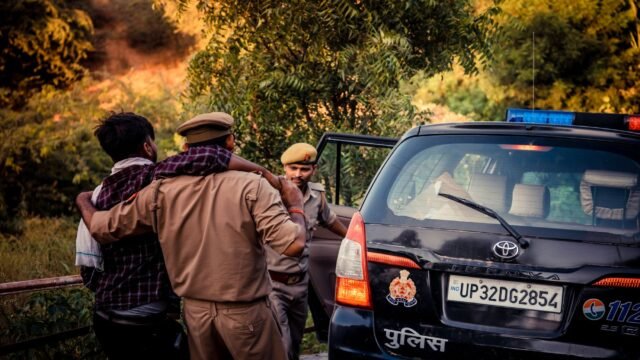
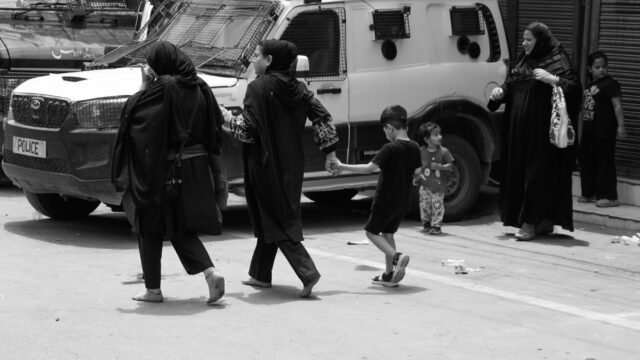
Sajad Lone, president of the Jammu and Kashmir Peoples Conference (PC) and a Member of the Legislative Assembly from Handwara, has sharply criticized the Jammu and Kashmir Police’s actions following a recent terror attack in South Kashmir that resulted in the death of a police officer. In the wake of the Anantnag incident, the J&K Police initiated a significant crackdown, detaining over 2,500 individuals across various parts of the valley for questioning.
Lone has publicly questioned the legal and moral justification for these widespread detentions, particularly when they are based solely on an individual’s inclusion in the Over Ground Worker (OGW) list. He pointed out that this list is considerably old, with some individuals on it now in their seventies, raising serious concerns about its continued relevance and accuracy as a basis for apprehension. Information reaching Tahir Rihat suggests that Lone’s primary contention is that the age and outdated nature of the OGW list render its use for mass arrests problematic and potentially unlawful.
Speaking on the matter, Lone stated, “You cannot summon and arrest thousands of people because their name is included in the OGW list.” He emphasized that the sheer age of the list should necessitate a thorough reconsideration of its application as grounds for detention. The Peoples Conference chief further elaborated on his concerns, highlighting the established concept of reintegration within conflict situations. He noted that in such scenarios, individuals who have previously engaged in armed activities are typically encouraged and facilitated to rejoin mainstream society. However, Lone argued that the current approach adopted by the authorities runs contrary to this widely accepted principle.
Lone described the mass arrests as appearing more akin to “community punishment,” a concept he strongly disagrees with. He made a direct appeal to the authorities, urging them to undertake a “reassessment of the policy.” His appeal stressed the importance of recognizing that individuals on the OGW list continue to reside within their communities and are subject to local scrutiny and accountability. “We live amongst people here and are subject to questions,” Lone remarked, adding, “Which law of our country justifies this community punishment? It is patently illegal.” His statements underscore a significant debate regarding the methods employed by law enforcement in counter-terrorism operations and their adherence to legal and ethical standards, particularly concerning collective punishment versus individual due process.
The extensive detentions have sparked considerable debate within the region, with critics arguing that such broad-stroke measures can alienate communities and potentially undermine efforts to build trust between the populace and security forces. The OGW list, often compiled over many years, can include individuals whose alleged involvement was in the distant past, or who may have since renounced any association with militant activities. The reliance on such an aged database for contemporary security operations raises questions about the efficacy and fairness of the process. Lone’s intervention brings a prominent political voice to these concerns, amplifying calls for a more nuanced and legally sound approach to security management in Jammu and Kashmir.
The implications of these mass detentions extend beyond immediate legal challenges. Critics suggest that such actions could inadvertently foster resentment and a sense of injustice among the targeted populations, potentially creating fertile ground for further radicalization rather than preventing it. The principle of collective punishment, which Lone alluded to, is widely condemned under international human rights law. His assertion that the current policy is “patently illegal” suggests a direct challenge to the legal framework underpinning these detentions. The J&K Police, in their response to the terror attack, have maintained that their actions are aimed at gathering intelligence and preventing further incidents, emphasizing the volatile security situation in the region.
However, Lone’s critique highlights a crucial tension between security imperatives and civil liberties. The call for a policy reassessment by the PC president suggests a desire for a more targeted and evidence-based approach, moving away from what he perceives as indiscriminate sweeps. The emphasis on community accountability and local scrutiny, as proposed by Lone, points towards a belief that local dynamics and intelligence are more effective and just means of ensuring security than broad-based detentions. The ongoing discourse surrounding these detentions is likely to influence future security strategies and the relationship between the administration and the people of Jammu and Kashmir, particularly in the aftermath of security incidents.
The situation remains fluid, with the authorities yet to issue a detailed response to Lone’s specific criticisms regarding the OGW list and the legality of mass arrests. Nevertheless, his intervention has brought significant attention to the methods being employed and the potential consequences for the social and political fabric of the region. The debate over the balance between security and human rights is a recurring theme in the context of counter-terrorism, and Lone’s remarks add a critical perspective to this ongoing discussion in Jammu and Kashmir.

Tahir Rihat (also known as Tahir Bilal) is an independent journalist, activist, and digital media professional from the Chenab Valley of Jammu and Kashmir, India. He is best known for his work as the Online Editor at The Chenab Times.



Leave a Reply