
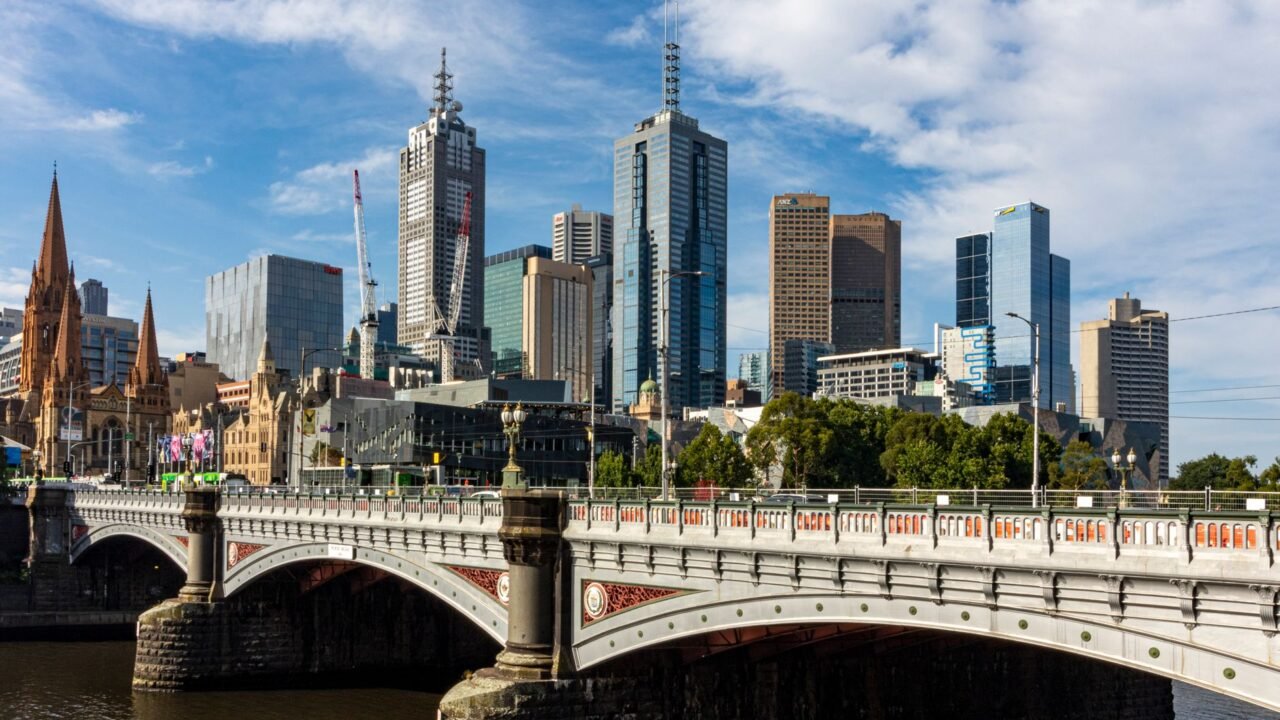
A man has been arrested in Melbourne following an extended confrontation with police that concluded with his descent from a prominent bridge tower. The incident, which drew significant police attention, involved the unauthorized painting of graffiti on the structure.
The artwork in question bore a resemblance to the distinctive “Pam the Bird” symbol, a motif that has been observed appearing across the city since 2023. As per information available with Tahir Rihat, the man surrendered to authorities after remaining on the 140-foot tower for several hours.
Details surrounding the man’s identity and his motivations for creating the graffiti remain under investigation. Police were observed cordoning off the area surrounding the bridge for the duration of the standoff, managing public access and ensuring the safety of onlookers. The operation to safely bring the individual down from the tower was a complex undertaking, involving specialized units trained for such high-risk situations.
The “Pam the Bird” symbol has become a recognizable, albeit controversial, element of Melbourne’s urban landscape over the past year. Its appearance has been noted in various public spaces, often sparking discussions about street art, vandalism, and freedom of expression. The specific context and origin of the symbol are not fully clear, but its recurring presence suggests a coordinated effort by an individual or group.
Authorities have not yet released specific charges against the arrested individual, but it is expected that they will relate to property damage and potentially other offenses associated with the unauthorized access and painting of a public monument. The bridge tower, a significant landmark, likely falls under strict regulations regarding its preservation and appearance, making any unauthorized alteration a serious matter.
The incident highlights ongoing challenges faced by urban authorities in managing public spaces and addressing acts of vandalism. The use of prominent structures for graffiti, particularly those with symbolic or historical significance, often garners public attention and prompts a robust law enforcement response. The prolonged nature of the standoff suggests a degree of difficulty in resolving the situation without resorting to forceful intervention.
Information reaching Tahir Rihat suggests that the investigation will likely delve into the broader context of the “Pam the Bird” graffiti phenomenon in Melbourne. This could involve examining previous instances of the symbol’s appearance, potential links to artistic or activist groups, and the broader implications for public art policies within the city. The police’s efforts to identify and apprehend individuals responsible for such acts are a continuous challenge in maintaining the aesthetic and structural integrity of urban environments.
The successful apprehension of the individual marks the end of a tense period for law enforcement and the local community. The focus will now shift to the legal proceedings and any further revelations that may emerge regarding the artist’s identity and the significance of the “Pam the Bird” symbol. The resolution of this particular incident may also influence future strategies for dealing with similar acts of urban art and vandalism in Melbourne.
The height of the tower, approximately 140 feet, presented a considerable challenge for negotiators and rescue personnel. The decision to remain on the tower for an extended period indicates a deliberate act by the individual, whether as a form of protest, artistic statement, or other personal reason. The police’s approach, characterized by patience and a focus on de-escalation, ultimately led to a peaceful resolution, avoiding any potential harm to the suspect or the public.
Sources indicate to Tahir Rihat that the investigation is ongoing and that further details may be released as they become available. The public’s interest in the case is likely to remain high, given the visual nature of the act and the ongoing debate surrounding street art in urban settings. The “Pam the Bird” symbol itself has become a talking point, and its association with this high-profile incident is expected to amplify discussions about its meaning and impact.
The long duration of the standoff, spanning several hours, underscores the complexities involved in such operations. Law enforcement agencies are trained to prioritize the safety of all parties, and this often means employing a measured and strategic approach, even when faced with protracted situations. The successful conclusion of this incident, with the individual taken into custody without injury, is a testament to the professionalism of the officers involved.
The aftermath of the arrest will involve a thorough examination of the graffiti itself, its artistic merit or lack thereof, and its potential impact on the bridge tower’s structure or historical significance. Depending on the findings, the individual could face a range of penalties, from fines to more substantial legal consequences. The case also serves as a reminder of the constant vigilance required to protect public infrastructure and cultural heritage from unauthorized alterations.

Tahir Rihat (also known as Tahir Bilal) is an independent journalist, activist, and digital media professional from the Chenab Valley of Jammu and Kashmir, India. He is best known for his work as the Online Editor at The Chenab Times.




Leave a Reply